TL;DR:
- Sustainable lawn care in Lubbock focuses on deep watering, aeration, and soil health.
- Xeriscaping and drought-tolerant plants significantly reduce outdoor water use.
- Using native grasses and smart maintenance practices promotes resilient, eco-friendly yards.
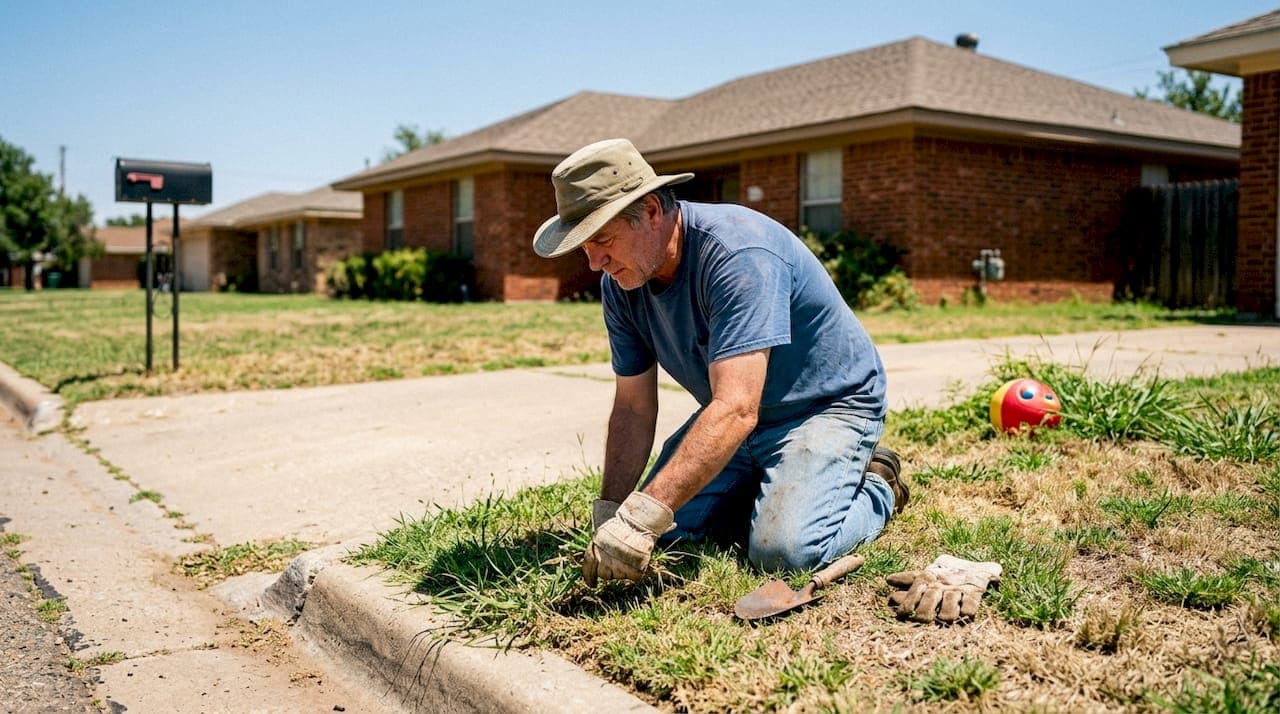
Lubbock's climate is tough on lawns. Scorching summers, unpredictable rainfall, and clay-heavy soils make it genuinely hard to keep a yard looking good without burning through water and chemicals. Traditional lawn care routines built for wetter climates simply don't hold up here. The good news is that sustainable lawn care isn't about sacrificing a nice yard. It's about working smarter with what West Texas actually gives you. This guide walks you through practical, eco-friendly techniques that reduce water use, cut costs, and keep your yard looking its best year-round.
Table of Contents
- Core sustainable lawn care practices for Lubbock
- Xeriscaping and drought-tolerant options
- Smart mowing and fertilization for healthy lawns
- Native grasses and low-maintenance alternatives
- Putting it all together: Sustainable yard planning tips
- Why sustainable isn't just a buzzword for Lubbock lawns
- Expert help for sustainable lawn care in Lubbock
- Frequently asked questions
Key Takeaways
| Point | Details |
|---|---|
| Deep and infrequent watering | Watering less often but more thoroughly develops drought-resistant roots and saves water. |
| Soil-based fertilization | Testing soil before fertilizing ensures healthier lawns and reduces harmful runoff. |
| Native plants and xeriscaping | Switching to drought-tolerant plants and xeriscaping can cut water use by over half. |
| Proper mowing and maintenance | Mowing at recommended heights and regular aeration keep your lawn healthy and eco-friendly. |
| Long-term environmental benefits | Sustainable lawn care supports the local ecosystem and reduces ongoing maintenance costs. |
Core sustainable lawn care practices for Lubbock
Sustainable lawn care starts with a few foundational habits that make everything else easier. These aren't complicated changes. They're small shifts in routine that add up to big savings in water, money, and effort over time.
The most impactful thing you can do is change how you water. Deep, infrequent watering trains grass roots to grow downward instead of staying shallow. Shallow roots dry out fast. Deep roots tap into moisture reserves and bounce back better during dry spells. Water two to three times per week at most, and let the soil dry out between sessions.
Next, aerate your lawn every year. Lubbock's soil compacts easily, especially in high-traffic yards. Compaction stops water and nutrients from reaching roots. Our lawn aeration essentials guide explains how core aeration pulls small plugs of soil out, opening up the ground for better absorption. It's one of the highest-return tasks in sustainable lawn care.
Topdressing with compost after aeration is a natural way to feed your soil without synthetic inputs. Compost improves soil structure, holds moisture, and introduces beneficial microbes. You don't need a lot. A thin quarter-inch layer spread evenly after aeration does the job.
Before you buy any fertilizer, test your soil. Soil testing before fertilizing prevents you from adding nutrients your lawn doesn't need, which can run off into storm drains and cause real environmental harm. A basic soil test costs very little and tells you exactly what your yard is missing.
Finally, consider switching to Integrated Pest Management (IPM). IPM means targeting specific pests with the least harmful method first, rather than spraying chemicals across the whole yard. Our organic lawn care guide covers IPM in detail for Lubbock conditions.
Key sustainable practices at a glance:
- Water deeply two to three times per week, not daily
- Aerate annually to relieve compaction
- Topdress with compost after aeration
- Test soil before applying any fertilizer
- Use IPM to manage pests without blanket chemical treatments
"The foundation of a sustainable lawn is healthy soil. Everything else, from water efficiency to pest resistance, flows from getting the soil right."
Pro Tip: Set a reminder to aerate every fall when Lubbock's heat breaks. Fall aeration gives your lawn the best chance to absorb winter moisture and recover before spring.
Xeriscaping and drought-tolerant options
With sustainable basics covered, next are drought-proofing strategies for the Texas climate. Xeriscaping is the practice of designing your landscape to minimize water needs from the start. It's not about replacing your lawn with gravel and calling it done. It's about choosing plants, grasses, and layout that naturally thrive with less irrigation.
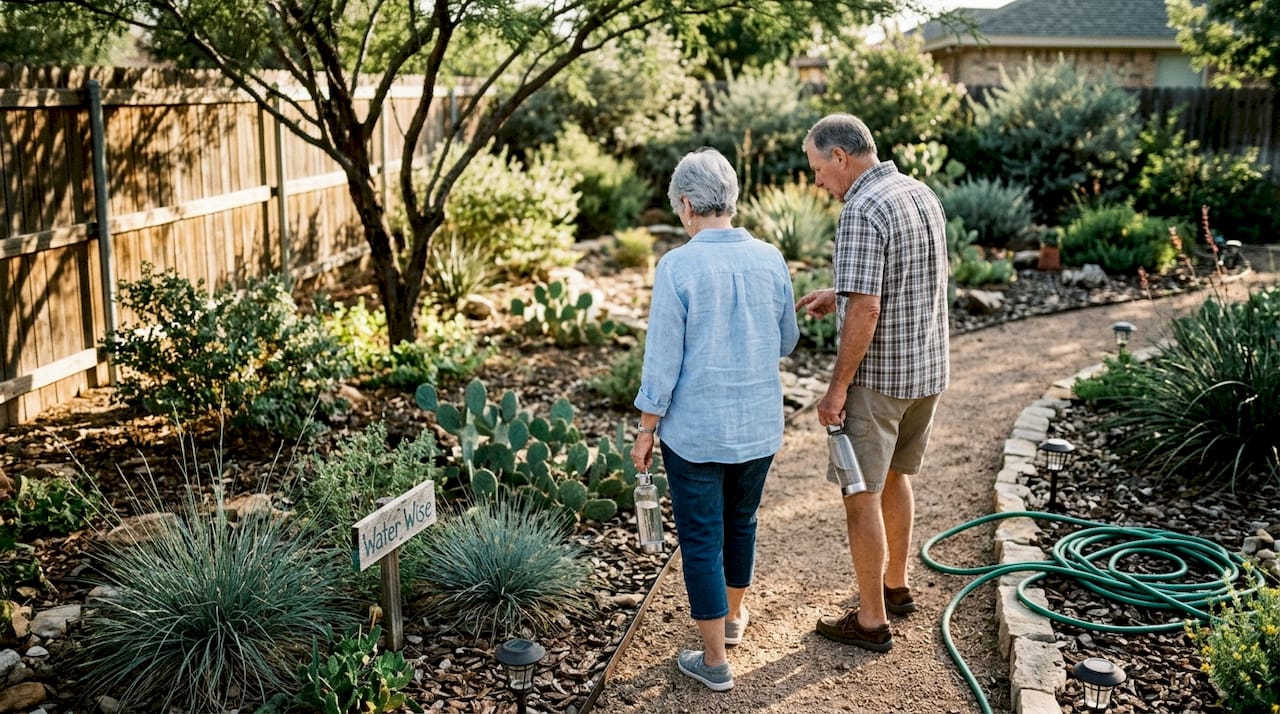
Xeriscaping can reduce water use by 50 to 75 percent compared to traditional lawns. In a city like Lubbock where summer water bills can spike dramatically, that's a meaningful financial benefit on top of the environmental one.
Drought-tolerant grasses and native plants are the backbone of a xeriscaped yard. They've adapted to West Texas conditions over generations and don't need constant intervention to survive.
Drought-tolerant options well-suited for Lubbock:
- Buffalograss: native, very low water needs, slow-growing
- Blue grama grass: handles heat and dry spells naturally
- Texas sage (Leucophyllum): low-water shrub with purple blooms
- Black-eyed Susan: native wildflower, minimal care needed
- Desert willow: small tree with showy flowers, drought-hardy
Mulching is another powerful tool. A 2 to 3 inch layer of organic mulch around plant beds and tree bases slows evaporation, keeps soil cooler, and suppresses weeds. It also breaks down slowly, feeding the soil over time.
Drip irrigation takes water efficiency even further. Instead of spraying water into the air where it evaporates, drip systems deliver moisture directly to the root zone. Combined with xeriscaping, drip irrigation can dramatically cut your outdoor water use.
| Method | Water savings | Upfront effort |
|---|---|---|
| Traditional sprinklers | Baseline | Low |
| Mulching | 20-30% | Low |
| Drought-tolerant plants | 30-50% | Medium |
| Drip irrigation | 30-50% | Medium |
| Full xeriscaping | 50-75% | High |
Key stat: Switching even part of your lawn to xeriscaping principles can cut your outdoor water use nearly in half, which matters a lot during Lubbock's dry summers.
Smart mowing and fertilization for healthy lawns
Once your landscape is low-water, the next key is maintaining turf with smarter mowing and feeding techniques. How you mow and fertilize has a bigger impact on lawn health than most homeowners realize.
Mowing height is the first thing to get right. Bermuda grass mowing heights between 0.5 and 1.5 inches optimize health and water efficiency for warm-season grasses common in Lubbock. Cutting too short stresses the grass and invites weeds. Leaving it too long can trap moisture and promote disease.
Eco-friendly mowing and fertilization steps:
- Identify your grass type before setting mower height
- Never cut more than one-third of the blade in a single mow
- Mow in the early morning or evening to reduce heat stress
- Leave clippings on the lawn to return nitrogen naturally
- Test soil before applying any fertilizer
- Choose slow-release fertilizers to feed gradually and reduce runoff
- Avoid fertilizing before heavy rain to prevent nutrient washoff
Slow-release fertilizers are a game-changer for sustainability. They break down gradually, feeding the lawn over weeks instead of delivering a spike that the grass can't fully absorb. Our fertilizing best practices guide and lawn fertilization guide both explain how to time applications for maximum effect and minimum waste.
| Grass type | Mow height | Fertilize schedule |
|---|---|---|
| Bermuda | 0.5-1.5 in | April to August |
| Buffalograss | 2-4 in | Once in late spring |
| St. Augustine | 2.5-4 in | April to September |
| Zoysia | 1-2 in | May to August |
Pro Tip: Grasscycling, leaving mowed clippings on your lawn, can reduce your fertilizer needs by up to 25 percent. It's free, fast, and genuinely effective.
Native grasses and low-maintenance alternatives
Now let's look at the turf varieties that thrive with less water or effort. Native grasses are built for Lubbock's conditions. They don't fight the climate. They work with it.
Buffalograss is the standout option for West Texas homeowners who want a real lawn with minimal input. Buffalograss requires 50 to 75 percent less irrigation than cool-season grasses like Kentucky bluegrass and grows more slowly, which means fewer mowing sessions and less fuel or electricity used.
Compared to Kentucky bluegrass, Buffalograss wins on nearly every sustainability metric. It needs no dethatching, tolerates drought without dying, and handles Lubbock's freeze-thaw cycles better than most alternatives.
Buffalograss advantages for Lubbock homeowners:
- Native to the southern Great Plains, naturally adapted
- Needs watering only during extended dry spells
- Grows 4 to 6 inches tall naturally, reducing mow frequency
- Stays green spring through fall, goes dormant in winter
- Supports local pollinators and soil health
One honest trade-off: sustainable lawns may brown during extreme drought. That's not failure. That's dormancy, a survival mechanism that lets the grass bounce back once conditions improve. A brown Buffalograss lawn in August is not a dead lawn. It's a smart one.
For homeowners who want the look of traditional turf but with less work, check out our lawn care essentials breakdown of what realistic eco-friendly maintenance looks like week to week.
"Choosing the right grass from the start is the single biggest decision in sustainable lawn care. Everything else is maintenance."
Pro Tip: If you're transitioning from Bermuda to Buffalograss, do it in late spring when soil temperatures are above 60°F. This gives the new grass the best establishment window before summer heat arrives.
Putting it all together: Sustainable yard planning tips
Equipped with these strategies, here's how Lubbock homeowners can take action and build sustainability into yard care routines. The key is not doing everything at once. Prioritize the changes that match your yard's current condition and your budget.
Annual core aeration, IPM, smart fertilizing, and drought adaptation are all components of a sustainable Lubbock lawn. Think of them as a system, not a checklist to rush through.
Step-by-step sustainable yard plan:
- Walk your yard and note problem areas: bare patches, compaction, poor drainage
- Get a soil test before spending anything on fertilizer or amendments
- Schedule aeration for fall and mark it on your calendar now
- Map out where mulch or drought-tolerant plants could replace high-water zones
- Set your irrigation controller to water deeply two to three times per week
- Plan one native plant addition per season to gradually shift your landscape
- Review your mowing height and adjust based on your grass type
Our seasonal lawn clean-up guide pairs well with this planning process. It breaks down what to do each season so nothing gets missed.
Pro Tip: Take photos of your yard every month. After a full year of sustainable practices, the before-and-after comparison will show you exactly what's working and motivate you to keep going.
Why sustainable isn't just a buzzword for Lubbock lawns
Here's an honest take that most lawn care articles skip: sustainable lawn care does ask something of you. During a severe Lubbock drought, a native grass lawn may not look as lush as your neighbor's chemically maintained Bermuda. That's real, and it's worth acknowledging.
But traditional lush lawns require high water and chemical inputs that cost more, stress local water supplies, and create runoff problems. The trade-off isn't "sustainable lawn" versus "beautiful lawn." It's "beautiful now at high cost" versus "resilient and beautiful over time at lower cost."
We've seen Lubbock homeowners make this shift and come out ahead. Lower water bills. Less weekend labor. Yards that recover faster after dry spells. The importance of consistent lawn maintenance doesn't go away with sustainable practices. It just changes shape. You spend less time fighting your lawn and more time enjoying it.
Sustainability in Lubbock isn't about settling for less. It's about making choices that match the climate you actually live in, not the one you wish you had.
Expert help for sustainable lawn care in Lubbock
Making the switch to eco-friendly lawn care is easier when you have a local team who knows Lubbock's soil, climate, and grass types firsthand. Whether you're starting from scratch or fine-tuning an existing yard, professional guidance cuts the learning curve significantly.

At Only Mow, we offer Lubbock lawn care services built around what actually works in West Texas, from seasonal maintenance to full yard assessments. As the official vendor for the City of Lubbock, we bring proven local experience to every job. If you're a landscaping professional looking to grow your client base, you can also find a landscaper network to connect with. Ready to build a yard that works with the Texas climate? We're here to help you get there.
Frequently asked questions
What are the best grasses for sustainable lawns in Lubbock?
Buffalograss and native warm-season grasses are the top choices, as Buffalograss needs 50 to 75 percent less irrigation than Kentucky bluegrass and requires far less maintenance overall.
How often should I water my Lubbock lawn sustainably?
Deep, infrequent watering two to three times per week encourages deeper root growth and builds drought tolerance, which is far more effective than light daily watering.
Does xeriscaping really save water in West Texas?
Absolutely. Xeriscaping reduces water use by 50 to 75 percent compared to traditional grass lawns, making it one of the highest-impact changes a Lubbock homeowner can make.
Is compost topdressing useful for all Lubbock lawns?
Yes. Compost topdressing improves moisture retention in all soil types and adds beneficial nutrients naturally, making it a smart move for nearly every Lubbock yard regardless of grass type.
What's the biggest mistake to avoid with sustainable lawn care?
Applying fertilizer without a soil test first. Soil testing before adding inputs prevents unnecessary runoff and stops you from wasting money on nutrients your lawn doesn't actually need.