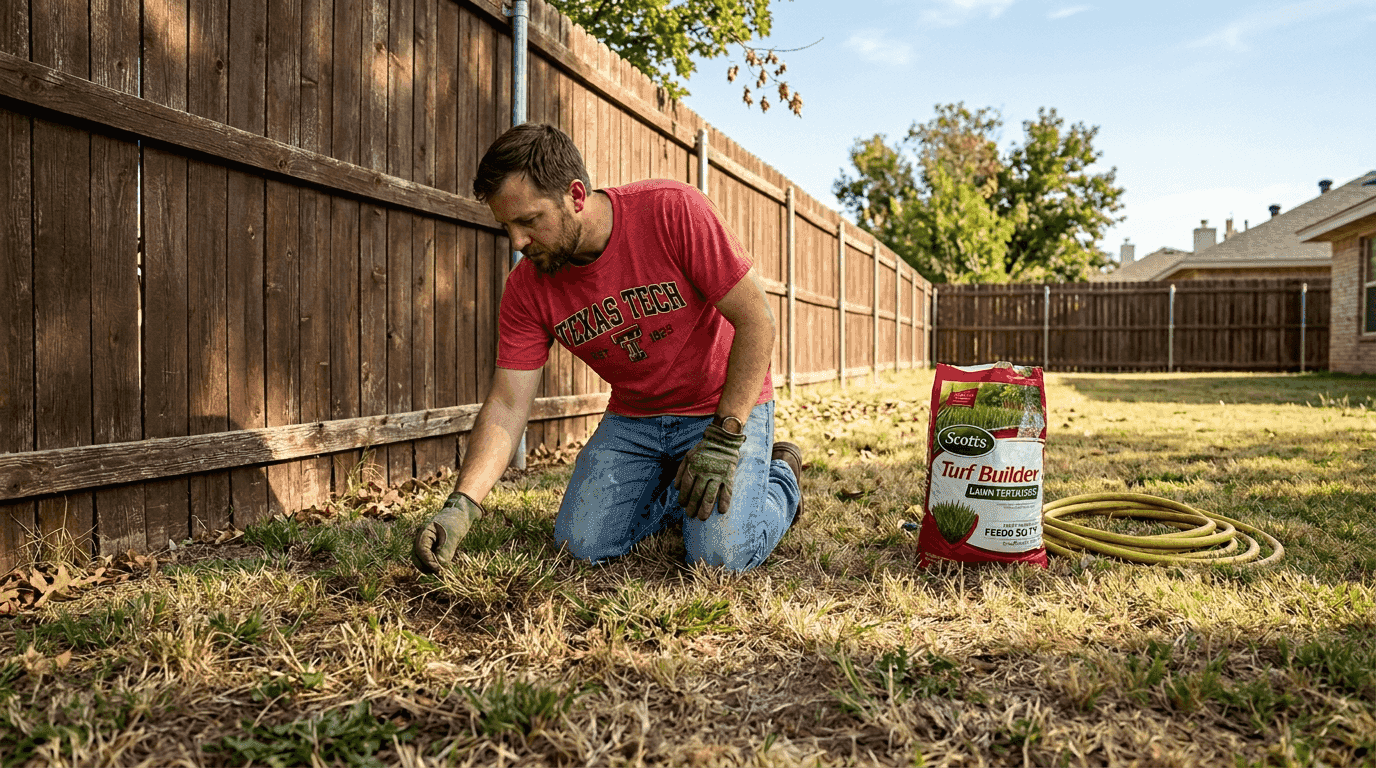
Lubbock homeowners face unique lawn care challenges every spring due to caliche soils and an arid climate that test even the hardiest grasses. These alkaline, compacted soils limit nutrient availability and root growth, making traditional lawn care approaches less effective. This guide delivers practical, expert-backed strategies tailored specifically to Lubbock's conditions, covering grass selection, aeration, fertilization, mowing, and weed control. You'll learn how to work with your soil rather than against it, creating a healthier lawn that thrives through summer heat while requiring less water and maintenance than you might expect.
Table of Contents
- Criteria for effective spring lawn care in Lubbock
- Best grass species for Lubbock lawns in spring
- Essential spring lawn care practices: aeration, fertilization, and mowing
- Weed control strategies for spring lawns in Lubbock
- Enhance your spring lawn care with expert help from Only Mow
- FAQ
Key takeaways
| Point | Details |
|---|---|
| Choose drought-tolerant grasses | Buffalograss and bermudagrass thrive in Lubbock's alkaline soils and require minimal irrigation once established. |
| Aerate early spring | Core aeration breaks up compacted caliche, improving root penetration and nutrient absorption before active growth begins. |
| Apply preemergent herbicides | Timing applications before soil temperatures reach 55°F prevents grassbur establishment and reduces weed pressure all season. |
| Mow at proper heights | Buffalograss performs best at 2-3 inches while bermudagrass needs 1-2 inches to maintain density and suppress weeds. |
| Use slow-release fertilizers | Controlled-release formulas reduce nutrient leaching in sandy soils and provide consistent feeding through the growing season. |
Criteria for effective spring lawn care in Lubbock
Understanding your soil sets the foundation for every lawn care decision you make. Caliche soils have high pH levels between 7.5 and 9.0, which locks up essential nutrients like iron and phosphorus that grass roots cannot access. This alkalinity also creates a cement-like hardpan layer that blocks water infiltration and root expansion, forcing you to rethink standard lawn care practices.
Selecting the right grass species becomes your first critical decision. Drought-tolerant varieties like buffalograss and bermudagrass have evolved to handle alkaline conditions and limited moisture, making them ideal for Lubbock yards. These warm-season grasses enter active growth when soil temperatures consistently exceed 65°F, typically in late April or early May in our region.
Irrigation strategy matters more than frequency. Deep, infrequent watering encourages roots to grow downward through compacted layers rather than spreading horizontally near the surface. Your goal is to apply about one inch of water weekly, including rainfall, delivered in one or two sessions rather than daily sprinkling. This approach builds drought resistance and reduces water waste.
Fertilization timing aligns with grass biology, not the calendar. Apply your first feeding when you see new green growth emerging, usually mid to late April. Choose formulas designed for alkaline soils that include chelated micronutrients, which remain available to plants even at high pH levels. Your Lubbock lawn care checklist should prioritize soil testing every two to three years to track pH changes and nutrient levels.
Pro Tip: Test your soil in early March before applying any amendments, giving you time to adjust pH or add sulfur if needed before active growth begins.
Key criteria for spring success include:
- Soil pH between 6.5 and 7.5 for optimal nutrient availability
- Drainage that moves water through the root zone within 24 hours
- Grass species matched to your sun exposure and traffic patterns
- Irrigation system that delivers water uniformly across the entire lawn
Evaluating these factors before you start spring maintenance prevents wasted effort on practices that won't work in Lubbock's unique environment. The Texas A&M AgriLife Extension provides free soil testing services and region-specific recommendations that account for our alkaline conditions and limited rainfall.
Best grass species for Lubbock lawns in spring
Buffalograss stands out as the most water-efficient option for Lubbock homeowners willing to accept a lower-maintenance aesthetic. This native prairie grass spreads by stolons from late May through early September, creating a dense turf that naturally suppresses weeds once established. It enters dormancy earlier than bermudagrass, typically browning by mid-October, but requires only 12 to 15 inches of water annually compared to bermudagrass's 24 to 30 inches.
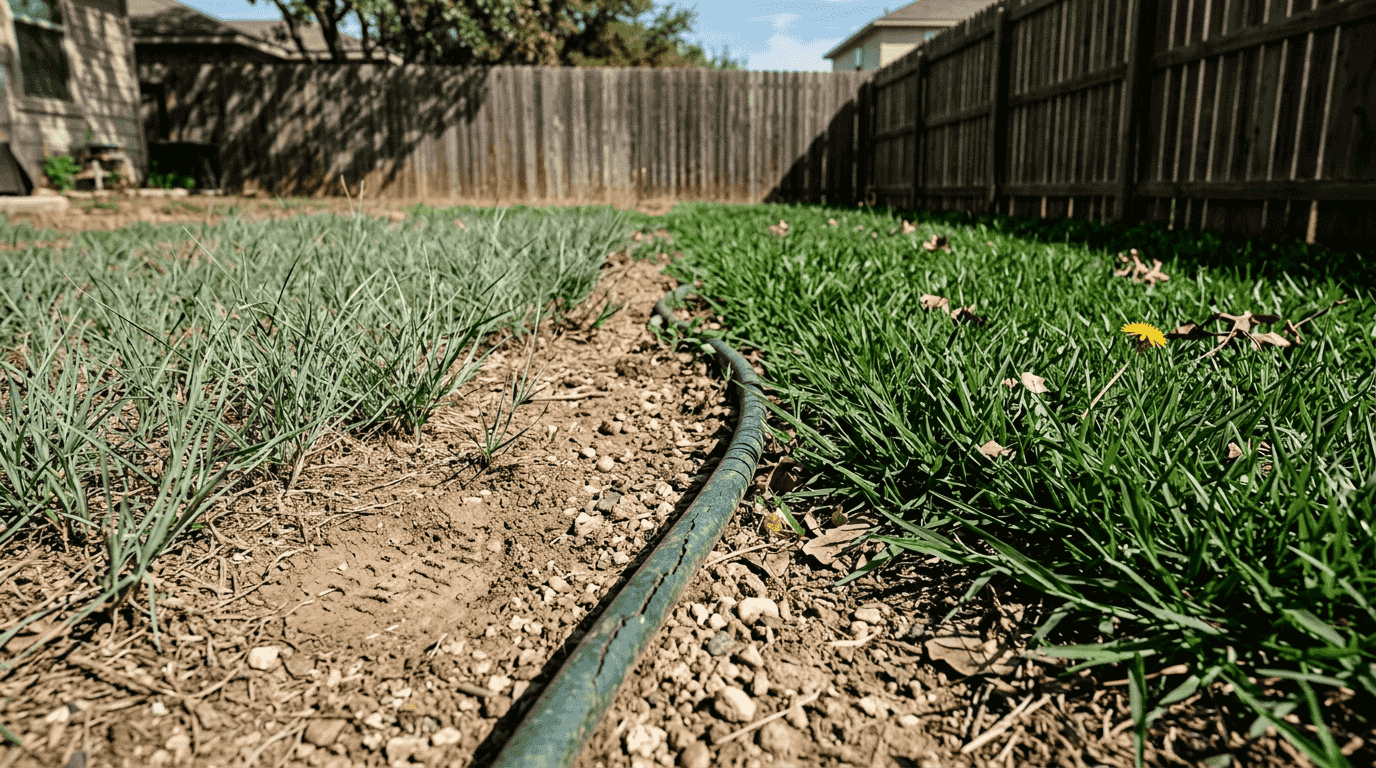
Newer buffalograss varieties need less irrigation and mowing, with some cultivars like 'Prestige' and 'Legacy' maintaining acceptable color on just one deep watering per month during summer. These improved varieties also tolerate moderate shade better than older selections, though they still perform best with six or more hours of direct sunlight daily. Mowing frequency drops to once every two to three weeks during peak growth, saving you time and fuel costs.
Bermudagrass delivers the classic dense, dark green lawn appearance that many homeowners prefer, but it demands more intensive management. This aggressive spreader fills in bare spots quickly and tolerates heavy foot traffic, making it ideal for families with children or pets. It thrives in Lubbock's alkaline soils and handles our summer heat without stress, but you'll need to mow weekly during active growth and water more frequently than buffalograss.
Choosing between these species depends on your priorities and available time. The table below compares key characteristics to guide your decision:
| Characteristic | Buffalograss | Bermudagrass |
|---|---|---|
| Annual water needs | 12-15 inches | 24-30 inches |
| Mowing frequency | Every 2-3 weeks | Weekly |
| Traffic tolerance | Moderate | High |
| Shade tolerance | Poor to moderate | Poor |
| Active growth period | Late May to early September | April to October |
| Dormancy color | Tan to brown | Brown |
Both species require full sun exposure and well-drained soil to perform optimally. If your yard has significant shade from trees or structures, consider alternative groundcovers or hardscaping in those areas rather than fighting against grass biology. Choosing lawn services in Lubbock that understand these species differences ensures you get appropriate care recommendations rather than generic advice.
Establishment timing affects long-term success regardless of which grass you select. Plant buffalograss plugs or sod in late April through June when soil temperatures stay above 60°F. Bermudagrass tolerates earlier planting, starting in mid-April, and establishes faster than buffalograss. Both species need consistent moisture during the first four to six weeks after planting, then you can gradually reduce frequency while increasing depth.
Essential spring lawn care practices: aeration, fertilization, and mowing
Core aeration in early spring improves root growth by creating channels through compacted caliche that allow water, air, and nutrients to reach deeper soil layers. This mechanical process removes soil plugs two to three inches deep, breaking up the hardpan that restricts root expansion in Lubbock yards. Schedule aeration for late March or early April before grasses enter active growth but after soil has thawed and dried enough to prevent muddy conditions.
Follow these steps for effective aeration:
- Water your lawn thoroughly two days before aerating to soften soil without creating mud
- Mark sprinkler heads, shallow utility lines, and other obstacles with flags
- Make two passes over the entire lawn in perpendicular directions for complete coverage
- Leave soil plugs on the surface to decompose naturally and return organic matter to the turf
- Apply fertilizer within 48 hours while channels remain open for maximum nutrient penetration
Fertilization strategy starts with product selection matched to Lubbock's alkaline soils. Slow-release fertilizers reduce nutrient leaching and provide consistent feeding over eight to twelve weeks, eliminating the need for monthly applications. Choose formulas with a 3:1:2 or 4:1:2 nitrogen-phosphorus-potassium ratio that includes sulfur to help lower soil pH gradually. Apply at rates recommended by soil test results rather than bag instructions, which often exceed actual needs.
Timing your first application when grass greens up prevents nitrogen waste and reduces early-season weed competition. For buffalograss, this typically occurs in mid to late May. Bermudagrass greens up earlier, usually by late April, allowing you to fertilize three to four weeks sooner. Split your annual nitrogen budget into two or three applications rather than one heavy feeding to maintain consistent growth without excessive clippings.
Pro Tip: Apply fertilizer to dry grass blades but water it in within 24 hours to move nutrients into the root zone and prevent leaf burn.
Mowing height directly influences lawn density, drought tolerance, and weed suppression. Mowing height recommendations vary by grass type and affect overall turf health throughout the season. Cutting too short scalps the lawn, exposing soil to sunlight that triggers weed seed germination. Cutting too high creates a loose, thin turf that invites weed invasion.
The following table shows optimal heights and fertilization schedules:
| Grass Type | Mowing Height | Mowing Frequency | First Fertilization | Second Fertilization |
|---|---|---|---|---|
| Buffalograss | 2-3 inches | Every 2-3 weeks | Mid to late May | Late July |
| Bermudagrass | 1-2 inches | Weekly | Late April | Mid-June |
Blade sharpness matters as much as cutting height. Dull mower blades tear grass tissue rather than cutting cleanly, creating brown, ragged edges that increase water loss and disease susceptibility. Sharpen blades every 8 to 10 mowing hours or at least three times per season. You can tell blades need sharpening when grass tips appear frayed or whitish rather than cleanly cut.
Your Lubbock lawn care checklist should include monthly mower maintenance during the growing season. Clean the underside of your deck after each use to prevent grass buildup that reduces cutting efficiency. Check tire pressure weekly to ensure level cutting across uneven terrain common in Lubbock yards. These simple practices extend equipment life while improving cut quality.
Weed control strategies for spring lawns in Lubbock
Grassbur represents the most problematic weed in Lubbock lawns, producing painful spiny burs that make barefoot walking impossible by midsummer. Preemergent herbicides are crucial to control grassbur before seeds germinate and establish in your turf. Apply these products in late February or early March when soil temperatures at two-inch depth reach 55°F for three consecutive days, typically occurring in the first week of March in Lubbock.
Product selection affects control duration and turfgrass safety. Dithiopyr and prodiamine provide the longest residual control, lasting 12 to 16 weeks with a single application. These active ingredients create a chemical barrier in the top inch of soil that kills germinating weed seedlings before they emerge. Read labels carefully because some preemergents damage buffalograss if applied at excessive rates or during establishment.
Timing matters more than product choice for preemergent success. Late applications after weeds have already germinated waste money and provide no benefit. Early applications before soil warms sufficiently break down before weed seeds activate, leaving gaps in protection. Monitor soil temperature with a simple probe thermometer rather than guessing based on air temperature or calendar dates.
Integrated weed management combines cultural practices with targeted herbicide use:
- Maintain proper mowing height to shade soil and prevent weed seed germination
- Water deeply but infrequently to favor grass roots over shallow-rooted weeds
- Overseed thin areas in spring to increase turf density and crowd out weeds
- Apply post-emergent herbicides only to visible weed patches rather than broadcast spraying
- Improve soil health through annual aeration and appropriate fertilization
Healthy dense lawns naturally suppress weeds by eliminating the open soil and sunlight that weed seeds need for germination. Post-emergent herbicides containing MSMA or quinclorac effectively control emerged grassburs, but they work best on young plants before bur production begins. Apply these products in late April or early May when grassbur seedlings have two to four leaves but before temperatures exceed 85°F.
"The most effective weed control strategy combines properly timed preemergent applications with a dense, healthy lawn that naturally resists weed invasion. Cultural practices like appropriate mowing and fertilization reduce reliance on herbicides while improving overall turf quality."
Spot treatment saves money and reduces chemical use compared to blanket applications across your entire lawn. Mix post-emergent herbicides in a pump sprayer and apply only to visible weed patches, leaving unaffected areas untreated. This targeted approach works especially well for scattered grassbur plants that escape preemergent control or germinate from the soil seed bank later in the season.
Your Lubbock lawn care checklist should include weed monitoring walks every two weeks during spring to catch problems early when they're easiest to control. Pull isolated weeds by hand before they set seed rather than reaching for herbicides immediately. This simple practice prevents future weed populations while giving you regular opportunities to assess overall lawn health and spot developing issues.
Enhance your spring lawn care with expert help from Only Mow
Implementing these spring lawn care strategies takes time and specialized equipment that many homeowners lack. Professional services eliminate guesswork by applying research-based practices tailored to Lubbock's unique soil and climate challenges. You gain consistent results without investing in aerators, spreaders, and sprayers that sit unused most of the year.

Only Mow's local teams understand caliche soils, alkaline pH management, and the specific needs of buffalograss and bermudagrass lawns throughout Lubbock. Our lawn care and mowing services include properly timed aeration, customized fertilization programs, and integrated weed control that addresses grassbur before it becomes problematic. As the official vendor for the City of Lubbock, we bring proven expertise to residential and commercial properties across the region.
Scheduling regular professional maintenance through our landscaper services ensures your lawn receives attention at critical growth stages when timing makes the biggest difference. Our comprehensive lawn mowing and maintenance programs handle everything from spring cleanup through fall winterization, giving you more time to enjoy your outdoor space rather than working in it.
Pro Tip: Professional lawn care typically costs less than purchasing and maintaining your own equipment while delivering superior results through expert timing and product selection.
FAQ
How often should I water my Lubbock lawn in spring?
Water deeply but infrequently to encourage deep root growth, providing about one inch per week including rainfall. Apply water in one or two sessions rather than daily sprinkling to build drought resistance. Adjust frequency based on soil moisture at three to four inch depth, watering only when the top two inches feel dry.
When should I aerate my spring lawn in Lubbock?
Core aeration in early spring optimizes root growth in compacted caliche soils before grasses enter active growth. Schedule aeration for late March or early April when soil has dried enough to prevent muddy conditions but retains enough moisture to allow tine penetration. Follow immediately with fertilization to maximize nutrient delivery through open channels. Learn more about proper timing and techniques in our lawn aeration guide for Lubbock.
What mowing height is best for buffalograss and bermudagrass?
Mowing height recommendations vary by grass type and influence overall lawn health and weed suppression. Maintain buffalograss at 2 to 3 inches for optimal density and drought tolerance. Keep bermudagrass at 1 to 2 inches to promote lateral spreading and prevent thatch buildup. Sharpen mower blades every 8 to 10 hours of use to ensure clean cuts that minimize water loss.
How can I control grassbur weeds in my spring lawn?
Preemergent herbicides applied properly prevent grassbur establishment when timed for late February or early March before soil temperatures reach 55°F. Maintain a dense, healthy lawn through proper mowing and fertilization to naturally suppress weed germination. Use post-emergent herbicides containing MSMA or quinclorac on visible grassbur seedlings in late April before bur production begins.