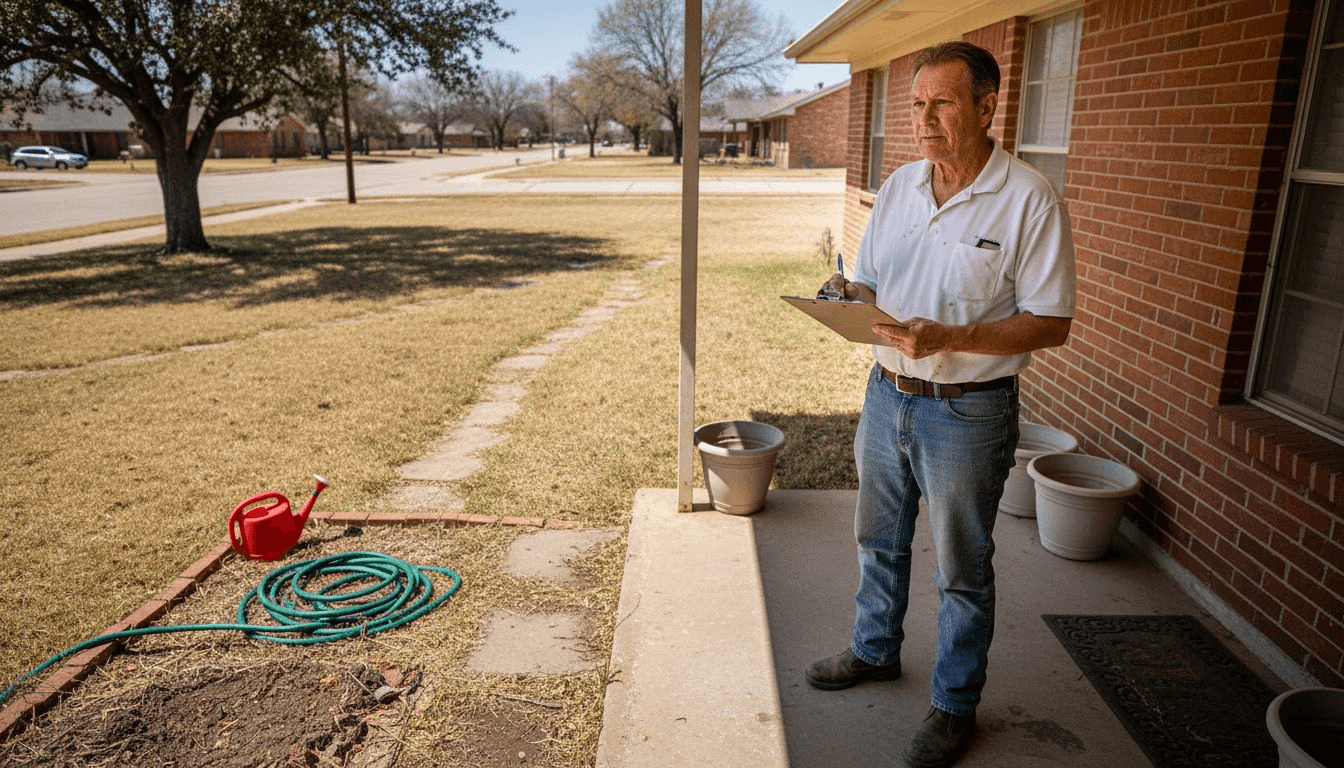
Rental lawns in Lubbock often look patchy and dry despite regular attention, frustrating property managers and homeowners alike. The semi-arid climate combined with tenant wear creates unique maintenance challenges that demand targeted strategies. This guide delivers practical, region-specific lawn care techniques to boost curb appeal, reduce hassle, and protect your investment.
Table of Contents
- Introduction to rental lawn maintenance in Lubbock
- Prerequisites and preparation before lawn maintenance
- Core lawn maintenance steps for rental properties in Lubbock
- Weed and pest control plus handling tenant lawn damage
- Common maintenance mistakes and how to avoid them
- Expected maintenance outcomes and success metrics
- Discover professional lawn care services in Lubbock
- FAQ
Key takeaways
| Point | Details |
|---|---|
| Mowing height matters | Keep grass at 3 to 4 inches weekly to strengthen turf and reduce stress. |
| Pre-emergent timing is critical | Apply herbicides in early spring to cut weed growth by approximately 70%. |
| Water smart | Deliver 1 inch weekly in early morning using timed irrigation for optimal growth. |
| Address tenant damage fast | Inspect weekly and repair wear spots promptly to prevent larger problems. |
| Fertilize strategically | Proper feeding increases drought resistance by 15 to 25% in Lubbock conditions. |
Introduction to rental lawn maintenance in Lubbock
Lubbock's climate presents obstacles that rental property lawns rarely face in wetter regions. The semi-arid environment means less natural rainfall, higher evaporation rates, and soil that dries quickly. Bermuda grass and buffalo grass dominate here because they tolerate heat, but they still need consistent care.
Tenant activity compounds these environmental stresses. Foot traffic from children, pets, and outdoor gatherings wears down turf in high-use zones. Neglect during lease transitions or tenant turnover leaves lawns vulnerable to weeds and bare patches. Research shows tenant damage causes up to 40% of rental lawn problems in Lubbock, making proactive maintenance essential.
Strategic lawn care tailored to this environment saves money long term. A healthy lawn attracts quality tenants, reduces vacancy periods, and increases property value. Professional Lubbock lawn care and mowing services can complement owner efforts, especially during peak growing seasons or after significant tenant damage.
Key factors driving rental lawn challenges in Lubbock include:
- High summer temperatures exceeding 95 degrees Fahrenheit stress cool-season grasses
- Limited annual rainfall averaging just 19 inches requires supplemental irrigation
- Alkaline soil pH between 7.5 and 8.5 limits nutrient availability
- Tenant turnover creates gaps in consistent lawn care routines
- Wind erosion removes topsoil and dries turf quickly
Understanding these local realities sets the foundation for a comprehensive lawn care checklist that addresses both climate and human factors effectively.
Prerequisites and preparation before lawn maintenance
Successful lawn care starts with the right tools and knowledge. You cannot fix what you do not understand, so soil testing becomes your first priority. Soil testing pinpoints exact nutrient needs, preventing costly overapplication of fertilizers that can burn grass or pollute groundwater.
Essential tools for rental lawn maintenance include:
- Rotary mower with adjustable deck height
- Programmable irrigation timer for consistent watering
- Broadcast spreader for even fertilizer and herbicide application
- Garden rake for debris removal and soil leveling
- Soil test kit or lab submission materials
Timing your preparation around Lubbock's growing seasons maximizes results. Early spring, from late February through March, is ideal for pre-emergent herbicide application and cool-season grass fertilization. Early fall, September through October, provides a second window for lawn renovation and warm-season grass care.
Follow this step-by-step preparation guide to organize your materials and schedule before starting maintenance work. Proper planning reduces wasted trips and ensures you have supplies on hand when weather conditions are optimal.
| Preparation Task | Timing | Cost Range | Frequency |
|---|---|---|---|
| Soil testing | Early spring or fall | $15 to $50 | Every 2 to 3 years |
| Tool inspection | Before each season | $0 to $100 | Twice yearly |
| Herbicide purchase | Late winter | $25 to $75 | Annually |
| Fertilizer stockpile | Early spring, early fall | $30 to $80 | Twice yearly |
Pro Tip: Schedule soil tests in January or February before spring maintenance begins. Labs process samples faster during winter months, and you will receive results in time to adjust your fertilizer plan before the growing season starts.
Selecting products suitable for Texas lawns matters. Look for fertilizers with slow-release nitrogen formulations that feed grass over 8 to 12 weeks rather than all at once. Pre-emergent herbicides containing pendimethalin or prodiamine work well for Lubbock's common weeds like crabgrass and spurge.
Core lawn maintenance steps for rental properties in Lubbock
Execution separates successful lawns from struggling ones. Following proven techniques tailored to Lubbock's environment ensures your rental property looks professional year-round while minimizing water and fertilizer costs.
Maintain a mowing height between 3 and 4 inches for both bermuda grass and buffalo grass. Taller grass shades soil, reducing evaporation and suppressing weed germination. Weekly mowing during active growth periods prevents removing more than one-third of the blade length at once, which stresses plants.
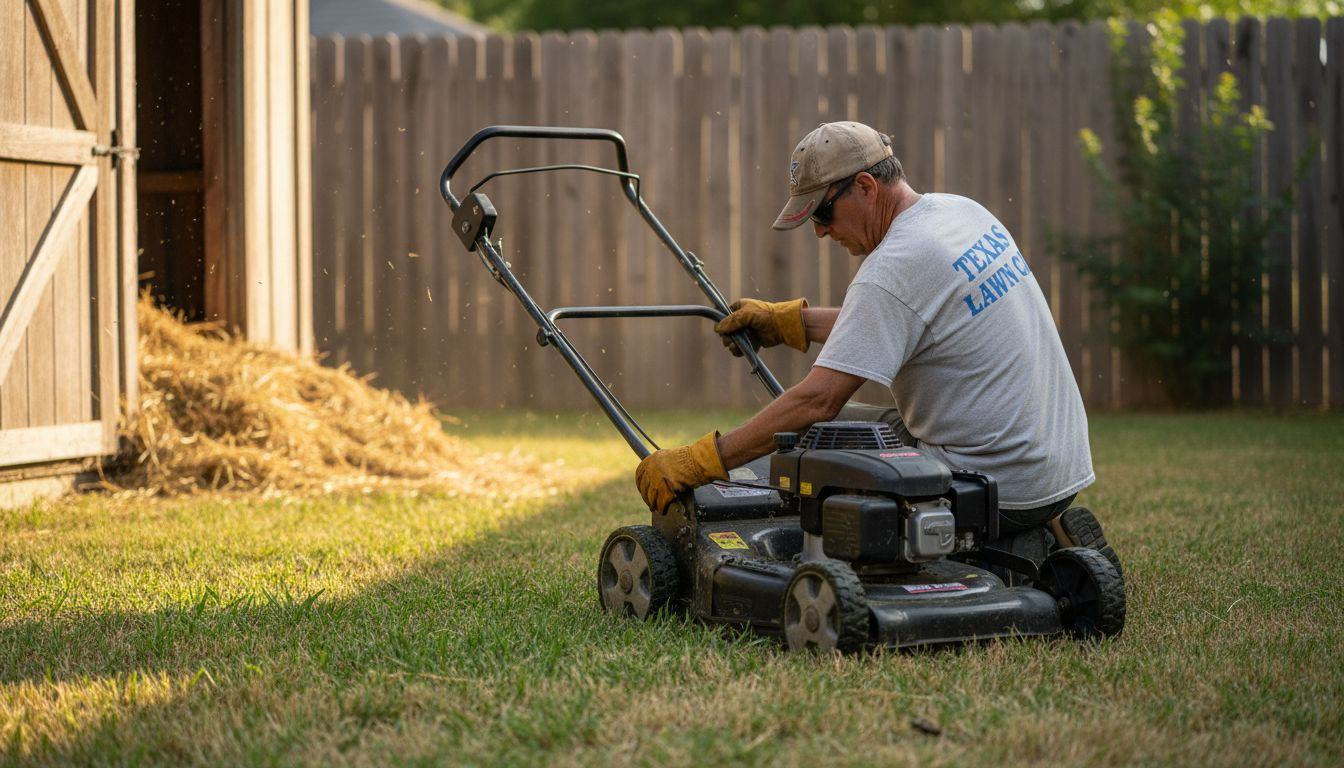
Water delivery requires precision in semi-arid climates. Apply approximately 1 inch of water weekly through timed irrigation systems. Early morning watering, between 5 and 9 AM, reduces evaporation losses by up to 30% compared to midday watering. Split the weekly inch into two or three sessions to improve soil absorption.
Mulching mowers return grass clippings to the lawn, where they decompose and release nutrients. This practice reduces fertilizer requirements by about 20% and improves soil moisture retention. The clippings contain approximately 4% nitrogen by weight, providing natural feeding as they break down.
Seasonal fertilization times for Lubbock rental lawns:
- Early spring application in March with slow-release nitrogen formula
- Late spring feeding in May if grass shows yellowing or slow growth
- Early fall application in September to prepare for winter dormancy
- Avoid fertilizing during peak summer heat or winter dormancy
| Mowing Approach | Clipping Management | Fertilizer Savings | Soil Benefits | Labor Time |
|---|---|---|---|---|
| Mulching mower | Returns to lawn | 20% reduction | Improved moisture and organic matter | Same as bagging |
| Conventional bagging | Removed and disposed | No savings | Minimal improvement | Additional disposal time |
Pro Tip: Schedule mowing for early morning or late afternoon to minimize tenant disruption. Avoid mowing during weekday evenings when tenants are home from work, and never mow before 8 AM on weekends to maintain good neighbor relations.
Our lawn maintenance services handle these tasks on consistent schedules, ensuring your rental properties receive professional care without requiring your constant oversight.
Weed and pest control plus handling tenant lawn damage
Protecting your investment requires both proactive prevention and reactive repairs. Weeds and pests exploit any weakness in turf health, while tenant activities create physical damage that needs immediate attention.
Apply pre-emergent herbicide in early spring before soil temperatures reach 55 degrees Fahrenheit. This timing, typically late February through early March in Lubbock, prevents weed seeds from germinating. Studies show early spring pre-emergent use reduces weed growth by up to 70%, dramatically cutting labor spent on hand pulling or post-emergent treatments.
Conduct weekly inspections during lease periods to catch tenant-caused damage early. Look for worn paths from foot traffic, dead patches from pet urine, or bare soil from furniture placement. Document damage with photos to distinguish tenant responsibility from normal wear.
Repair techniques depend on damage severity. Small bare patches under 2 square feet respond well to spot reseeding with matching grass varieties. Larger damaged areas exceeding 5 square feet may require sod installation for faster recovery and immediate appearance improvement.
Integrated pest management for common Lubbock lawn pests:
- Identify pests accurately before treatment; not all insects harm lawns
- Use targeted treatments for specific problems like chinch bugs or grubs
- Apply treatments only when pest populations exceed damage thresholds
- Maintain healthy turf as the primary pest prevention strategy
- Water deeply but infrequently to discourage surface-dwelling pests
Understanding how lawn care affects property retention value motivates consistent maintenance even when tenants seem indifferent. Professional appearance matters during lease renewals and new tenant showings.
Address tenant neglect through clear lease language requiring basic lawn care or by including lawn maintenance in rent. Properties with included lawn care typically command $50 to $100 higher monthly rent in Lubbock's market, offsetting maintenance costs while ensuring consistent care.
Common maintenance mistakes and how to avoid them
Even experienced property managers make errors that undermine lawn health. Recognizing these pitfalls helps you avoid wasted time, money, and turf quality.
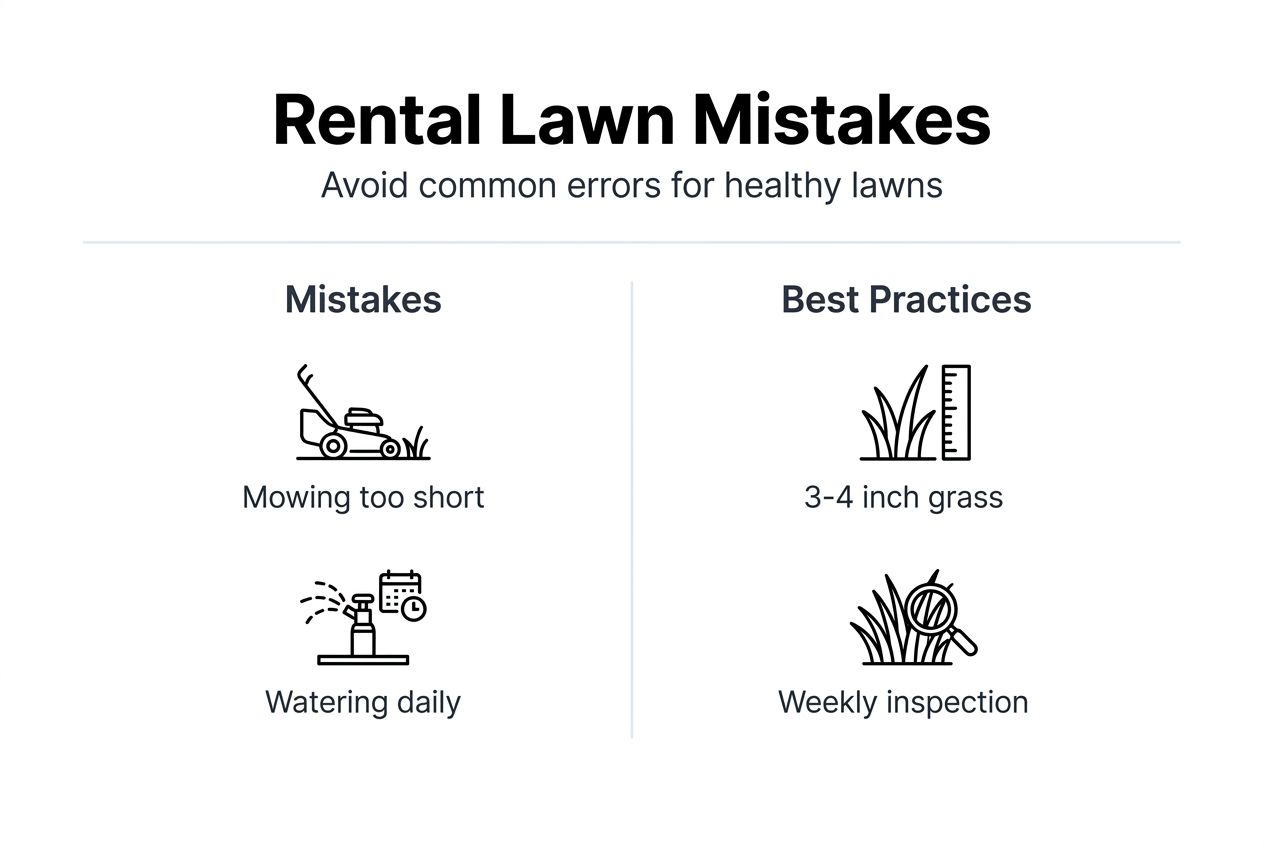
Mowing too short ranks as the most damaging mistake. Cutting bermuda grass below 2 inches or buffalo grass below 3 inches scalps the turf, exposing soil and creating entry points for weeds. Mowing too short and irregular watering increase lawn stress exponentially, triggering a cycle of decline.
Inconsistent watering creates more problems than insufficient watering. Sporadic deep watering followed by dry periods stresses grass roots and encourages shallow root systems. Use programmable irrigation timers to maintain consistent schedules even during tenant transitions or owner absences.
Top maintenance mistakes and practical fixes:
- Ignoring soil test results and applying generic fertilizer blends; solution: customize nutrients based on actual soil analysis
- Applying herbicides during extreme heat above 90 degrees; solution: treat weeds in early morning when temperatures are moderate
- Overwatering to compensate for hot weather; solution: water deeply but less frequently to encourage deep root growth
- Delaying tenant damage repairs beyond one week; solution: inspect weekly and address issues within 48 hours
- Using dull mower blades that tear grass instead of cutting cleanly; solution: sharpen blades every 20 to 25 mowing hours
Recognize tenant neglect early through visible warning signs. Grass exceeding 6 inches in height, weeds covering more than 15% of the lawn, or irrigation systems left off for extended periods all indicate problems requiring immediate intervention.
Resource-efficient practices prevent waste while maintaining quality. Water only when grass shows slight wilting rather than following rigid schedules during cooler periods. Apply fertilizer based on actual growth rates rather than calendar dates alone.
Expected maintenance outcomes and success metrics
Setting realistic expectations helps you evaluate maintenance effectiveness and adjust strategies as needed. Lawns do not transform overnight, but consistent care produces measurable improvements within defined timeframes.
Lawn recovery after repair typically takes 3 to 6 weeks depending on damage severity, grass variety, and growing conditions. Reseeded areas show visible germination within 7 to 14 days, with full establishment requiring an additional 4 to 5 weeks of consistent watering and growth.
Proper fertilization delivers quantifiable benefits beyond appearance. Balanced nutrient applications improve drought resistance by 15 to 25% by strengthening root systems and enhancing water uptake efficiency. Grass receiving adequate nitrogen, phosphorus, and potassium withstands heat stress better than underfed turf.
Pre-emergent herbicides reduce weed populations by approximately 70% when applied at correct timing and rates. This reduction translates to fewer post-emergent treatments, less hand pulling labor, and improved overall lawn appearance throughout the growing season.
| Success Metric | Timeline | Measurement Method | Target Outcome |
|---|---|---|---|
| Weed reduction | 4 to 8 weeks after pre-emergent | Visual count per square yard | 70% fewer weeds compared to untreated areas |
| Damage recovery | 3 to 6 weeks after repair | Percentage of bare soil covered | 90% turf coverage in repaired zones |
| Drought resistance | 8 to 12 weeks after fertilization | Days without watering before wilting | 15 to 25% improvement in stress tolerance |
| Tenant satisfaction | Ongoing throughout lease | Renewal rates and maintenance requests | 10% higher renewal rates for well-maintained lawns |
Patience and consistency deliver better results than sporadic intensive efforts. Lawns respond to regular care patterns, and skipping maintenance weeks creates setbacks that require extra work to overcome.
Monitor progress through simple observations. Photograph the same lawn areas monthly to track changes over time. Count weeds in representative square-foot sections before and after treatments. Measure grass height at multiple points to verify mowing consistency.
Adjust maintenance intensity based on tenant cooperation and property goals. High-end rentals justify more frequent professional care, while budget properties may require tenant participation through lease requirements. Balance cost against expected return from improved tenant retention and property value.
Discover professional lawn care services in Lubbock
Managing rental property lawns yourself takes significant time and requires specialized knowledge of local conditions. Professional services simplify maintenance while ensuring consistent results that protect your investment.

Only Mow delivers reliable lawn care and mowing services in Lubbock tailored specifically for rental property needs. Our team understands the unique challenges of maintaining lawns with tenant activity and semi-arid climate stresses. We handle everything from routine mowing and edging to seasonal fertilization and weed control, freeing you to focus on other property management responsibilities.
Professional services ensure lawns receive attention on schedule regardless of tenant cooperation or weather variations. Consistent care prevents small problems from becoming costly repairs and maintains curb appeal that attracts quality tenants. Our landscaper network near Lubbock provides local expertise backed by proven maintenance protocols designed for Texas conditions.
FAQ
How often should I water rental lawns in Lubbock?
Apply approximately 1 inch of water per week during active growth periods, ideally in early morning between 5 and 9 AM. Use programmable irrigation timers to maintain consistency even during tenant transitions or seasonal variations.
What is the best mowing height for rental lawns in this region?
Maintain grass height between 3 and 4 inches for optimal health and drought resistance in Lubbock's semi-arid climate. Cutting shorter scalps turf, exposes soil, and invites weed invasion while stressing grass roots.
How quickly can I expect a lawn to recover after tenant damage repair?
Lawn recovery typically takes 3 to 6 weeks with proper reseeding, adequate watering, and favorable growing conditions. Prompt repairs immediately after identifying damage speeds recovery and minimizes the extent of bare soil visible to prospective tenants.
Are pre-emergent herbicides safe to use around pets and children?
Follow product label instructions carefully regarding safety precautions and application timing. Avoid allowing pets and children access to treated areas until herbicides dry completely, typically 2 to 4 hours after application depending on weather conditions.
Should I include lawn care in rental agreements or charge separately?
Including lawn maintenance in rent typically increases monthly rates by $50 to $100 while ensuring consistent care quality. This approach protects lawn health better than requiring tenant maintenance, which often results in neglect and costly repairs between leases.