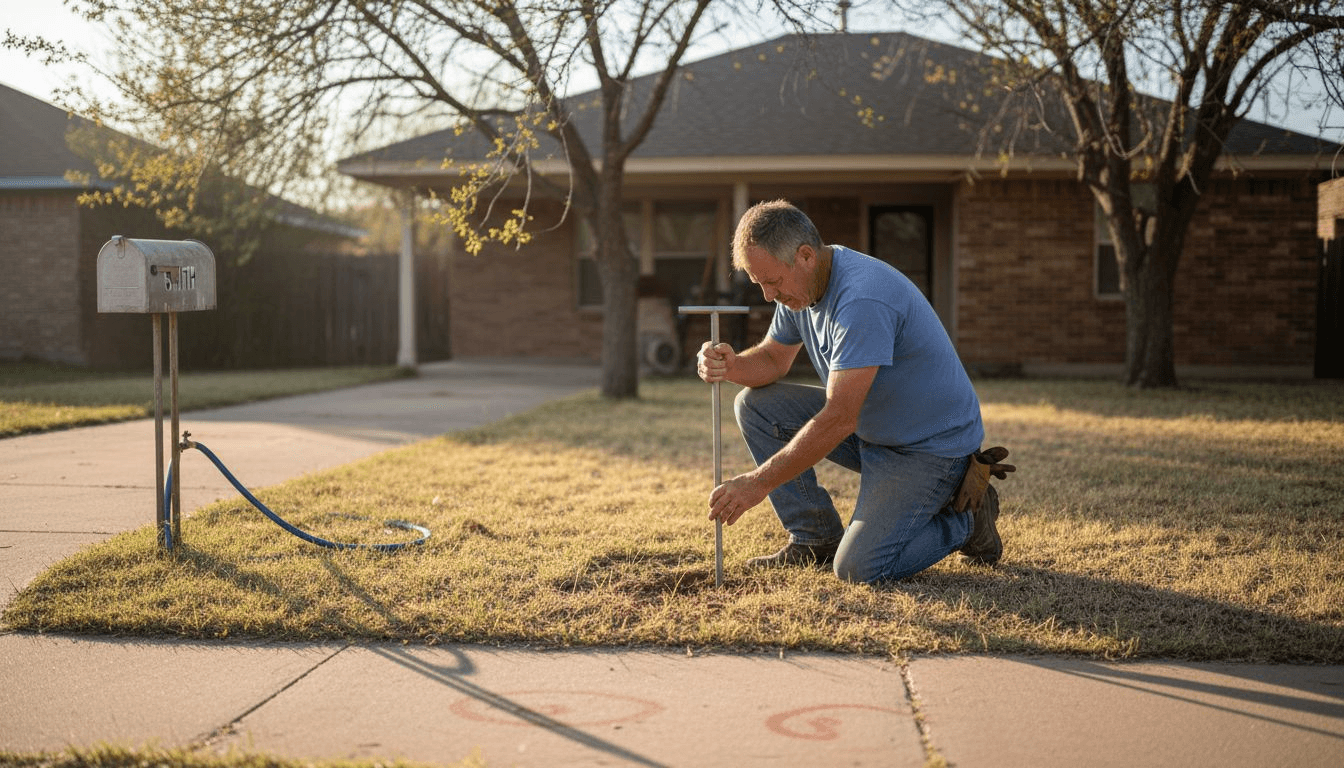
Lubbock homeowners often struggle with lawn care due to unclear seasonal guidance and the region's challenging semi-arid climate. Without a tailored approach, lawns suffer from heat stress, weed invasions, and poor growth timing. This comprehensive seasonal checklist provides clear, actionable steps to maintain a healthier lawn year-round in Lubbock. Professional lawn care improves consistent health outcomes by up to 15% compared to DIY, making expert timing and practices essential for optimal results.
Table of Contents
- How to choose the right lawn care approach for Lubbock
- Spring lawn care checklist: preparation and prevention
- Summer lawn care checklist: watering, mowing, and heat management
- Fall lawn care checklist: repair, overseed, and prepare for winter
- Year-round maintenance tips and professional care benefits
- Discover expert lawn care services in Lubbock with Only Mow
- Frequently asked questions
Key takeaways
| Point | Details |
|---|---|
| Climate-specific timing | Seasonal lawn care must align with Lubbock's semi-arid climate and grass types for best results. |
| Critical spring and summer tasks | Pre-emergent weed control in spring and deep watering in summer are essential practices. |
| Proper mowing height | Maintaining 3-4 inches helps reduce drought stress and conserve moisture in Texas lawns. |
| Fall preparation | Overseeding and aeration in fall prepare your lawn for winter health and improved density. |
| Professional advantage | Expert services can enhance results by about 15% with precise timing and equipment. |
How to choose the right lawn care approach for Lubbock
Selecting the right lawn care strategy starts with understanding your local conditions. Lubbock's semi-arid environment presents unique challenges that demand specific approaches. Consider your soil type, which typically ranges from sandy to clay-based in the region, and how it affects water retention and nutrient availability.
Focus on grass species common to Lubbock: Bermuda and St. Augustine varieties dominate local lawns. Bermuda thrives in full sun and tolerates heat well, while St. Augustine performs better in partially shaded areas. Your grass type determines watering frequency, mowing height, and fertilization needs.
Balance cost, time, and skill level when deciding between DIY and professional care. DIY saves money but requires learning seasonal timing, equipment maintenance, and regional pest identification. Professional lawn care saves time and improves lawn health by ~15%, especially for homeowners with busy schedules or those seeking consistent results.
Water conservation should guide every decision in Lubbock's dry climate. Prioritize practices that reduce evaporation and encourage deep root growth. Seasonal timing matters critically here: tasks performed at the wrong time waste resources and harm lawn health.
Key factors to evaluate:
- Your available time for weekly maintenance and seasonal projects
- Budget for equipment, materials, or professional services
- Current lawn condition and specific problem areas
- Local water restrictions and conservation goals
- Skill level with lawn equipment and pest identification
Pro Tip: Start with soil testing before making major lawn care decisions. Test results reveal pH levels, nutrient deficiencies, and organic matter content, guiding fertilization and amendment choices. Many Lubbock homeowners waste money on unnecessary treatments by skipping this critical first step.
For homeowners seeking reliable local expertise, explore Lubbock lawn care & mowing services or consider professional landscaper options in Lubbock to match your specific needs. Professional teams bring specialized knowledge of regional challenges and proven solutions.
Spring lawn care checklist: preparation and prevention
Spring sets the foundation for your lawn's entire growing season. Early preparation prevents problems that become expensive to fix later. Start when soil temperatures consistently reach the mid-50s, typically in late March or early April in Lubbock.
Apply pre-emergent herbicides before soil temps reach 55°F to prevent crabgrass and other annual weeds from germinating. Timing this application correctly stops weeds before they emerge, saving hours of manual removal later. Miss this window, and you'll battle weeds all summer.
Follow these essential spring tasks:
- Conduct soil tests to determine pH and nutrient levels, guiding precise fertilization
- Apply pre-emergent herbicide when forsythia blooms appear as a timing indicator
- Aerate compacted lawn areas to improve water and nutrient penetration
- Rake away dead grass and debris accumulated over winter
- Inspect for winter damage, disease spots, and early pest activity
- Begin regular mowing when grass reaches 4-5 inches, cutting to 3-4 inches
- Start watering schedule as temperatures rise and rainfall decreases
Fertilizer application should follow soil test recommendations, with nitrogen at 1 pound per 1,000 sq ft monthly during growing seasons. Over-fertilizing wastes money and can burn your lawn, while under-fertilizing leaves grass vulnerable to weeds and disease.
Adjust mowing height gradually as growth accelerates. Never remove more than one-third of grass blade height in a single mowing. This rule prevents shock and maintains the energy reserves grass needs for healthy growth.
Pro Tip: Mark your calendar for pre-emergent application in late February or early March. Set a reminder two weeks before to purchase materials and prepare equipment. Missing this narrow window by even a week significantly reduces effectiveness. For detailed guidance, review spring lawn care tips for Lubbock.
Early detection of problems saves money and effort. Walk your lawn weekly, looking for discolored patches, unusual thinning, or insect activity. Addressing issues immediately prevents them from spreading across your entire yard. Consult soil testing guidelines for laboratory options and interpretation help.
Summer lawn care checklist: watering, mowing, and heat management
Lubbock summers test lawn resilience with intense heat and limited rainfall. Your watering and mowing strategies determine whether grass survives or struggles through this challenging season. Focus on practices that conserve moisture while promoting deep, drought-resistant roots.
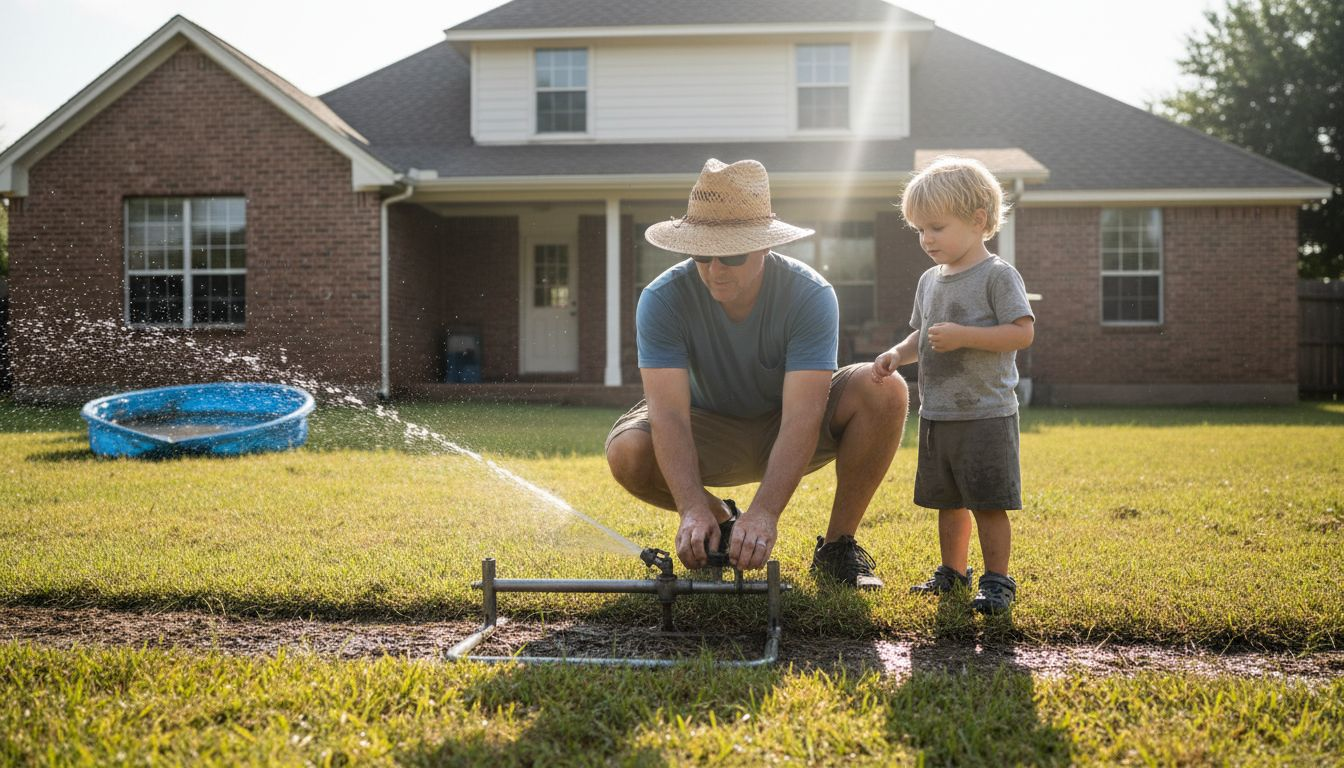
Water deeply 1-2 times weekly rather than daily shallow watering. Deep watering encourages roots to grow downward, seeking moisture below the surface. This creates drought-resistant turf that survives heat stress better. Shallow daily watering keeps roots near the surface, making grass vulnerable when you miss a day.
Maintain mowing height between 3-4 inches throughout summer. Raising mowing height by 1 inch can reduce water usage by 10-15% in Texas during summer months. Taller grass shades soil, reducing evaporation and keeping roots cooler. It also outcompetes weeds by blocking sunlight from reaching weed seeds.
Essential summer practices:
- Water early morning (4-8 AM) to minimize evaporation losses
- Apply 1-1.5 inches of water per session for deep soil penetration
- Sharpen mower blades every 4-6 weeks to prevent tearing grass
- Leave grass clippings on lawn to return nutrients and retain moisture
- Monitor for heat stress signs: wilting, blue-gray color, or slow recovery after foot traffic
- Scout weekly for chinch bugs, grubs, and fungal diseases common in summer
Adjust watering based on rainfall and temperature spikes. During extreme heat waves above 100°F, consider an extra half-inch of water. Watch for city water restrictions and comply with mandatory conservation measures.
Heat stress appears as wilted, discolored grass that doesn't spring back after walking across it. If you see footprints remaining visible for more than a few minutes, your lawn needs immediate watering. Don't wait for widespread browning.
Post-emergent weed control targets weeds that escaped spring prevention. Apply these treatments during cooler morning hours to avoid stressing already heat-stressed grass. Spot-treat problem areas rather than blanket applications to minimize chemical use.
For homeowners who prefer expert care during demanding summer months, professional summer lawn services in Lubbock handle the heavy lifting while ensuring proper techniques and timing.
Fall lawn care checklist: repair, overseed, and prepare for winter
Fall offers the best opportunity to repair summer damage and strengthen your lawn before winter dormancy. Cooler temperatures and occasional rain create ideal conditions for root development and recovery. Focus on building resilience that carries through to next spring.
Aerating soil in fall improves root vigor; overseeding warm-season grasses helps recover lawn density. Compacted soil from summer foot traffic and heat stress prevents water and nutrients from reaching roots. Aeration creates channels that restore access.
Complete these critical fall tasks:
- Aerate lawn in early September when soil moisture is adequate but not saturated
- Overseed thin areas with appropriate grass varieties for your conditions
- Apply fall fertilizer based on recent soil test results to support root growth
- Rake leaves weekly to prevent mold and disease development
- Reduce watering frequency gradually as temperatures drop below 80°F
- Perform final deep watering before first expected freeze
- Lower mowing height slightly in late fall to reduce disease risk during dormancy
Overseed Bermuda and St. Augustine grasses in early fall when soil temperatures remain above 65°F. This timing allows new grass to establish before winter. Spread seed evenly over aerated areas and water lightly daily until germination occurs.
Fertilize based on soil test recommendations to avoid over-application. Fall feeding supports root development without encouraging excessive top growth that winter will damage.
| Task | Timing | Frequency | Notes |
|---|---|---|---|
| Aeration | Early Sept | Annual | When soil is moist but firm |
| Overseeding | Sept-Oct | As needed | Soil temps above 65°F |
| Fertilization | Late Sept | Annual | Follow soil test rates |
| Leaf removal | Weekly | As needed | Prevent disease and smothering |
| Watering reduction | Oct-Nov | Gradual | Match declining temperatures |
Gradually reduce watering as cooler weather arrives and evaporation rates drop. By November, most Lubbock lawns need watering only once every 10-14 days unless unusually dry. Monitor soil moisture by checking 3-4 inches deep with a screwdriver or soil probe.
Pro Tip: Don't skip fall fertilization thinking grass is going dormant. Roots continue growing well after top growth stops, storing energy for vigorous spring green-up. This investment pays dividends in faster recovery and better weed resistance next year.
View fall lawn care examples to see proper technique results. Consult soil test recommendations for lab services and nutrient interpretation specific to West Texas conditions.
Year-round maintenance tips and professional care benefits
Consistent practices throughout the year build cumulative lawn health that withstands seasonal challenges. Establishing routines prevents problems and reduces crisis management. Small, regular efforts outperform sporadic intensive work.
Mow every 7-14 days during active growing season, adjusting frequency as growth rates change with temperature. Regular mowing at correct height maintains ideal moisture retention and prevents scalping when you finally cut overgrown grass. Keep blades sharp for clean cuts that heal quickly.
Conduct soil testing every 2 years as your baseline for fertilization decisions. Soil conditions change as you add amendments, fertilizers, and organic matter. Testing prevents guesswork and ensures you're addressing actual deficiencies rather than assumed problems.
Use integrated weed management combining multiple approaches. Pre-emergent herbicides prevent germination, post-emergent treatments kill existing weeds, and manual removal targets isolated problem areas. This layered strategy reduces reliance on any single method.
Ongoing best practices:
- Alternate mowing patterns weekly to prevent soil compaction and grass grain
- Clean mower deck after each use to prevent disease spread
- Monitor irrigation system monthly for leaks, clogs, or misaligned sprinklers
- Record lawn treatments, dates, and results to refine your approach
- Adjust practices based on weather patterns and observed results
DIY lawn care requires learning local seasonal timing, identifying regional pests and diseases, and maintaining equipment. The learning curve takes 2-3 seasons to master. You'll save money on labor but invest time in education and trial-and-error. Equipment costs add up: quality mowers, aerators, spreaders, and sprayers represent significant initial investment.
Professional lawn care improves lawn health by ~15% and offers expert scheduling and equipment. Professionals know exactly when to apply treatments, recognize problems early, and use commercial-grade equipment that delivers superior results. They adjust strategies based on current conditions rather than calendar dates alone.
| Aspect | DIY Approach | Professional Service |
|---|---|---|
| Cost | Lower labor, higher learning curve | Higher cost, predictable pricing |
| Time investment | 3-5 hours weekly | Minimal client time required |
| Equipment | Purchase and maintain | Included in service |
| Expertise | Self-taught over seasons | Immediate professional knowledge |
| Results consistency | Variable, improves with experience | Consistently high quality |
| Health improvement | Baseline performance | ~15% better outcomes |
Professionals bring specialized knowledge of Lubbock's unique challenges: alkaline soil pH, low rainfall, intense summer heat, and common regional pests. They adjust fertilization rates, watering schedules, and treatment timing based on hyperlocal conditions rather than generic guidelines.
Pro Tip: Even if you prefer DIY for routine tasks, consider hiring professionals for specialized services like soil testing interpretation, pre-emergent application timing, and major renovation projects. This hybrid approach balances cost control with expert guidance on critical decisions.
For homeowners ready to explore professional options, learn about preparing for professional lawn care to maximize service value and results. Proper preparation ensures crews work efficiently and deliver optimal outcomes.
Discover expert lawn care services in Lubbock with Only Mow
Applying this seasonal checklist consistently transforms your lawn's health and appearance. However, busy schedules and the learning curve of regional best practices challenge many homeowners. Only Mow offers tailored lawn care services designed specifically for Lubbock's unique climate and grass types.
Maintaining a healthy lawn in West Texas requires precise timing, proper equipment, and deep knowledge of local conditions. Professional care saves you time while enhancing lawn health by approximately 15% through expert scheduling and proven techniques.

Only Mow handles everything from routine mowing and edging to specialized services like pre-emergent weed control, aeration, and seasonal fertilization. Our team understands Lubbock's soil composition, water conservation needs, and optimal treatment windows. We adjust strategies based on current weather patterns rather than generic schedules.
Explore Lubbock lawn care services to find options that fit your budget and goals. Review preparation tips for lawn service to ensure maximum value from professional visits. Learn how expert care can boost your lawn's value with expert care while freeing your weekends for activities you actually enjoy.
Frequently asked questions
What is the best mowing height for Lubbock lawns during summer?
Maintain 3-4 inches mowing height throughout summer to conserve soil moisture and reduce heat stress on grass. Taller grass shades roots and soil surface, lowering temperature and slowing evaporation. Lower mowing heights increase drought damage risk and force more frequent watering in Texas lawns.
When should I apply pre-emergent herbicides in Lubbock?
Apply pre-emergent herbicides before soil reaches 55°F in early spring, typically late February through early March in Lubbock. Timing proves critical because herbicides must be present before weed seeds germinate. Missing this window by even two weeks significantly reduces effectiveness, leaving you to battle crabgrass and other weeds manually all season. Monitor soil temperature or watch for forsythia blooms as timing indicators. Review soil temperature guidance for herbicide application for precision.
How often should I water my lawn during Lubbock's summer?
Water deeply 1-2 times per week rather than daily shallow watering to promote deep root growth and drought resistance. Each session should deliver 1-1.5 inches of water, penetrating 6-8 inches into soil. Frequent shallow watering encourages surface roots that make grass vulnerable during heat stress. Early morning watering between 4-8 AM minimizes evaporation losses.
What are the benefits of professional lawn care services in Lubbock?
Professional services improve lawn health by approximately 15% compared to typical DIY methods through expert scheduling, proper equipment, and consistent application of best practices. Professionals bring specialized knowledge of regional challenges like alkaline soil, low rainfall patterns, and common local pests. They save you 3-5 hours weekly while delivering predictable results. Explore professional lawn care services in Lubbock to compare options and pricing for your specific needs.