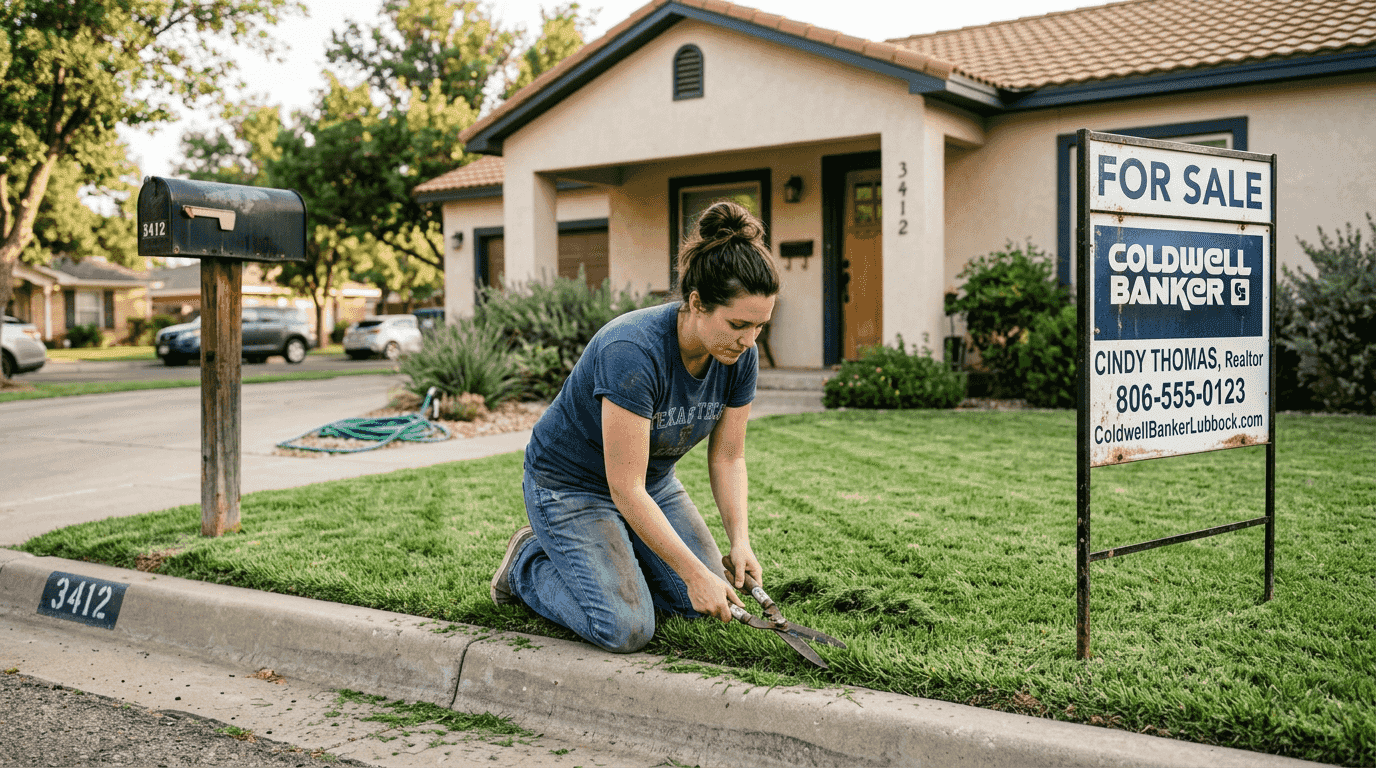
Neglecting your lawn can slash your property value by up to 30%, turning your biggest investment into a liability. In Lubbock's challenging climate, where sandy alkaline soil and scorching summers test every blade of grass, proper lawn maintenance isn't just about aesthetics. It's about protecting your home's worth, conserving precious water resources, and creating outdoor spaces that enhance your quality of life. This guide reveals the science-backed strategies that transform struggling lawns into thriving landscapes while boosting your property's market appeal.
Table of Contents
- The impact of lawn maintenance on property value and curb appeal
- How lawn care practices improve lawn health and conserve water
- Adapting lawn maintenance for Lubbock's unique climate and soil
- Practical steps to maintain a healthy lawn year-round in Lubbock
- Experience expert lawn care tailored for Lubbock
- FAQ
Key takeaways
| Point | Details |
|---|---|
| Property value protection | Well-maintained lawns increase home values by up to 15%, while neglect can reduce values by 30%. |
| Water conservation | Proper aeration and fertilization reduce irrigation needs by 30% through improved soil health. |
| Climate adaptation | Lubbock's unique sandy alkaline soil requires specialized fertilization and watering schedules. |
| Year-round health | Seasonal maintenance including mowing, aeration, and overseeding keeps lawns resilient. |
| Expert advantage | Local lawn care professionals understand regional challenges and deliver superior results. |
The impact of lawn maintenance on property value and curb appeal
Your lawn creates the first impression potential buyers and neighbors form about your property. Real estate professionals consistently report that poor landscaping can decrease property value by as much as 30%, making it one of the most costly oversights homeowners make. Conversely, studies from the National Association of Realtors demonstrate that well-maintained lawns increase property value by up to 15%, representing thousands of dollars in equity.
The psychology behind curb appeal runs deeper than surface aesthetics. When buyers pull up to a property with patchy grass, overgrown weeds, and brown spots, they subconsciously question the home's overall maintenance. A pristine lawn signals responsible ownership and attention to detail, creating positive assumptions about the property's condition before anyone steps inside. This perception shapes not just individual home values but entire neighborhood dynamics.
Common lawn issues that tank curb appeal include:
- Patchy grass coverage revealing bare soil or dead spots
- Overgrown weeds competing with turf for nutrients and water
- Uneven mowing patterns creating an unkempt appearance
- Brown or yellowing grass indicating nutrient deficiencies
- Compacted soil preventing healthy root development
Investing in curb appeal lawn care delivers measurable returns that compound over time. A vibrant, healthy lawn doesn't just attract buyers when you're ready to sell. It elevates your daily living experience and positions your property as a neighborhood standout. The difference between a struggling lawn and a thriving one often comes down to consistent, informed maintenance practices.
"The exterior of your home, particularly your lawn, serves as a billboard advertising your property's value. Neglect sends the wrong message to everyone who passes by."
Property values reflect market perception, and nothing shapes that perception faster than your lawn's condition. Whether you're planning to sell soon or staying put for decades, maintaining your lawn protects your investment and enhances your community's overall appeal.
How lawn care practices improve lawn health and conserve water
Aeration stands as the foundation of effective lawn care, particularly in Lubbock's challenging soil conditions. This process creates small holes in your lawn, allowing water, oxygen, and nutrients to penetrate deep into the root zone. Research from Texas A&M AgriLife Extension shows that aeration increases water infiltration by up to 40% while dramatically improving oxygen levels in compacted soil. The result is stronger root systems that access moisture more efficiently.
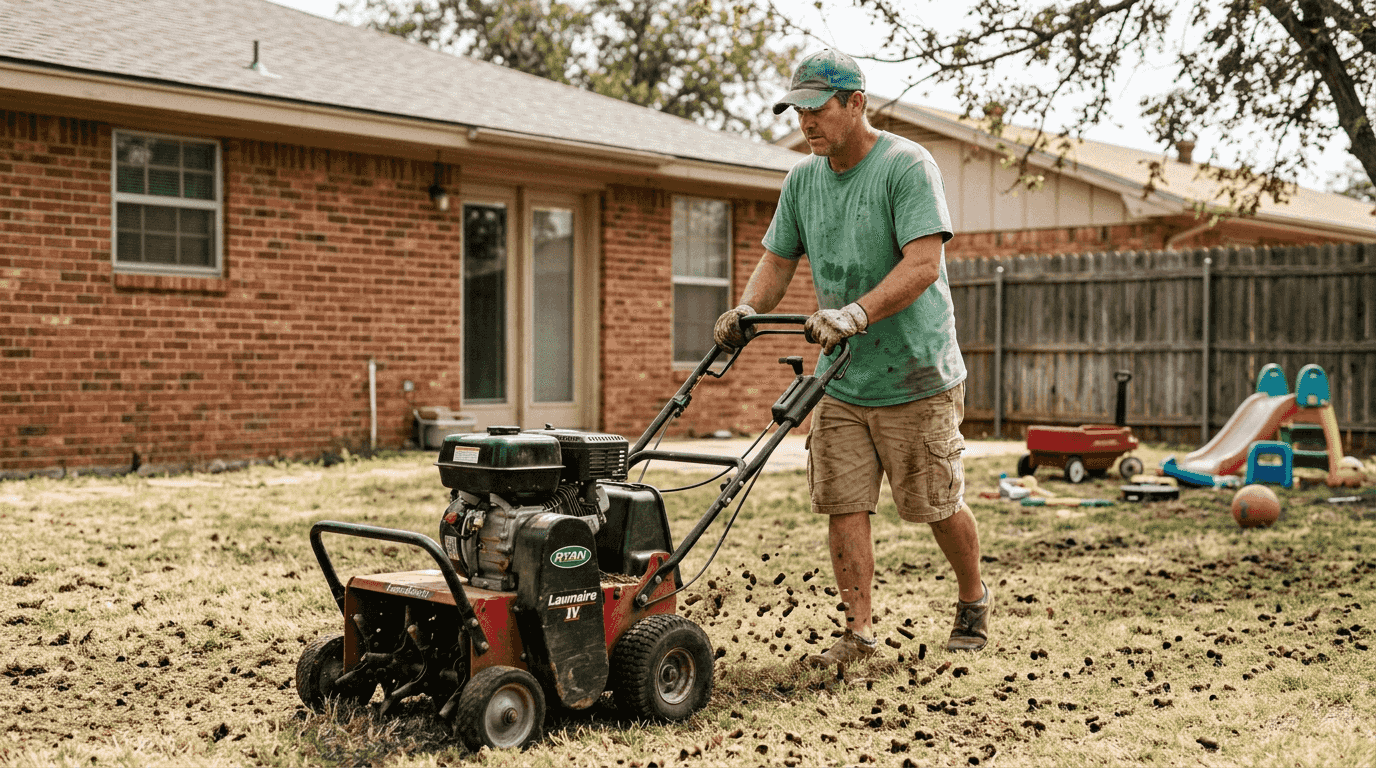
Fertilization works synergistically with aeration to nourish grass at the cellular level. When you apply the right nutrients at optimal times, your lawn develops denser growth that naturally crowds out weeds and resists disease. Healthy, well-fed grass requires less water because robust root systems extract moisture from deeper soil layers. Studies indicate that fertilization and aeration reduce irrigation needs by improving overall soil health, cutting water consumption by up to 30%.
Pro Tip: Schedule aeration in early spring or fall when grass actively grows, maximizing nutrient uptake and recovery speed while avoiding heat stress.
Weed control prevents invasive plants from stealing water and nutrients your grass desperately needs. Broadleaf weeds and grassy invaders establish shallow root systems that compete aggressively with turf. By implementing pre-emergent treatments and spot-controlling existing weeds, you ensure your lawn's resources support healthy grass rather than unwanted plants. This targeted approach maintains clean aesthetics while reducing the need for excessive watering to compensate for nutrient theft.
Core lawn care practices deliver measurable improvements:
- Aeration enhances root depth by 50% compared to non-aerated lawns
- Proper fertilization increases grass density, reducing weed establishment by 60%
- Strategic watering promotes deep roots that access moisture during dry periods
- Weed control eliminates competition, allowing grass to utilize 100% of available nutrients
The data reveals striking differences in water efficiency:
| Lawn Condition | Water Infiltration Rate | Irrigation Frequency Needed |
|---|---|---|
| Compacted, no aeration | 0.3 inches per hour | Every 2-3 days |
| Aerated, fertilized | 1.2 inches per hour | Once per week |
| Optimal maintenance | 1.5 inches per hour | Every 5-7 days |
Understanding your lawn aeration guide helps you recognize when soil compaction threatens grass health. Heavy foot traffic, clay content, and years without intervention create rock-hard surfaces that repel water rather than absorbing it. When you prepare for lawn service properly, professionals can maximize the benefits of each treatment, ensuring your investment delivers lasting results.
Water conservation through smart lawn care isn't just environmentally responsible. It reduces utility bills while creating more resilient turf that survives Lubbock's occasional droughts. The key lies in building soil structure and grass health simultaneously, creating a self-sustaining ecosystem that requires less intervention over time.
Adapting lawn maintenance for Lubbock's unique climate and soil
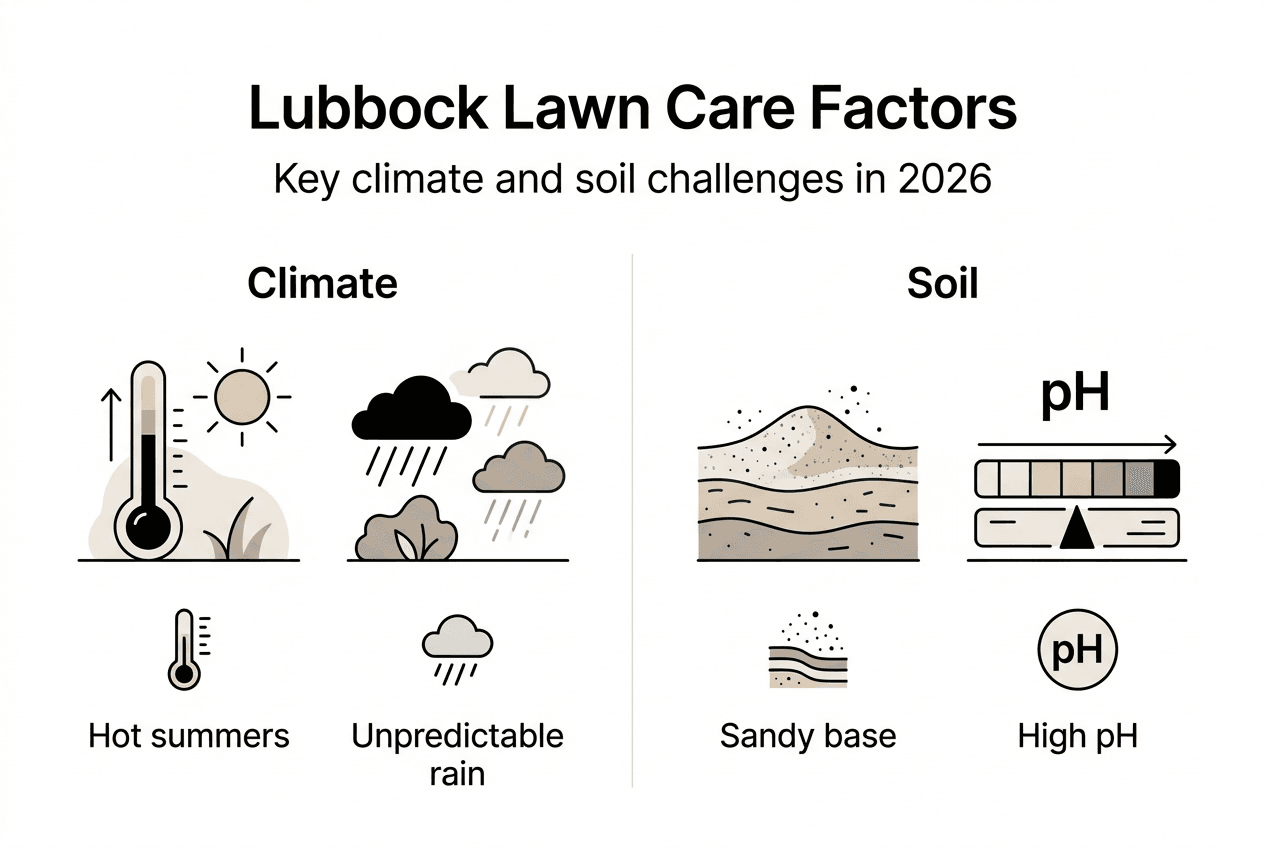
Lubbock's sandy alkaline soil presents challenges that generic lawn care approaches simply can't address. The high pH levels, typically ranging from 7.5 to 8.5, lock up essential nutrients like iron and nitrogen, making them unavailable to grass roots even when present in soil. This chemical reality means you can't just follow advice designed for Houston or Dallas and expect success. Texas A&M AgriLife Extension Lubbock research confirms that specialized fertilization and irrigation strategies are non-negotiable for thriving lawns in West Texas.
The region's climate compounds soil challenges with extreme temperature swings and unpredictable rainfall. Summer highs regularly exceed 95 degrees, while winter freezes can damage unprepared turf. Annual precipitation averages just 19 inches, far below the 30-40 inches grass typically needs without supplemental irrigation. These conditions demand adaptive strategies that account for heat stress, drought periods, and rapid moisture evaporation.
Pro Tip: Time fertilization to coincide with Lubbock's spring and fall rainfall patterns, typically April-May and September-October, to maximize nutrient absorption and minimize waste.
Ignoring local conditions leads to predictable failures. Grass varieties suited for humid climates struggle in Lubbock's arid environment, developing shallow roots that can't access deep moisture. Fertilizers formulated for neutral soils waste money when applied to alkaline ground, as pH imbalances prevent nutrient uptake. Irrigation schedules copied from other regions either drown grass with excessive water or leave it parched during critical growth periods.
Lubbock-specific lawn care considerations include:
- Soil amendments with sulfur or iron sulfate to lower pH and improve nutrient availability
- Drought-tolerant grass varieties like buffalo grass or blue grama adapted to arid conditions
- Deep, infrequent watering to encourage root growth below the evaporation zone
- Mulching mower techniques to return organic matter and moderate soil temperature
- Timing treatments around West Texas weather patterns rather than calendar dates
Successful Lubbock lawn care recognizes that what works in other parts of Texas fails here. The sandy soil drains quickly, requiring more frequent but carefully measured irrigation. Alkalinity demands specialized fertilizer blends with chelated nutrients that remain plant-available despite high pH. Heat stress necessitates raising mower heights during summer to shade roots and conserve moisture.
When choosing lawn services Lubbock providers, prioritize those with demonstrated local expertise. Companies that understand caliche layers, alkaline soil chemistry, and regional grass varieties deliver results that generic services can't match. They know which amendments work, when to apply them, and how to adjust strategies as seasons change. This specialized knowledge transforms struggling lawns into resilient landscapes that enhance property value year after year.
Practical steps to maintain a healthy lawn year-round in Lubbock
Implementing a systematic maintenance schedule removes guesswork and ensures your lawn receives proper care when it matters most. Regular lawn maintenance including mowing and fertilization enhances curb appeal and can boost property values by up to 15%, making the time investment worthwhile. Follow these seasonal steps tailored specifically for Lubbock's climate:
- Early spring (March-April): Apply pre-emergent herbicide before soil temperatures reach 55 degrees to prevent summer weeds, then aerate to break up winter compaction and prepare soil for active growth.
- Late spring (May-June): Begin regular mowing at 3-inch height to shade roots from intensifying heat, fertilize with slow-release nitrogen formula, and establish deep watering schedule of 1 inch per week.
- Summer (July-August): Raise mower height to 3.5-4 inches to reduce heat stress, water early morning to minimize evaporation, and spot-treat any weeds that escaped pre-emergent treatment.
- Fall (September-October): Aerate again to relieve summer compaction, overseed thin areas with appropriate grass varieties, and apply fall fertilizer to strengthen roots before winter.
- Winter (November-February): Reduce watering frequency but don't stop completely, clear debris that can smother grass, and plan next year's maintenance schedule.
Pro Tip: Keep mower blades sharp throughout the season, replacing or sharpening every 25 hours of use to ensure clean cuts that heal quickly rather than ragged tears that invite disease.
Choosing the right service level depends on your time, budget, and lawn goals:
| Service Type | Frequency | Best For | Typical Cost Range |
|---|---|---|---|
| Basic mowing only | Weekly or biweekly | Budget-conscious homeowners with healthy established lawns | $30-50 per visit |
| Mowing plus fertilization | Weekly mowing, quarterly fertilization | Homeowners wanting improved health without full management | $50-80 per visit |
| Comprehensive care | Weekly mowing, monthly treatments, seasonal aeration | Property managers and homeowners maximizing value and appearance | $100-150 per visit |
| Custom programs | Tailored schedule based on lawn condition | Properties with specific challenges or premium appearance goals | $150-250 per visit |
Consistency trumps intensity when maintaining lawn health. Missing scheduled mowing allows grass to grow too tall, forcing you to remove more than one-third of blade height and shocking the plant. Skipping fertilization creates nutrient deficits that take months to correct. Delaying aeration allows compaction to worsen, reducing the effectiveness of watering and feeding efforts.
Your Lubbock lawn care checklist should account for property-specific factors like shade patterns, traffic areas, and irrigation system capabilities. Properties with heavy foot traffic need more frequent aeration. Shaded sections require different grass varieties and adjusted fertilization. Understanding these nuances helps you maintain rental lawns in Lubbock or personal properties with precision that generic approaches can't deliver.
Tracking your lawn's response to treatments reveals patterns that inform future decisions. Notice which areas green up fastest after fertilization, where bare spots persist despite overseeding, and how long irrigation sustains color during dry spells. This observational data helps you refine your approach, allocating resources where they deliver maximum impact rather than treating your entire lawn uniformly.
Experience expert lawn care tailored for Lubbock
Transforming lawn care knowledge into consistent action requires time and expertise many homeowners simply don't have. Only Mow specializes in Lubbock lawn care and mowing services designed specifically for West Texas conditions, delivering the results you've learned about throughout this guide. Our experienced team understands how sandy alkaline soil responds to targeted treatments and which grass varieties thrive in our challenging climate.

We offer comprehensive services including precision mowing, core aeration, customized fertilization programs, and strategic weed control that work together to build lasting lawn health. Our convenient scheduling keeps your property looking its best year-round without the hassle of coordinating multiple providers or remembering seasonal tasks. Whether you need ongoing maintenance or specialized treatments, we bring local expertise that generic services can't match.
Interested in joining our team? We're expanding our network of local landscaping services Lubbock professionals who share our commitment to quality. Join Only Mow contractors and build a rewarding business helping Lubbock homeowners achieve beautiful, healthy lawns. Contact us today to elevate your property's curb appeal and protect your investment's value.
FAQ
What is the most important lawn maintenance practice in Lubbock?
Aeration stands as the most critical practice because it directly addresses soil compaction common in Lubbock's clay-laden sandy soil. Texas A&M AgriLife Extension research confirms that aeration significantly improves water and oxygen availability, both vital for healthy root development in our challenging climate. Combining regular aeration with targeted fertilization and weed control delivers optimal results, creating lawns that resist drought and maintain color through summer heat. Learn more through our detailed lawn aeration guide for Lubbock homeowners.
How often should I water my lawn in Lubbock to maintain health?
Water deeply but infrequently, applying approximately 1 inch per week including rainfall, to encourage roots to grow 6-8 inches deep where moisture persists longer. Proper watering schedules reduce water waste while promoting healthy grass that survives dry periods without constant irrigation. Adjust frequency based on season, reducing to every 10-14 days in cooler months while potentially increasing to twice weekly during July and August heat. Early morning watering between 4-8 AM minimizes evaporation and allows grass blades to dry before nightfall, reducing disease risk.
Can neglecting lawn maintenance lower my property's market value?
Absolutely. Studies show that poor landscaping can reduce property values by up to 30%, representing tens of thousands of dollars in lost equity for average Lubbock homes. Buyers perceive neglected lawns as indicators of broader maintenance issues, lowering their offers accordingly or choosing better-maintained properties instead. Maintaining a healthy, attractive lawn protects your investment and can increase your home's worth by 10-15% compared to similar properties with subpar landscaping. The relatively modest cost of professional lawn care delivers substantial returns when you eventually sell.
What lawn care services are most effective for Lubbock's soil and climate?
Core aeration, pH-adjusted fertilization programs, and precision irrigation management deliver the best results in Lubbock's unique environment. Texas A&M AgriLife Extension Lubbock research emphasizes that our alkaline soil and arid climate require specialized strategies that generic approaches can't provide. Choosing lawn services in Lubbock with demonstrated local expertise ensures treatments account for caliche layers, pH challenges, and heat stress that define West Texas lawn care. Providers familiar with regional conditions select appropriate grass varieties, time applications correctly, and adjust techniques as weather patterns shift throughout the year.