TL;DR:
- Regular mowing promotes healthy, dense, and weed-resistant lawns in Lubbock’s climate.
- Proper mowing height and frequency build strong roots and improve soil quality.
- Consistent routine, tailored to seasons and grass type, ensures a thriving lawn; professional services help.
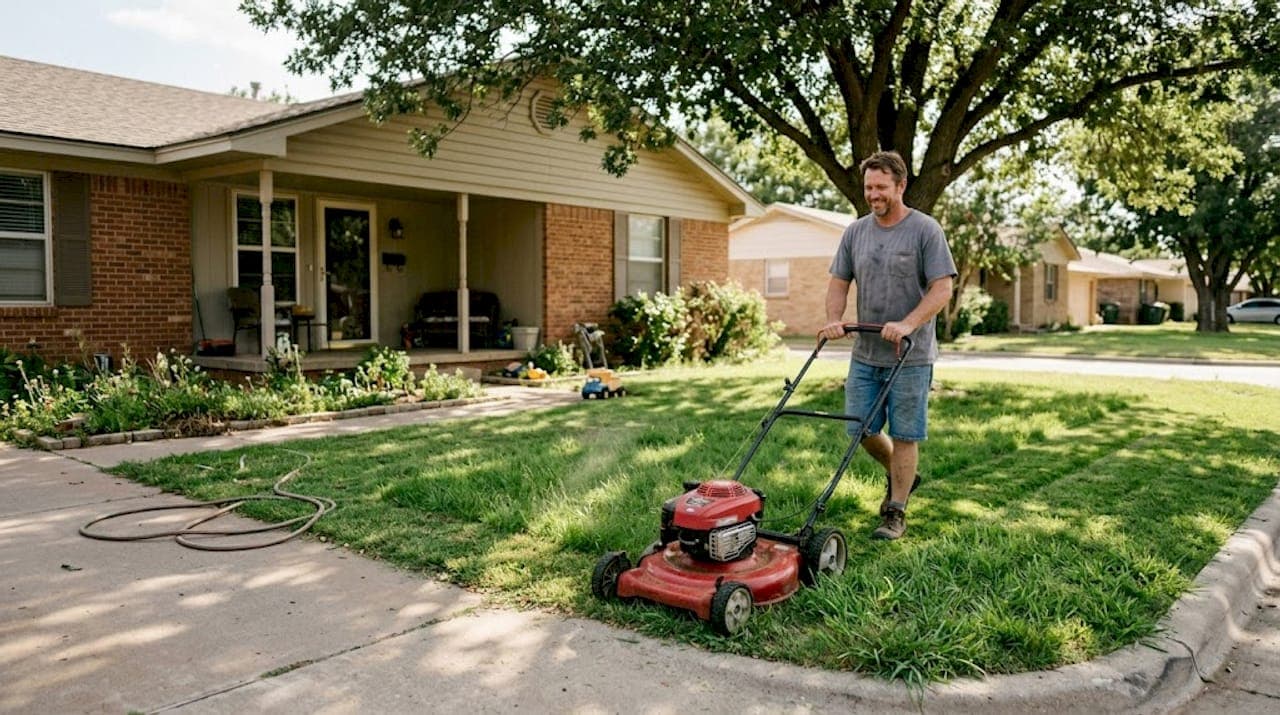
Most Lubbock homeowners assume that mowing less often means less stress on the grass. It sounds logical. But the opposite is usually true. Skipping mows lets grass grow too tall, forces the plant to work harder when you finally cut it, and opens the door to weeds, disease, and patchy growth. Regular mowing is one of the most powerful tools you have for keeping your yard healthy and looking great year-round. In this guide, we'll cover why consistency matters, how mowing affects roots and soil, the techniques that get the best results, and how to build a schedule that fits your yard and Lubbock's climate.
Table of Contents
- Why regular mowing matters for Lubbock lawns
- How mowing affects lawn health, roots, and soil
- Mowing technique essentials: Tools, timing, and tricks for Lubbock yards
- Finding the ideal mowing schedule for your yard
- Why Lubbock homeowners should rethink their mowing routine
- Let Only Mow take mowing off your plate
- Frequently asked questions
Key Takeaways
| Point | Details |
|---|---|
| Mow regularly for health | Consistent mowing keeps your Lubbock lawn lush, disease-resistant, and visually appealing. |
| Follow the one-third rule | Cut no more than one-third of grass height each time to avoid stressing the plants. |
| Sharp blades matter | Maintaining sharp mower blades ensures clean cuts and reduces disease risks. |
| Adapt for weather | Raise cutting height and slow down mowing in drought or heat to protect your turf. |
| Set your schedule | Build a mowing plan based on your yard’s grass type, growth, and local Lubbock conditions. |
Why regular mowing matters for Lubbock lawns
Lubbock's climate is tough on grass. Hot summers, dry spells, and occasional late freezes mean your lawn is constantly adapting. Regular mowing helps your turf stay strong through all of it. When you cut consistently, you encourage the grass to spread sideways rather than grow tall and spindly. That lateral growth fills in bare patches, crowds out weeds, and produces the dense, even look every homeowner wants.
One of the most important principles in lawn care is the one-third rule: never remove more than one-third of the grass blade in a single mow. Cut off too much at once and you shock the plant, forcing it to pull energy from the roots to recover. Do that repeatedly and you end up with a weakened lawn that struggles to handle heat, drought, or foot traffic.
Frequency matters just as much as how much you cut. Mowing every 7-10 days during peak growing season keeps your lawn in the healthy zone without overworking it. Lubbock's irrigation restrictions limit outdoor watering to two days per week in spring and summer, so keeping your grass at a slightly taller maintenance height actually reduces how much water it needs. That's a practical win for your water bill and your yard.
Here's a quick summary of what regular mowing does for your Lubbock lawn:
- Prevents tall, weak growth that invites disease and pests
- Encourages lateral spreading for a thicker, denser turf
- Reduces weed pressure by limiting sunlight to weed seeds
- Supports lawn care and property value by keeping curb appeal high
- Helps grass recover faster from stress events like drought or heat
"A well-maintained lawn doesn't happen by accident. It's the result of consistent, thoughtful care that works with the grass, not against it."
Well-kept lawns also do more than look good. According to property retention advice from local experts, a tidy yard can add measurable value to your home and make a strong first impression on neighbors and visitors. For landlords and homeowners thinking about resale, curb appeal tips consistently point to regular mowing as one of the highest-return maintenance habits you can build.
How mowing affects lawn health, roots, and soil
Mowing is not just about looks. What happens above the soil directly affects what happens below it. When you mow at the right height and frequency, you stimulate the grass plant to push energy downward, building a deeper, stronger root system. Deeper roots mean better access to water and nutrients, which matters a lot during Lubbock's dry summer months.
Research backs this up. Regular mowing enhances productivity and soil organic matter, with a 10 cm mowing height showing notable improvements in soil carbon, nitrogen, and organic material compared to unmowed plots. That means the right mowing habits are actually feeding your soil over time, not depleting it.
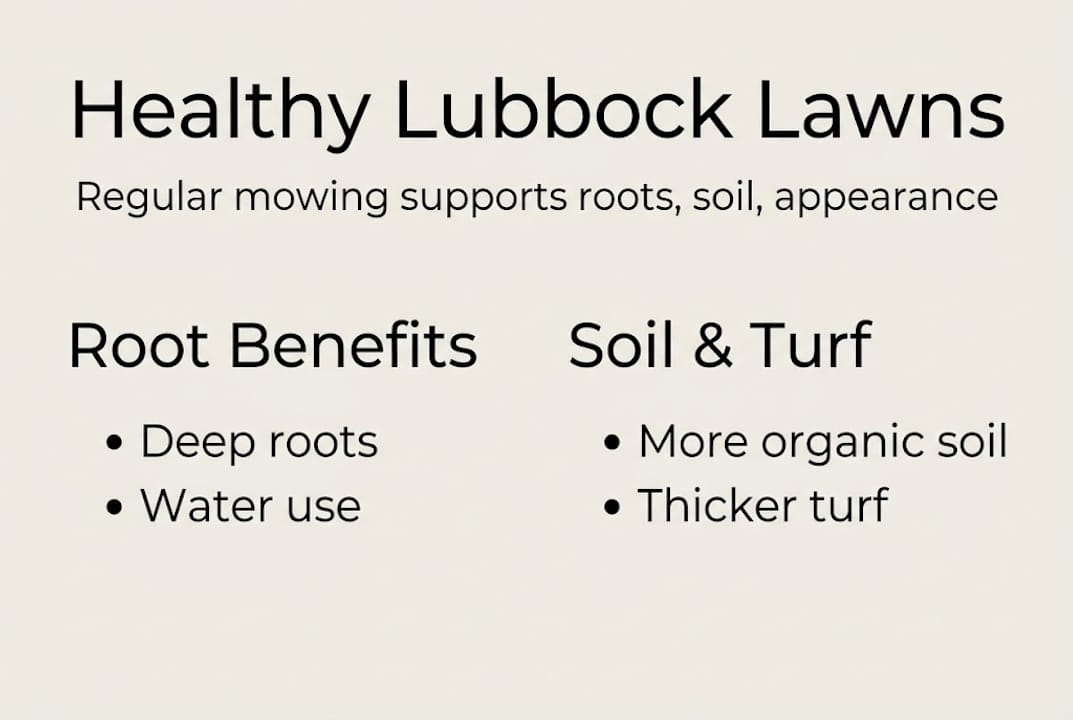
Here's how different mowing practices compare in terms of their impact on grass and soil health:
| Mowing practice | Root depth | Water efficiency | Organic matter in soil |
|---|---|---|---|
| Consistent, correct height | Deep and strong | High | Builds over time |
| Too short (scalping) | Shallow, stressed | Low | Depleted |
| Too infrequent (overgrown) | Weak, uneven | Moderate | Inconsistent |
| Seasonal height adjustments | Adaptive and resilient | Very high | Stable |
For Lubbock's warm-season grasses like Bermuda and St. Augustine, Texas A&M recommends mowing when grass reaches 1.5 to 3 inches depending on the type and season, and raising the height during drought and heat. This is not just a suggestion. It's the difference between a lawn that thrives and one that burns out by July.
Pro Tip: During Lubbock's hottest weeks, raise your mower blade by half an inch. Taller grass shades the soil, keeps moisture in longer, and reduces the stress on roots during extreme heat.
Understanding these lawn maintenance benefits helps you see mowing not as a chore but as an investment. Every pass with the mower, done right, is building a healthier foundation for your yard.
Mowing technique essentials: Tools, timing, and tricks for Lubbock yards
Even the best schedule won't save a lawn if the technique is off. The tools you use and how you use them make a real difference in the results you get.
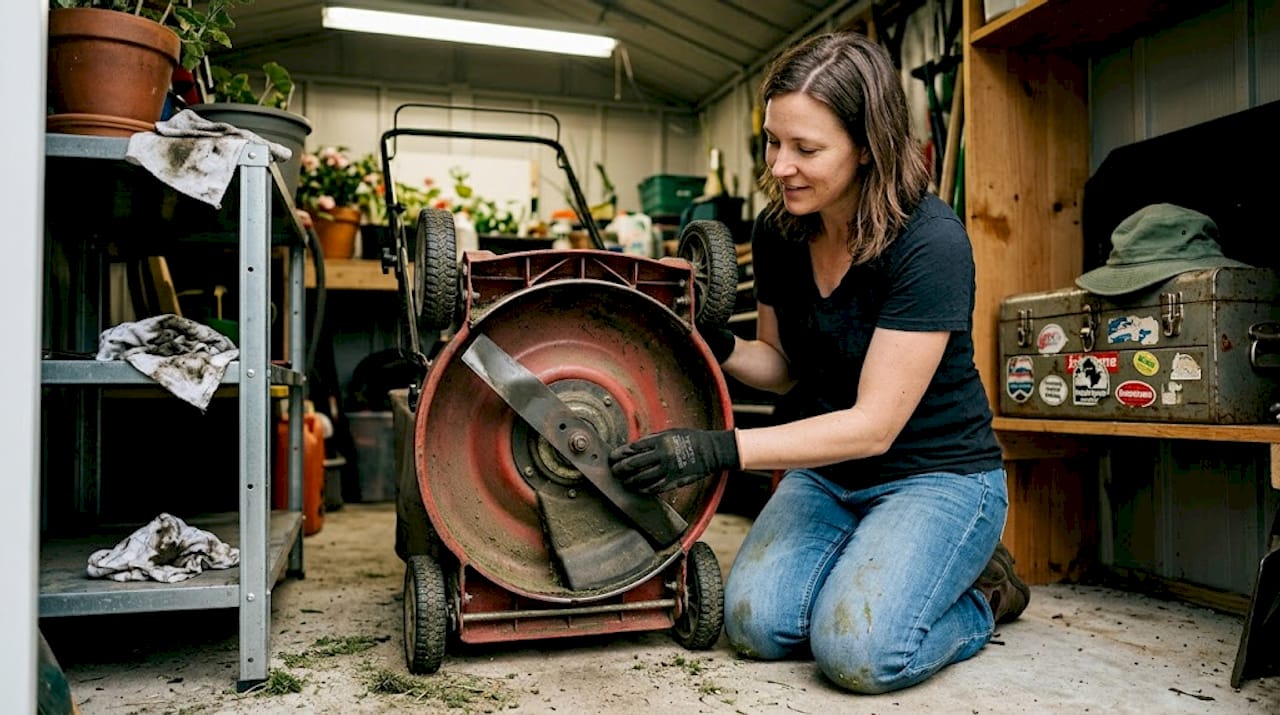
Start with your blades. Dull mower blades don't cut grass cleanly. They tear it, leaving ragged edges that turn brown and invite disease. Dull blades increase disease risk significantly, so sharpen your blades at least once per season, or every 20 to 25 hours of mowing time. You'll notice the difference immediately in how clean and green your lawn looks after a cut.
Changing your mowing direction each time is another habit that pays off. Mowing the same path repeatedly causes the grass to lean in one direction and can create ruts in the soil. Rotating your pattern keeps growth upright and even.
Here's a step-by-step process for getting the most out of every mow:
- Check the grass height before you start. If it's more than 50% above your target height, raise the blade and take it down in two passes over several days.
- Mow in the morning or early evening to avoid heat stress on freshly cut grass.
- Overlap each pass slightly to avoid missed strips.
- Vary your mowing direction from the previous session.
- Leave clippings on the lawn when possible. They break down quickly and return nitrogen to the soil.
- Clean your mower deck after each use to prevent disease spread between sessions.
Timing matters too. Mow weekly or fortnightly from March through October based on growth rate, and always avoid mowing wet or frosty grass. Wet grass clumps, clogs your mower, and can compact the soil. Frosty grass is brittle and breaks rather than cuts cleanly.
Pro Tip: Never mow during a drought stress event when the grass has gone dormant or is visibly wilting. Wait until conditions improve and the grass shows signs of recovery before resuming your regular schedule.
For a deeper look at getting the most from every session, professional mowing techniques and knowing how to prepare for lawn service can save you time and protect your turf. A solid Lubbock lawn care checklist is also a helpful tool to keep your routine on track through every season.
Finding the ideal mowing schedule for your yard
Building a mowing calendar that works for your specific yard takes a little thought, but it's worth it. The right schedule depends on your grass type, the season, and how Lubbock's weather and irrigation rules affect growth.
Bermuda grass is the most common warm-season turf in Lubbock. It grows fast in summer and goes dormant in winter. Texas A&M recommends specific heights and schedules for warm-season grasses, with Bermuda typically mowed at 1.5 to 2.5 inches during the growing season and left taller during drought or extreme heat.
Here's a seasonal comparison to help you plan:
| Season | Bermuda grass | Other warm-season grasses | Mowing frequency |
|---|---|---|---|
| Spring (March to May) | 1.5 to 2 inches | 2 to 3 inches | Every 7 to 10 days |
| Summer (June to August) | 2 to 2.5 inches | 2.5 to 3 inches | Every 7 to 14 days |
| Fall (September to November) | 2 to 2.5 inches | 2.5 to 3 inches | Every 10 to 14 days |
| Winter (December to February) | Dormant, minimal | Dormant, minimal | As needed only |
Beyond the calendar, your yard will sometimes throw you curveballs. Here's how to handle the most common ones:
- Unusual growth spikes after rain: Mow sooner than scheduled but raise the blade slightly to avoid removing too much at once.
- Visible weeds emerging: Mow at the correct height to shade weed seeds and reduce their ability to establish.
- Thin or patchy areas: Avoid mowing those spots too short. Keep height slightly higher to encourage recovery.
- Post-drought recovery: Ease back into your regular schedule gradually, starting with a higher blade setting.
For a more detailed Lubbock mowing schedule tailored to local conditions, or to plan around seasonal transitions, seasonal clean-up tips can help you stay ahead of the curve.
Why Lubbock homeowners should rethink their mowing routine
Here's what most people get wrong: they think more mowing always means a better lawn. It doesn't. Excessive mowing frequency can actually deplete grass reserves, reduce biomass, and harm long-term soil health. The goal isn't to mow as often as possible. It's to mow at the right time, at the right height, with the right tools.
Consistency beats intensity every time. A lawn that gets mowed on a reliable schedule, even if it's not perfect, will outperform a lawn that gets scalped one week and ignored for three weeks the next. Grass is resilient, but it needs rhythm.
For busy Lubbock homeowners, the real win is building a routine that fits your life. You don't need to be obsessive about it. You need to be consistent. And if your schedule makes that hard, that's exactly what a service like Only Mow is built for. The business lawn care perspective applies here too: treating your lawn as an asset worth protecting changes how you approach maintenance entirely.
Let Only Mow take mowing off your plate
You now know what it takes to keep a Lubbock lawn healthy through smart, consistent mowing. But knowing and doing are two different things. Life gets busy, and skipping a few mows is all it takes for a lawn to fall behind.

Only Mow is Lubbock's locally trusted lawn care team and the official vendor for the City of Lubbock. We handle the mowing, the timing, and the technique so you don't have to think about it. Our scheduling is simple, our crews know Lubbock's grass and climate inside and out, and we show up when we say we will. Visit Only Mow to book your first service or get a quote. If you're a lawn care professional, find out how to become a Lubbock contractor and join our growing team.
Frequently asked questions
How often should I mow my lawn in Lubbock during peak growth?
Mow every 7 to 10 days during the growing season, adjusting based on how fast your grass is growing and current weather conditions.
What height should Bermuda grass be cut in Lubbock?
Texas A&M recommends keeping Bermuda at 1.5 to 2.5 inches during the growing season and raising the height slightly during drought or extreme heat.
Is it bad to mow when the grass is wet or frosty?
Yes. Mowing wet or frosty grass damages the blades, causes uneven cuts, and can compact your soil, leading to long-term lawn health problems.
Can frequent mowing improve my lawn's appearance?
Regular mowing keeps your lawn looking neat, limits weed establishment, and builds the kind of dense, healthy turf that boosts curb appeal and overall yard quality.
Does mowing impact the soil or just the grass?
Mowing at the right height actively improves soil quality. Research shows that consistent mowing at proper heights boosts soil organic matter and supports better water retention and nutrient cycling over time.