TL;DR:
- Excess fertilizer can harm lawns by promoting weeds and diseases rather than improving health. Proper timing, soil testing, and correct nutrient ratios are essential for resilience and curb appeal. Lubbock-specific conditions require expert guidance to optimize fertilization for a healthy, valuable lawn.
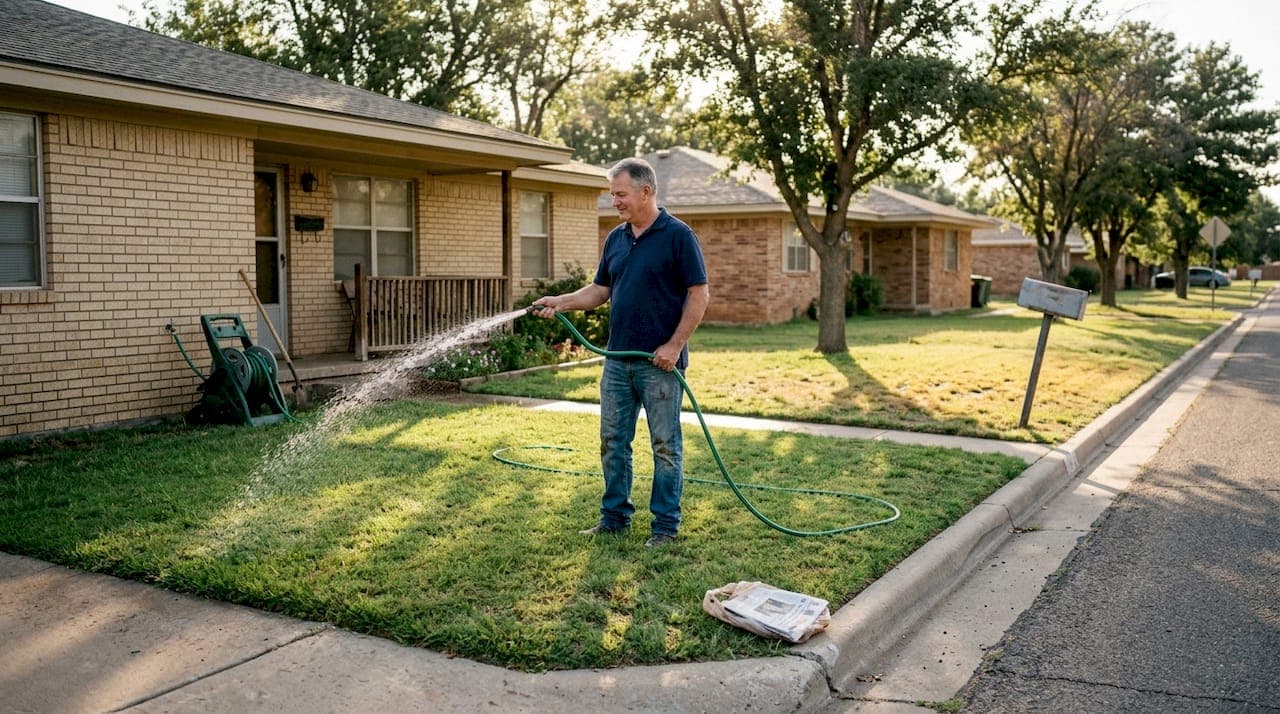
Most Lubbock homeowners assume that adding more fertilizer means a greener, healthier lawn. The reality is that excess fertilizer can backfire, promoting weeds and disease while actually reducing your lawn's overall quality. Getting fertilization right is about timing, soil chemistry, and using the correct nutrients for West Texas conditions. When you nail those details, you get more than just a good-looking yard. You get a lawn that holds its value, resists drought, and makes your home stand out on the block.
Table of Contents
- Why fertilization matters for your Lubbock lawn
- How fertilization works: The science behind a greener lawn
- Best timing and practices for Lubbock lawns
- Comparing results: Fertilized vs. unfertilized Lubbock lawns
- The surprising truths about fertilization most guides won't tell you
- Get expert help for beautiful Lubbock lawns
- Frequently asked questions
Key Takeaways
| Point | Details |
|---|---|
| Boost curb appeal | Fertilization gives lawns a greener, thicker look that increases home value and attraction. |
| Prevent weeds and disease | Well-timed fertilization helps lawns naturally suppress weeds and resist common Lubbock issues like drought and fungus. |
| Timing matters | Applying the right nutrients at the right time is essential for best results and to avoid lawn damage. |
| Test your soil | Soil tests ensure you deliver exactly what your specific Lubbock lawn needs for optimal growth. |
Why fertilization matters for your Lubbock lawn
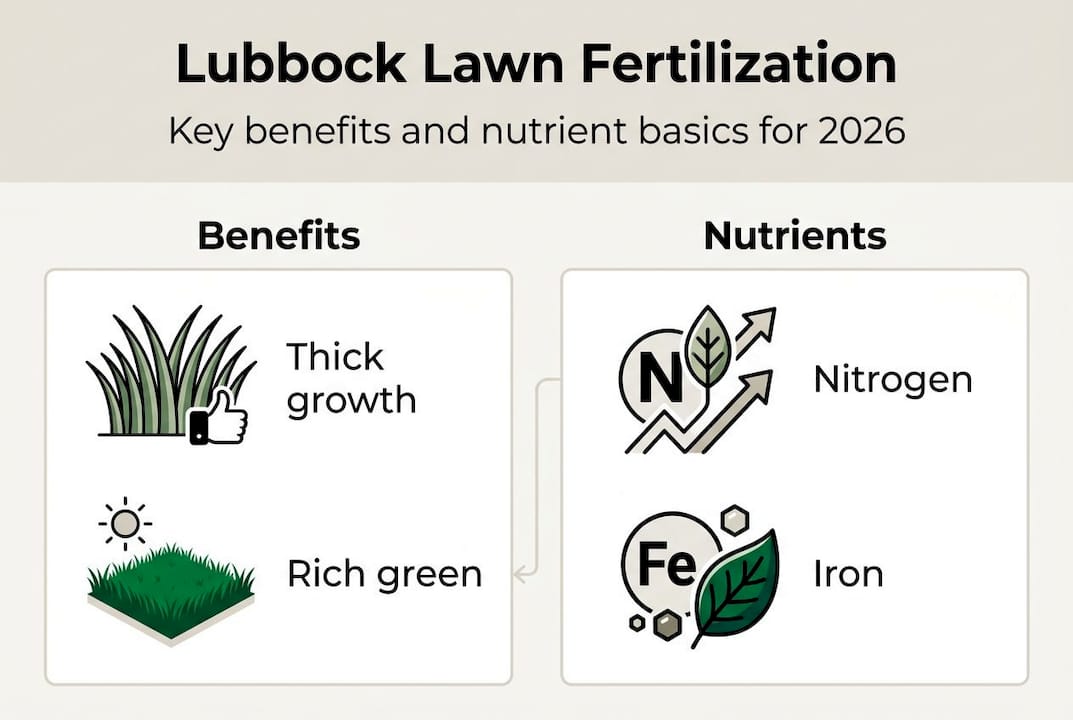
A thick, green lawn does a lot of heavy lifting for your home's first impression. Neighbors notice it. Buyers notice it. Even guests pulling into your driveway form an opinion before they reach the front door. Fertilization boosts curb appeal and, by extension, your property's market value through a visibly lush lawn that signals care and quality.
Understanding lawn fertilization basics helps you see why this matters beyond aesthetics. A well-fed lawn grows denser, which means grass crowds out weeds naturally. You spend less on herbicides and more time enjoying your yard. The property value benefits of a healthy lawn are real and measurable, with lush turf helping homes sell faster and command stronger offers.
Lubbock's heat, wind, and alkaline soils put extra stress on grass. Fertilization builds the resilience your lawn needs to push through those tough summer stretches. Thicker turf also holds moisture better, which matters when July temperatures climb and water bills spike.
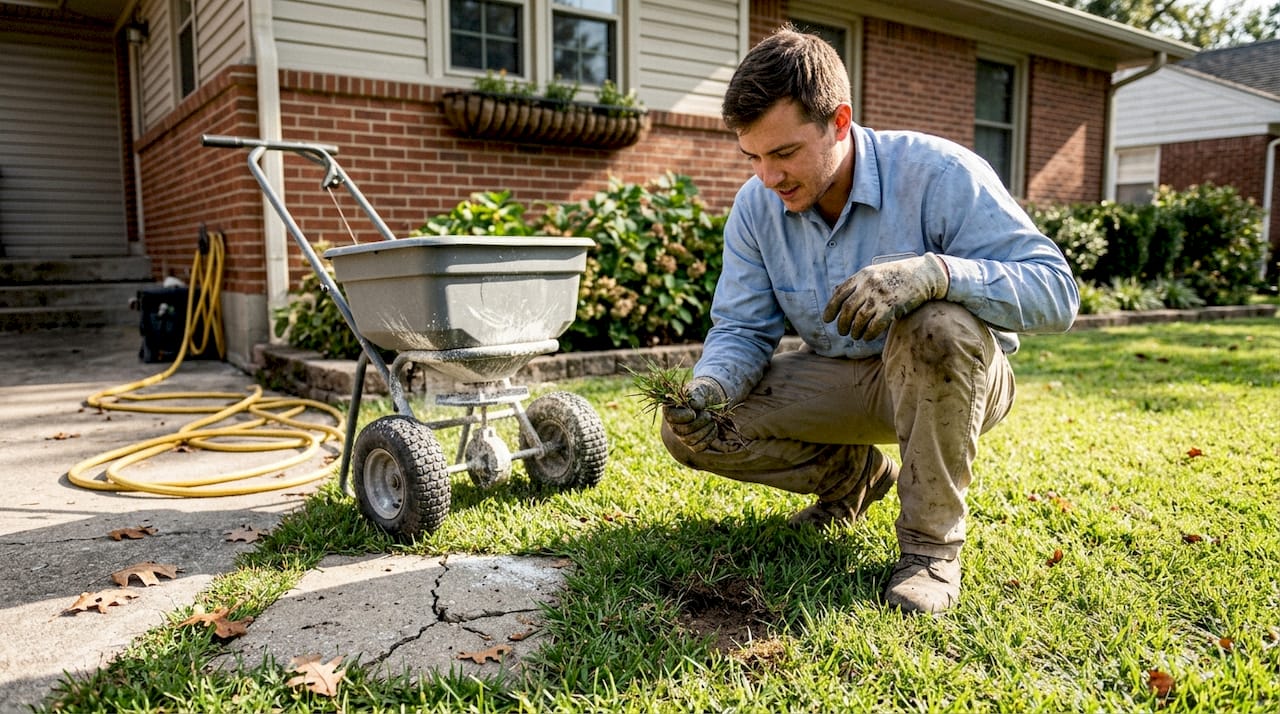
But here is the catch. Fertilizing at the wrong time or using the wrong product can do more harm than good. Late-season nitrogen pushes soft new growth right before a freeze. Too much fertilizer at once burns roots and opens the door to fungal disease. The lawn maintenance importance of getting this right cannot be overstated.
Key stat: Up to 26% of lawns fail to respond to fertilization when it is applied incorrectly, meaning nearly one in four homeowners sees zero benefit from money spent on product.
Here is what proper fertilization actually delivers for a Lubbock lawn:
- Deeper green color that lasts through the growing season
- Faster recovery after foot traffic or drought stress
- Natural weed suppression through dense turf coverage
- Stronger root systems that handle heat and dry spells
- Higher disease resistance going into fall
Think of fertilization as a targeted investment, not a routine chore. Done right, it pays back in lawn quality and home value every single season.
How fertilization works: The science behind a greener lawn
Every bag of fertilizer comes with three numbers on the label. Those numbers represent nitrogen (N), phosphorus (P), and potassium (K), the three primary nutrients your grass needs to thrive. Nitrogen drives leaf growth and that deep green color. Phosphorus supports root development. Potassium strengthens the overall plant, improving heat and drought tolerance.
Getting the ratios right for your specific grass type changes everything. Bermuda grass, which is the most common warm-season turf in Lubbock, responds strongly to nitrogen during active growth. Too little and it stays thin and pale. Too much at once and you risk burning the turf or triggering a flush of weak, disease-prone growth.
Beyond the big three, micronutrients like iron and manganese play a real role in color and health. Lubbock's alkaline soils often lock up iron, which is why lawns here can look yellowish even when fertilized. Adding chelated iron alongside your regular program can make a visible difference within days.
Research also points to the value of biostimulants as a complement to standard fertilizers. Applied at 2-3 L/ha, biostimulants reduce fungal diseases by 6 to 12% and improve how efficiently grass absorbs nitrogen and potassium. That means your fertilizer dollars go further.
For more on building the right program, check out these fertilizing tips tailored for Lubbock homeowners.
Pro Tip: Get a soil test before you buy a single bag of fertilizer. Lubbock soils are often high in pH, which affects nutrient availability. A $15 test tells you exactly what your lawn is missing so you stop guessing and start solving.
| Fertilizer type | N-P-K ratio | Key effect | Best timing |
|---|---|---|---|
| Starter fertilizer | 18-24-12 | Root establishment | Early spring |
| Summer lawn food | 32-0-10 | Leaf growth, color | May through July |
| Balanced all-purpose | 16-4-8 | Overall health | April through August |
| Winterizer | 5-0-20 | Root depth, cold prep | Late September |
| Iron supplement | 0-0-0 + Fe | Green color boost | Any active growth period |
Knowing what each product does and when to use it turns fertilization from guesswork into a reliable system.
Best timing and practices for Lubbock lawns
Lubbock's warm-season grasses, including Bermuda, St. Augustine, and Zoysia, follow a predictable growth cycle. They wake up in spring, grow aggressively through summer, and slow down in fall. Your fertilization schedule should match that rhythm exactly.
Texas A&M lawn guidance recommends fertilizing warm-season grasses from spring through fall using 0.5 to 1 pound of nitrogen per 1,000 square feet every 4 to 6 weeks. That schedule keeps nutrients flowing during peak growth without overloading the turf.
Here is a simple step-by-step plan for a typical Lubbock lawn:
- Test your soil in March before the growing season begins. Know your pH and nutrient levels before spending money on product.
- Apply starter or balanced fertilizer in April once soil temperatures reach 65 degrees consistently. This jumpstarts spring green-up.
- Feed every 4 to 6 weeks from May through August using a nitrogen-forward product. Stick to 0.5 to 1 pound of nitrogen per 1,000 square feet per application.
- Switch to a high-potassium winterizer in late September to strengthen roots before dormancy. Skip the nitrogen at this stage.
- Stop all fertilization by early October and let the lawn harden off naturally before cold weather arrives.
For a broader view of what your lawn needs each season, the spring lawn fertilizing guide and the full lawn care checklist are worth bookmarking.
Common mistakes that undo all your hard work:
- Applying too much fertilizer at once, which burns grass and wastes money
- Fertilizing in late fall when nitrogen triggers growth right before a freeze
- Skipping the soil test and guessing at what nutrients are needed
- Watering too little after application, leaving fertilizer sitting on blades instead of reaching roots
- Using a one-size-fits-all product that doesn't match your grass type
Pro Tip: A high-potassium winterizer in late September builds root depth and cold tolerance without the risk of pushing new top growth. Just avoid any product with significant nitrogen after August in Lubbock.
Comparing results: Fertilized vs. unfertilized Lubbock lawns
Sometimes the best way to understand the value of fertilization is to look at what happens when you skip it. The difference between a well-fed Lubbock lawn and a neglected one becomes obvious by midsummer.
Fall fertilization increases spring green-up by 2 to 6 weeks and boosts disease resistance heading into the next growing season. That is not a small edge. Getting a green lawn weeks before your neighbors is a visible, measurable payoff.
| Feature | Fertilized lawn | Unfertilized lawn |
|---|---|---|
| Color | Deep, consistent green | Pale, patchy, or yellow |
| Weed pressure | Low, turf crowds weeds out | High, bare spots invite weeds |
| Spring green-up | 2 to 6 weeks earlier | Slow to recover from dormancy |
| Drought stress | Recovers quickly | Thin, stressed, slow to bounce back |
| Foot traffic recovery | Fast, minimal damage | Slow, visible wear patterns |
| Disease resistance | Strong, especially after fall feeding | Vulnerable to fungal issues |
The lawn care essentials that separate great-looking yards from struggling ones often come down to this single habit. Fertilization is not glamorous, but the results absolutely are.
Well-fertilized lawns also handle Lubbock's brutal August heat differently. The root depth built up through a consistent feeding program lets grass access moisture deeper in the soil. Thin, underfed lawns sit at the surface and fry. Visitors, buyers, and neighbors all notice which lawn looks alive in August and which one looks like straw.
The surprising truths about fertilization most guides won't tell you
After seeing hundreds of Lubbock lawns in all conditions, one thing stands out clearly. More product almost never solves the problem. Homeowners who struggle with their lawn year after year are usually not under-fertilizing. They are fertilizing at the wrong time, using the wrong blend, or skipping the soil test that would tell them exactly what their grass actually needs.
Lubbock's alkaline soils are a specific challenge that generic fertilizer guides completely ignore. A product that works great in Houston or Dallas may deliver almost nothing here because the soil pH locks up key nutrients before roots can absorb them. A soil test costs almost nothing compared to a full season of wasted fertilizer.
Late-summer nitrogen is another trap we see constantly. It feels productive to feed the lawn in September, but nitrogen at that point pushes soft growth that gets hammered by the first freeze. That leads to lawn restoration realities that cost far more to fix in spring than the September feeding ever saved.
True curb appeal in Lubbock comes from reading your specific yard, not just following a generic schedule off the bag.
Get expert help for beautiful Lubbock lawns
Everything covered here, from soil testing to timing to product selection, requires local knowledge to get right. Lubbock's soils, climate, and grass types create a specific set of conditions that a one-size-fits-all approach simply cannot address.
At Only Mow, we handle fertilization as the official lawn care vendor for the City of Lubbock, which means we know this soil and these grasses better than anyone. Our team applies the right products at the right time so your lawn gets the full benefit of every application. Whether you want a one-time service or a full-season program, we make it easy to schedule and even easier to enjoy the results. Lawn care professionals looking to join a trusted local operation can also become a contractor with our growing team.
Frequently asked questions
How often should I fertilize my lawn in Lubbock?
For Bermuda and similar warm-season grasses, fertilize every 4 to 6 weeks from spring through early fall for best results.
Does lawn fertilization really increase property value?
Yes, a lush lawn enhances curb appeal and consistently leads to stronger buyer interest and higher perceived property value.
Is there a risk to fertilizing too late in the season?
Applying nitrogen after August can trigger soft growth before winter, leading to freeze damage and winterkill that sets your lawn back in spring.
Do I need a soil test before fertilizing?
A soil test is strongly recommended, especially in Lubbock, where alkaline soils can cause a 26% non-response rate to fertilization when nutrient needs are not properly targeted.