TL;DR:
- Environmental landscaping in Lubbock combines ecological health with aesthetic appeal, focusing on resource efficiency.
- Key strategies include smart irrigation, native plant use, organic soil building, and stormwater design.
- Proper planning, maintenance, and realistic expectations are essential for successful, sustainable results.
Many Lubbock property owners assume environmental landscaping means letting your yard go wild with weeds or ripping out everything for rocks and cactus. That's not it. Environmental landscaping is a purposeful approach that balances ecological function with genuine curb appeal, working with your local climate instead of fighting it. In Lubbock's hot, drought-prone environment, this distinction matters more than most people realize. This guide breaks down exactly what environmental landscaping is, which strategies work best in West Texas, what results you can realistically expect, and the common mistakes that trip up even well-intentioned property owners.
Table of Contents
- What is environmental landscaping?
- Core strategies: Local solutions for sustainable landscapes
- Proven benefits: Measured impacts for your property and the environment
- Overcoming challenges: Maintenance, myths, and local realities
- The uncomfortable truth about environmental landscaping in Lubbock
- Get hands-on support for your Lubbock landscape
- Frequently asked questions
Key Takeaways
| Point | Details |
|---|---|
| Balance beauty and ecology | Environmental landscaping enhances curb appeal while supporting local environments and resources. |
| Local solutions work best | Using Lubbock-adapted plants and methods saves water and reduces maintenance headaches. |
| Measured benefits add up | Sustainable practices lead to real cost and resource savings over time. |
| Ongoing care matters | Proper planning and maintenance are essential for the long-term success of your landscape. |
What is environmental landscaping?
Environmental landscaping is a design and management philosophy that prioritizes ecological health alongside aesthetics. It's not a single style or plant list. Think of it as a framework: every decision, from which grass you plant to how you water, is made with resource efficiency and ecosystem function in mind.
At its core, environmental landscaping focuses on measurable ecological outcomes like water retention, soil health, and local biodiversity, informed by landscape ecology principles. That sets it apart from conventional landscaping, which tends to prioritize appearance first and figure out water and chemical inputs later.
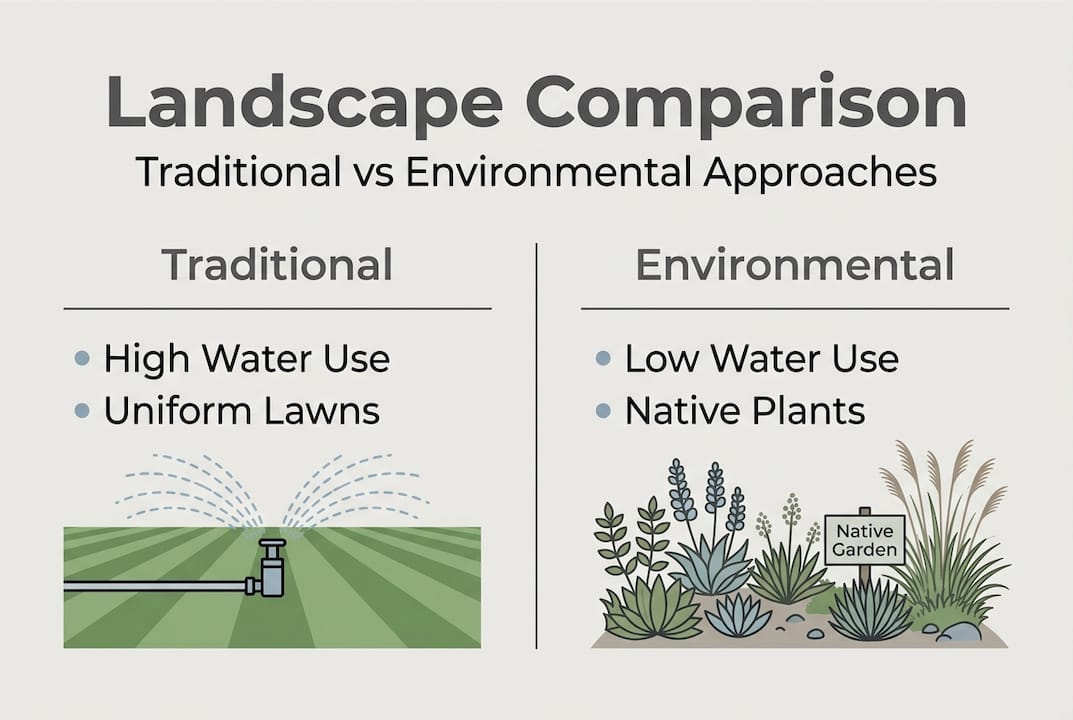
How it differs from traditional landscaping:
| Factor | Traditional landscaping | Environmental landscaping |
|---|---|---|
| Water use | Often high, scheduled irrigation | Minimized through plant choice and design |
| Plant selection | Primarily aesthetic | Ecology and climate-suitability first |
| Soil management | Fertilizers and amendments as needed | Organic matter building, minimal disturbance |
| Chemical inputs | Pesticides and herbicides routine | Reduced or eliminated where possible |
| Long-term cost | Higher ongoing inputs | Lower once established |
You'll also hear related terms like sustainable landscaping and xeriscaping (water-efficient landscaping using drought-tolerant plants) used in this space. They overlap significantly. Sustainable landscaping requires minimal resource inputs while maintaining attractiveness, which is a concise way to describe what environmental landscaping aims for in practice.
What counts as environmental landscaping:
- Replacing turf with native or adapted groundcovers
- Installing drip irrigation instead of spray heads
- Using mulch to retain soil moisture and reduce weeds
- Selecting plants suited to Lubbock's alkaline soils and dry summers
- Designing swales or berms to manage stormwater on-site
What does not qualify:
- Simply removing all plants and replacing with gravel
- Using drought-tolerant imports that become invasive
- Installing a drip system but keeping the same high-water plant palette
For Lubbock specifically, the caliche soils, high winds, and limited rainfall (averaging around 18 inches per year) make environmental landscaping less of a trend and more of a practical necessity. Conventional high-water landscapes are increasingly expensive and fragile here. If you want to go deeper on the eco-friendly lawn care side of this equation, it's worth understanding how daily maintenance habits connect to these bigger design choices.
"The most successful environmental landscapes in West Texas are not wild spaces. They are carefully designed systems that look intentional because they are."
Core strategies: Local solutions for sustainable landscapes
Now that we've defined environmental landscaping, let's look at what strategies make it work for Lubbock's unique climate and property needs.
According to Texas A&M AgriLife, core environmental landscaping methods in Texas include xeriscaping, native plant selection, soil preparation, efficient irrigation, and mulching. Those five areas are your starting framework, and here's how to apply them:
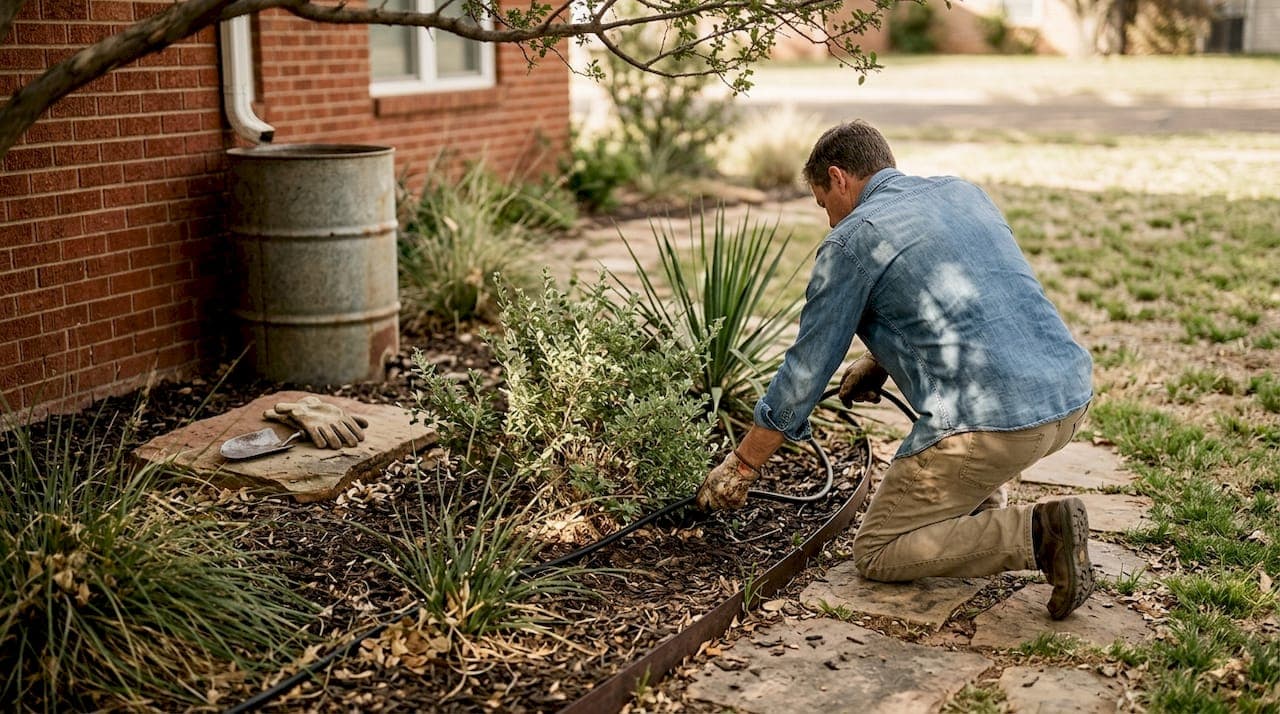
- Audit your water use first. Before changing a single plant, map out where water goes on your property. Overwatering is the single most common cause of plant death and wasted money in Lubbock landscapes. Install smart controllers or drip irrigation where possible.
- Match plants to your soil. Lubbock's alkaline, clay-heavy soils demand plants that can handle pH levels above 7.5 and periodic drought stress. Buffalo grass, Texas sage, desert willow, and turk's cap are reliable performers. Avoid plants that need acidic or consistently moist conditions.
- Build your soil organically. Adding compost before planting improves water retention, encourages root development, and reduces fertilizer needs over time. A 2 to 3 inch layer of organic mulch on top extends that benefit through Lubbock's brutal summers.
- Design for stormwater. Even in a dry climate, Lubbock gets occasional heavy rains that cause runoff and erosion. Grading your beds to slow and capture rainwater on-site adds a practical ecological function to your landscape design.
- Set measurable goals. Decide what success looks like before you plant. Is it reducing your water bill by 30%? Attracting pollinators? Eliminating herbicide use? Goals keep your maintenance decisions focused and make it easier to evaluate results.
Pro Tip: When you're planning a plant swap or bed redesign, group plants by water needs. Putting thirsty plants next to drought-tolerant ones wastes water and stresses both. This is called hydrozoning, and it's one of the highest-impact changes a Lubbock property can make.
For visual ideas that work in this region, browsing Lubbock landscaping ideas can help you see how these strategies translate into real outdoor spaces. Commercial property managers can also find context in public property landscaping basics to understand how these principles scale up.
Proven benefits: Measured impacts for your property and the environment
So what happens when you apply these strategies? Let's see what research and real-world projects show.
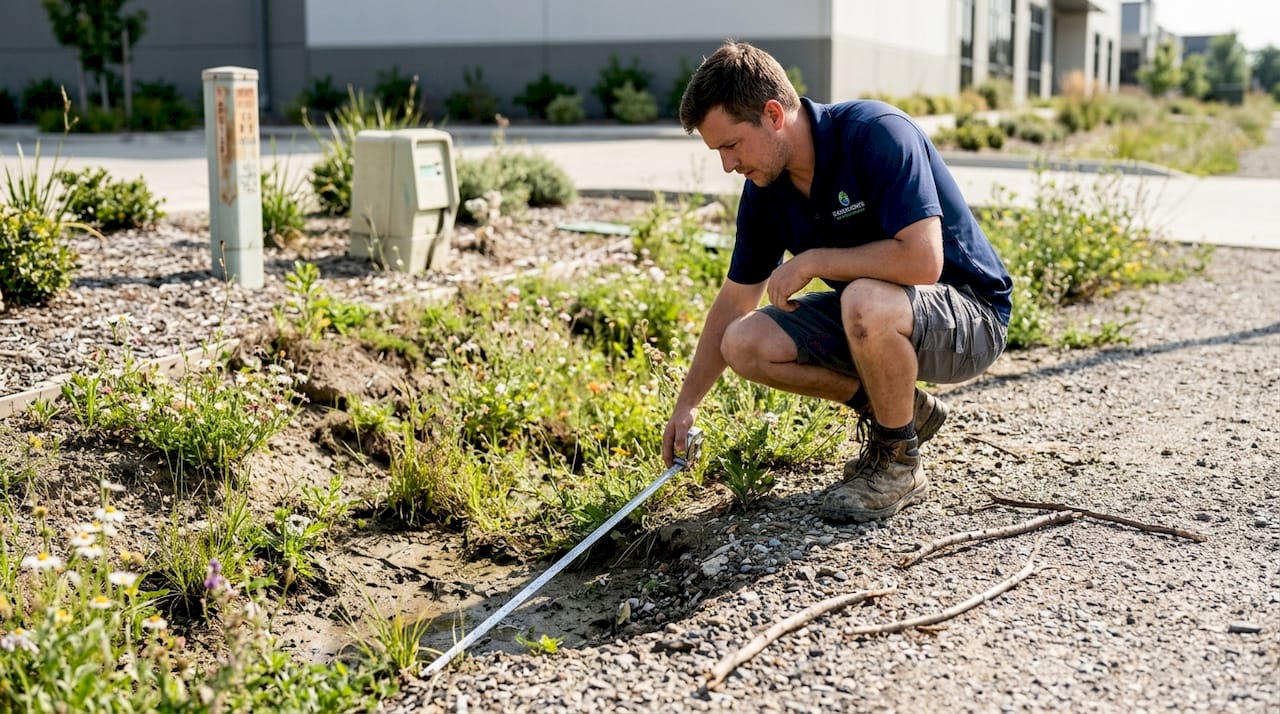
The results are not theoretical. Case studies have measured stormwater capture, soil organic matter improvement, and direct irrigation offsets on implemented projects, confirming that environmental landscaping delivers quantifiable outcomes.
Measured benefits at a glance:
| Benefit category | What research shows |
|---|---|
| Water savings | Up to 50% reduction vs. conventional turf |
| Stormwater capture | Reduced runoff volume and peak flow rates |
| Soil health | Increased organic matter and microbial activity |
| Biodiversity | More pollinator and beneficial insect activity |
| Property value | Higher curb appeal and lower operating costs |
Key outcomes Lubbock property owners typically see:
- Lower monthly water bills, especially in summer
- Reduced need for fertilizers and pesticides after establishment
- Fewer erosion problems during heavy rain events
- More consistent plant health through drought cycles
- Improved habitat for native birds, bees, and beneficial insects
One number worth remembering: conventional Kentucky bluegrass or St. Augustine lawns in arid climates can require two to three times the water of a well-designed native or adapted landscape. In a city where summer water restrictions are increasingly common, that's not a small difference.
For a property-wide perspective, understanding how to maintain these benefits across all four seasons is essential. The Lubbock landscaping year-round guide walks through how seasonal timing affects plant establishment and resource use. And if you're evaluating which services to invest in, reviewing Lubbock landscaping services helps clarify where professional help delivers the most value.
The long-term property value effect is real but slow. Most homeowners see cost savings within two to three years of establishment, while the ecological benefits, like healthier soil and increased pollinator activity, build gradually over years.
Overcoming challenges: Maintenance, myths, and local realities
While the benefits are clear, there are important realities and myths you should be aware of, especially in a climate like Lubbock's.
The biggest myth in environmental landscaping is the idea that "low-input" means you can walk away and let nature handle everything. Low-input does not mean zero maintenance. Proper establishment and ongoing management are still required, particularly during the first one to two years when plants are getting rooted.
Common challenges and how to handle them:
- Establishment watering. Even drought-tolerant plants need consistent moisture for the first growing season. Skipping this is the top reason environmental landscapes fail early.
- Weed pressure. Bare soil invites weeds. Mulching immediately after planting and maintaining mulch depth through the season is non-negotiable.
- Aesthetic expectations. Some clients expect instant results. Environmental landscapes often look sparse the first year and fill in over time. Set expectations clearly upfront.
- Irrigation fine-tuning. A drip system installed incorrectly can under-water or over-water just as badly as a spray system. Audit it every season.
- Mowing adjustments. Native grasses often require different mowing heights and frequencies than traditional turf. Follow species-specific guidelines.
Pro Tip: In Lubbock's climate, the fall planting window (late September through October) gives native and adapted plants the best chance to establish root systems before summer heat arrives. Spring planting right before summer stress is the most common timing mistake we see.
"The difference between an environmental landscape that thrives and one that fails is almost never the plant list. It's whether maintenance expectations were set correctly from day one."
For a practical breakdown of what ongoing care actually looks like, the Lubbock landscape maintenance guide is a solid reference. General outdoor maintenance tips also help you stay ahead of seasonal issues that can undermine an otherwise well-designed yard.
The uncomfortable truth about environmental landscaping in Lubbock
Here's something most landscaping articles won't say directly: the majority of environmental landscaping projects in West Texas do not fail because of poor plant choices or bad soil. They fail because of misaligned expectations and inconsistent follow-through.
Property owners hear "low-maintenance" and mentally translate it to "hands-off." That framing sets up a project for failure almost every time. The real opportunity in environmental landscaping is not eliminating maintenance. It's replacing high-effort, high-cost tasks (like deep watering every week) with smarter, less frequent ones.
Lubbock's heat and drought are genuinely hard on plants. But those conditions are predictable, which means a well-planned landscape can be designed around them. The key is being honest about your actual capacity for upkeep before you commit to a plant palette or irrigation system. If you want to restore your Lubbock lawn using these principles, start with a realistic maintenance plan, not just an ambitious plant list.
Right plant, right place, realistic timeline. That's the framework that actually produces results here.
Get hands-on support for your Lubbock landscape
Understanding environmental landscaping is one thing. Putting it into practice across a real Lubbock property, with caliche soil, summer heat, and water restrictions, takes hands-on experience and a plan that matches your specific goals.

Only Mow works with both residential homeowners and commercial property managers across Lubbock to design, establish, and maintain landscapes that perform season after season. As the official vendor for the City of Lubbock, we bring local expertise that generic landscaping advice simply cannot replicate. Whether you need a full yard assessment, seasonal maintenance, or targeted improvements like mulching and irrigation setup, our team is ready to help. Visit Only Mow's Lubbock lawn care services to schedule a consultation or request a quote today.
Frequently asked questions
What's the difference between environmental and traditional landscaping?
Environmental landscaping prioritizes sustainability, local ecosystems, and resource efficiency, while traditional landscaping often emphasizes appearance and may require more water, chemicals, and ongoing inputs. Environmental landscaping focuses on ecological function and balanced resource use, not just curb appeal.
Do I need to use only native plants in environmental landscaping?
No, the best practice is to use both native and well-adapted plants that thrive in local conditions with minimal resources and maintenance. Plant selection should fit local soils and climate to keep inputs low and plant health high.
How does environmental landscaping help with water conservation in Lubbock?
By choosing the right plants, optimizing irrigation, and adding mulch, environmental landscaping can significantly reduce water use compared to conventional yards. Xeriscaping includes water-efficient design and maintenance methods tailored to Texas conditions, making it especially effective in Lubbock's dry climate.
Does low-maintenance landscaping mean I never need to do yard work?
Low-maintenance means less frequent and less intensive care, but ongoing maintenance like watering, mowing, and weed management is still essential, especially in drought climates. Low-input does not mean zero maintenance, and skipping establishment care is the fastest way to lose a new landscape.