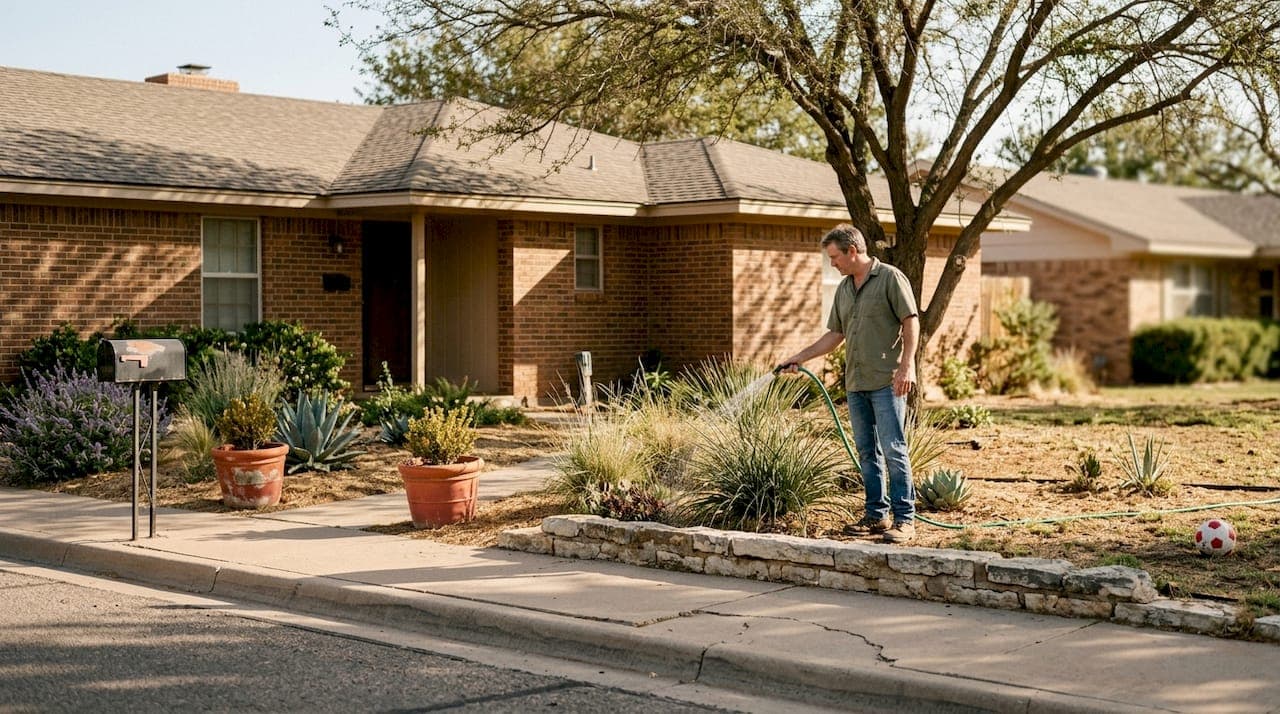
Transforming your outdoor space in Lubbock requires more than just good intentions. The semi-arid climate, intense summer heat, and occasional drought conditions demand smart landscaping choices that balance beauty with practicality. Whether you're preparing to sell or simply want to enjoy your yard more, the right landscaping approach can significantly increase your property value while reducing maintenance headaches. This guide walks you through creative, climate-appropriate ideas that work specifically for Lubbock homes, helping you make informed decisions that deliver lasting results and genuine curb appeal.
Table of Contents
- How to choose landscaping ideas for Lubbock homes
- Top 5 creative landscaping ideas for Lubbock homes
- Comparing landscaping features: plants, hardscaping, and lawn care
- Choosing the right landscaping approach for your budget and style
- Enhance your Lubbock home landscaping with Only Mow
- Frequently asked questions about landscaping in Lubbock
Key takeaways
| Point | Details |
|---|---|
| Climate-appropriate plants | Drought-tolerant native species thrive in Lubbock's conditions while reducing water bills and maintenance time |
| Strategic hardscaping | Permeable pavers and rock features increase usable outdoor space while conserving water and adding visual interest |
| Professional maintenance | Regular lawn care services boost property values by maintaining consistent curb appeal throughout the year |
| Phased improvements | Breaking projects into manageable stages allows homeowners to spread costs while achieving professional results |
How to choose landscaping ideas for Lubbock homes
Selecting the right landscaping approach starts with understanding what actually works in West Texas. Lubbock's semi-arid climate brings unique challenges that eliminate many traditional landscaping options popular in wetter regions. You need strategies that embrace local conditions rather than fight them.
Lubbock receives only 19 inches of annual rainfall, far below the national average. Summer temperatures regularly exceed 95°F, creating extreme evaporation rates that stress most conventional lawns and ornamental plants. Your soil likely contains high clay content with alkaline pH levels, limiting which plants will establish strong root systems. These factors aren't obstacles but rather design parameters that guide smart choices.
Water efficiency should drive every landscaping decision you make. Native Texas plants evolved specifically for these conditions, requiring minimal irrigation once established. Buffalo grass, blue grama, and sideoats grama provide attractive groundcover without constant watering. Shrubs like Texas sage, yucca, and desert willow deliver color and structure while tolerating drought periods that would kill traditional landscape plants.
Sun exposure varies dramatically across your property. South and west-facing areas receive punishing afternoon heat, making them ideal for xeriscaping with rocks, succulents, and heat-loving perennials. North and east sections offer partial shade where you can incorporate slightly more water-dependent plants. Map your yard's microclimates before purchasing anything.
Hardscaping elements solve multiple problems simultaneously. Patios, walkways, and retaining walls reduce the square footage requiring irrigation while creating functional outdoor living spaces. Permeable pavers allow rainwater infiltration, reducing runoff and helping whatever plants you do include. Rock mulch beds suppress weeds and moderate soil temperature without decomposing like organic mulches in our intense heat.
Maintenance level directly impacts long-term satisfaction. Be honest about how much time you'll invest in watering, pruning, and seasonal care. Lawn care and landscape choices impact property retention and value, but only if you maintain them consistently. A simple, well-maintained xeriscape beats an elaborate traditional garden that becomes an eyesore within months.
Your home's architectural style should influence plant selection and hardscape materials. Ranch-style homes pair beautifully with natural stone and native grasses. Contemporary designs benefit from clean lines created with concrete pavers and sculptural agaves. Traditional homes can incorporate more structured beds with defined borders and seasonal color rotations.
Pro Tip: Visit established Lubbock neighborhoods during different seasons to see which landscapes maintain their appeal year-round versus those that look great only in spring.
Top 5 creative landscaping ideas for Lubbock homes
These five approaches deliver maximum impact while respecting Lubbock's climate realities. Each idea addresses specific challenges homeowners face while offering flexibility for different budgets and aesthetic preferences.
-
Xeriscaping with native Texas plants: Replace traditional turf grass with buffalo grass, which requires 75% less water than Kentucky bluegrass. Incorporate native wildflowers like Indian blanket and prairie verbena for seasonal color without constant deadheading. Cluster plants with similar water needs together, creating irrigation zones that prevent waste. This approach typically reduces water bills by $40 to $80 monthly during summer while eliminating most fertilizer costs.
-
Installing permeable pavers for patios or walkways: These interlocking units allow rainwater to filter through joints into soil below rather than running off into streets. You gain usable outdoor living space that doesn't contribute to urban heat island effects. Pavers come in numerous colors and patterns, letting you match any home style. They also eliminate muddy pathways during spring rains and provide stable surfaces year-round.
-
Using mulch and rock beds to retain moisture and reduce weeds: A three-inch layer of decomposed granite or river rock dramatically reduces soil moisture evaporation while suppressing weed germination. Unlike organic mulches that break down rapidly in our heat, rock mulch lasts indefinitely with minimal replenishment. Strategic placement around foundation plantings and in high-visibility areas creates clean, defined landscape beds that always look intentional.
-
Using drought-tolerant landscaping reduces water use and maintenance costs, particularly when you create shaded seating areas with drought-resistant trees. Afghan pine, bur oak, and Texas red oak provide substantial shade once established while tolerating our soil and climate. Position them on your home's west side to reduce afternoon heat gain, lowering cooling costs. Under-plant with shade-tolerant natives like Turk's cap or coral honeysuckle for layered interest.
-
Adding seasonal flowering plants for year-round color: Rotate cold-hardy pansies and ornamental kale in winter, then switch to heat-loving zinnias, lantana, and purslane for summer. This strategy concentrates color in high-visibility areas near entries and along walkways without requiring full-yard irrigation. Container plantings offer even more flexibility, letting you move color as needed and protect sensitive plants during extreme weather.
Pro Tip: Start with one complete area rather than spreading efforts across your entire yard. A fully finished front bed makes more impact than partial work everywhere.
Comparing landscaping features: plants, hardscaping, and lawn care
Understanding the tradeoffs between different landscaping elements helps you allocate resources effectively. This comparison focuses on factors most relevant to Lubbock homeowners balancing aesthetics, maintenance, and budget.
| Feature | Installation Cost | Annual Maintenance | Water Requirements | Property Value Impact |
|---|---|---|---|---|
| Native plant beds | $3-$8 per sq ft | Low ($200-$400) | Minimal after establishment | Moderate to high |
| Traditional turf lawn | $0.50-$2 per sq ft | High ($800-$1,500) | Very high (1-2 inches weekly) | Moderate |
| Permeable paver patio | $12-$20 per sq ft | Very low ($50-$150) | None | High |
| Rock/mulch beds | $2-$5 per sq ft | Very low ($100-$250) | None | Moderate |
| Shade trees (mature) | $200-$800 per tree | Low ($100-$300) | Moderate during establishment | Very high |
Drought-tolerant native plants require significant upfront investment compared to seeding a traditional lawn, but they pay dividends through reduced water bills and minimal ongoing care. Once established, most natives survive on rainfall alone except during severe drought. Traditional lawns demand consistent irrigation, regular mowing, seasonal fertilization, and periodic renovation, making them the most expensive option long-term.
Hardscaping delivers the strongest immediate impact on curb appeal and usability. A well-designed patio or walkway system creates defined outdoor rooms that buyers recognize as valuable living space. Proper lawn maintenance enhances curb appeal and property values, but hardscaping provides structure that remains attractive regardless of seasonal plant performance.
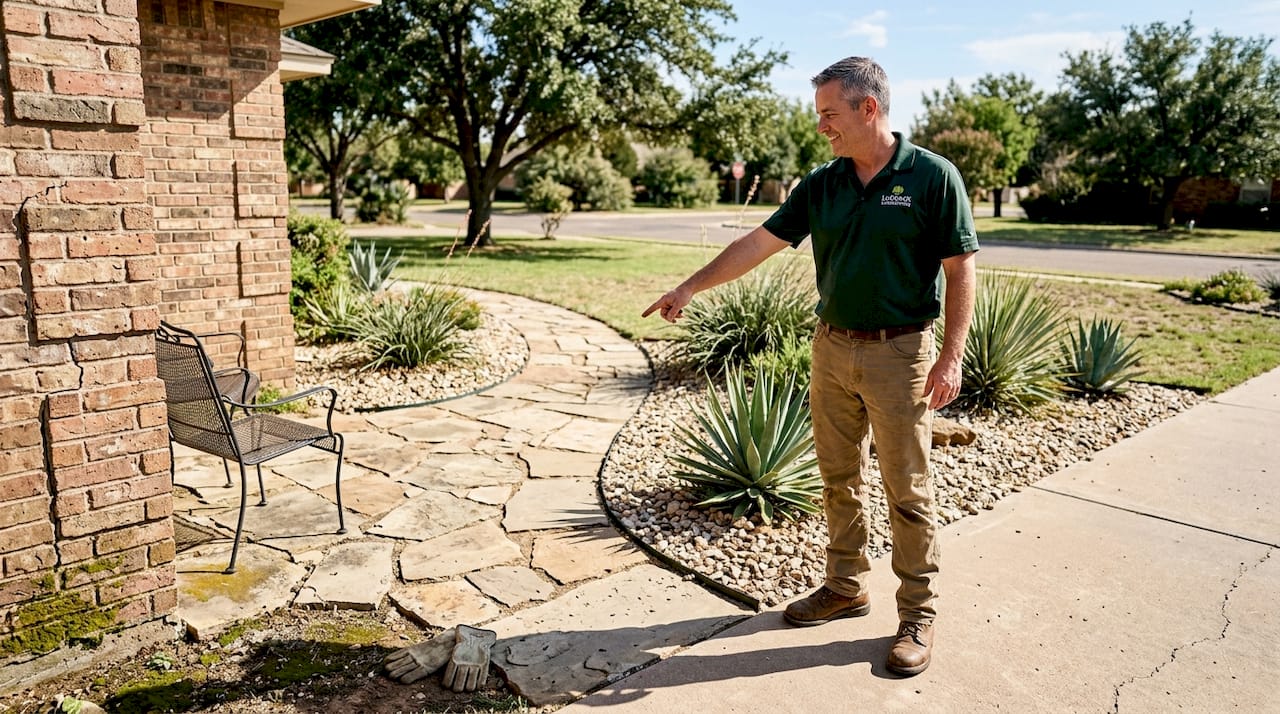
Maintenance requirements vary dramatically. Rock beds and hardscaping need occasional weeding and debris removal but otherwise remain attractive indefinitely. Native plantings require seasonal pruning and occasional supplemental watering during establishment. Traditional lawns demand weekly attention during growing season, making them impractical for busy homeowners or investment properties.
Shade trees offer unique value by reducing cooling costs while increasing property values substantially. Mature trees can add $1,000 to $10,000 to home values depending on species, size, and placement. They take years to reach full size, making them long-term investments best suited for homeowners planning to stay put.
Choosing the right landscaping approach for your budget and style
Matching landscaping ideas to your specific situation requires balancing immediate costs against long-term value and maintenance realities. Start by establishing a realistic total budget that includes both installation and at least two years of maintenance expenses. Many homeowners underestimate ongoing costs, leading to neglected landscapes that diminish rather than enhance property values.
Prioritize projects that maximize curb appeal from the street. Your front yard and entry area generate the strongest first impressions, making them worthy of disproportionate investment. A polished front landscape paired with a simple, functional backyard outperforms mediocre work spread across your entire property. Focus resources where they'll be seen most.
Consider mixing professional installation with DIY maintenance to control costs. Hardscaping and major grading work typically require professional expertise and equipment, but you can handle plant installation, mulching, and routine care yourself. Investing in appropriate landscape design can increase home value by 10% to 15%, making professional help worthwhile for complex projects.
Your home's architectural style should guide material and plant selections. Mid-century ranch homes look best with natural stone, native grasses, and informal plantings that echo the surrounding landscape. Contemporary homes benefit from clean geometric lines, concrete pavers, and sculptural plants like agaves or ornamental grasses. Traditional styles can incorporate more formal elements like boxwood hedges and symmetrical beds.
Phased improvements spread costs while maintaining momentum. Complete one section fully before starting another rather than leaving multiple unfinished areas. This approach lets you adjust plans based on what works, learn from mistakes without major financial consequences, and enjoy usable outdoor space sooner. A three to five year master plan keeps you focused while allowing flexibility as budgets and priorities shift.
Enhance your Lubbock home landscaping with Only Mow
Creating and maintaining beautiful, climate-appropriate landscaping requires ongoing expertise and consistent effort. Only Mow brings local knowledge and professional equipment to help Lubbock homeowners achieve their outdoor living goals without the hassle of DIY trial and error.
Our team understands which plants thrive in West Texas conditions and how to design landscapes that remain attractive through scorching summers and occasional freezes. Whether you need regular mowing and maintenance for existing landscapes or want to explore comprehensive landscaping services for a complete yard transformation, we tailor solutions to your specific property and budget. As the official vendor for the City of Lubbock, we've proven our reliability across hundreds of properties. Local landscaping contractors on our team live and work in your neighborhood, ensuring responsive service when you need it. Explore landscaping service options that fit your timeline and goals.
Frequently asked questions about landscaping in Lubbock
What are the best drought-tolerant plants for Lubbock?
Buffalo grass, blue grama, and sideoats grama provide excellent groundcover requiring minimal water once established. For shrubs and accent plants, Texas sage, yucca, desert willow, and various agave species thrive in our climate with little irrigation. Native wildflowers like Indian blanket, prairie verbena, and blackfoot daisy add seasonal color without constant maintenance.
How much does professional landscaping cost in Lubbock?
Basic landscape installation for a typical front yard runs $3,000 to $8,000 depending on plant selection and hardscaping elements. More extensive projects incorporating patios, retaining walls, and mature trees can reach $15,000 to $30,000. Monthly maintenance services typically cost $80 to $200 for regular mowing, trimming, and seasonal care.
Can landscaping increase my home's resale value?
Professional landscaping typically returns 100% to 200% of investment when selling your home. Mature trees alone can add $1,000 to $10,000 in appraised value. Well-maintained landscapes also help homes sell faster by creating strong first impressions that draw buyers inside. The key is choosing appropriate, well-maintained features rather than elaborate designs requiring constant care.
How often should I water my lawn during Texas summers?
Established buffalo grass lawns need only one inch of water weekly during peak summer heat, applied in one or two deep soaking sessions rather than daily light watering. Traditional turf grasses require 1.5 to 2 inches weekly. Water early morning to minimize evaporation. Native plant beds need supplemental water only during extended drought once roots establish. Check spring lawn care tips for seasonal guidance.
What maintenance schedule is recommended for new landscaping?
Newly installed plants need consistent moisture for the first growing season, typically requiring water two to three times weekly. Reduce frequency as roots establish, transitioning to drought-tolerant watering schedules by the second year. Apply fresh mulch annually to suppress weeds and moderate soil temperature. Prune shrubs and perennials seasonally to maintain shape and encourage healthy growth.