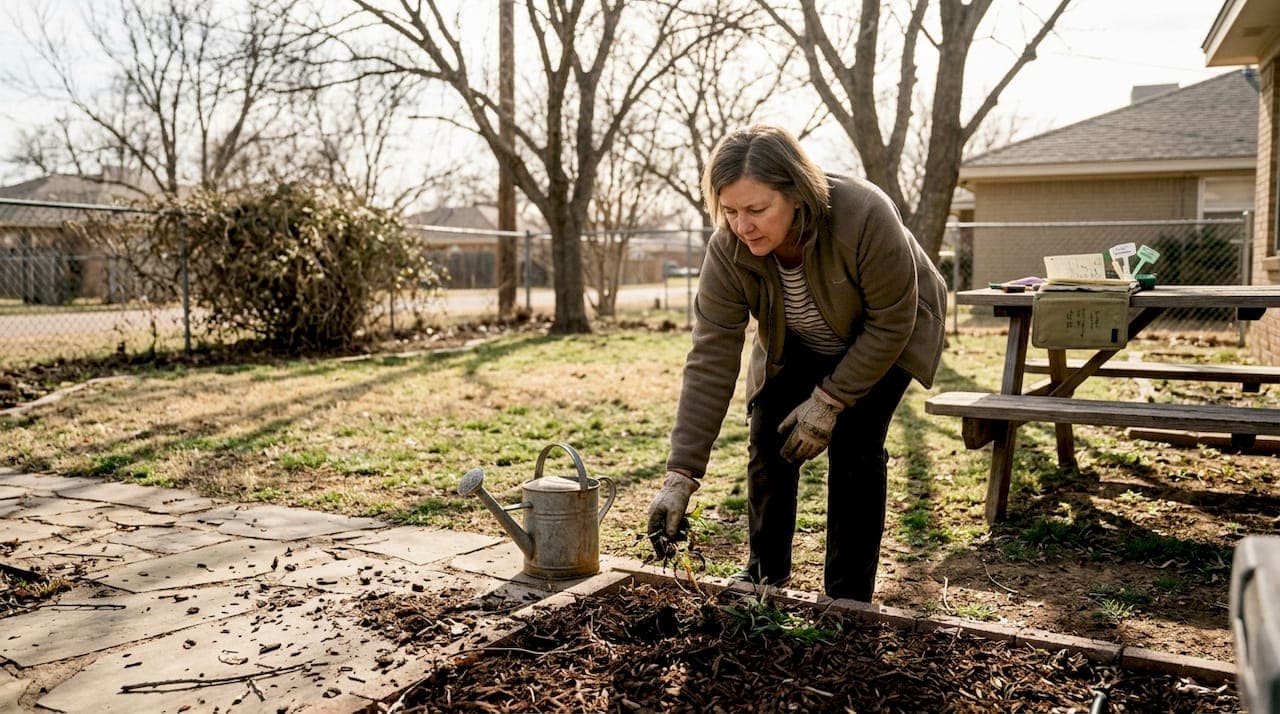
TL;DR:
- Lubbock's climate requires precise timing for planting, pruning, and winter preparations.
- Native plants and drought-tolerant strategies help create resilient, low-maintenance yards.
- Seasonal tasks and flexible planning are key to thriving landscapes in West Texas.
Keeping your yard looking great in Lubbock is genuinely harder than it sounds. The wind whips through in February, summer temperatures push past 100°F, and a surprise late frost can wipe out weeks of work in one night. Most homeowners either over-invest in plants that won't survive or under-prepare and watch their yard go dormant and patchy. This guide walks you through every season with practical, locally relevant steps so you can stop guessing and start growing. You'll learn exactly when to plant, prune, water, and prepare, cutting wasted effort and giving your outdoor space the best possible chance to thrive all year long.
Table of Contents
- Know your seasons: Climate overview and key timing
- Winter tasks: Pruning, prep, and cold-season planting
- Spring into action: Planting, prep, and early growth
- Surviving the heat: Summer maintenance and drought strategies
- Fall: Prepping for dormant months and planning ahead
- A West Texas landscaping truth: It's about working with nature, not against it
- Get expert help for hands-off seasonal perfection
- Frequently asked questions
Key Takeaways
| Point | Details |
|---|---|
| Know your zone | Lubbock’s planting success depends on recognizing frost dates and choosing climate-adapted plants. |
| Time pruning right | Winter pruning means healthier growth and less plant stress in spring and summer. |
| Spring is for soil prep | Thorough soil preparation and proper timing set the stage for lush growth and easier summer care. |
| Choose drought-tolerant plants | Selecting native, water-wise species keeps your landscape thriving through West Texas heat waves. |
| Plan for all four seasons | Adjust your landscaping routine to match Lubbock’s seasons for consistent beauty and low maintenance. |
Know your seasons: Climate overview and key timing
Lubbock's climate is not forgiving, but it is predictable once you understand it. The city sits in USDA Hardiness Zones 7a/7b, with approximately 210 frost-free days per year. That's a solid growing window, but the margins matter. The last spring freeze typically falls in early April, and the first fall freeze arrives around late October. Miss those windows and you risk losing plants, wasting money, and starting over.
Understanding these dates is the single most important thing you can do before buying a single plant or bag of soil. Timing your seasonal lawn clean-up around these benchmarks prevents costly mistakes and keeps your yard on track.
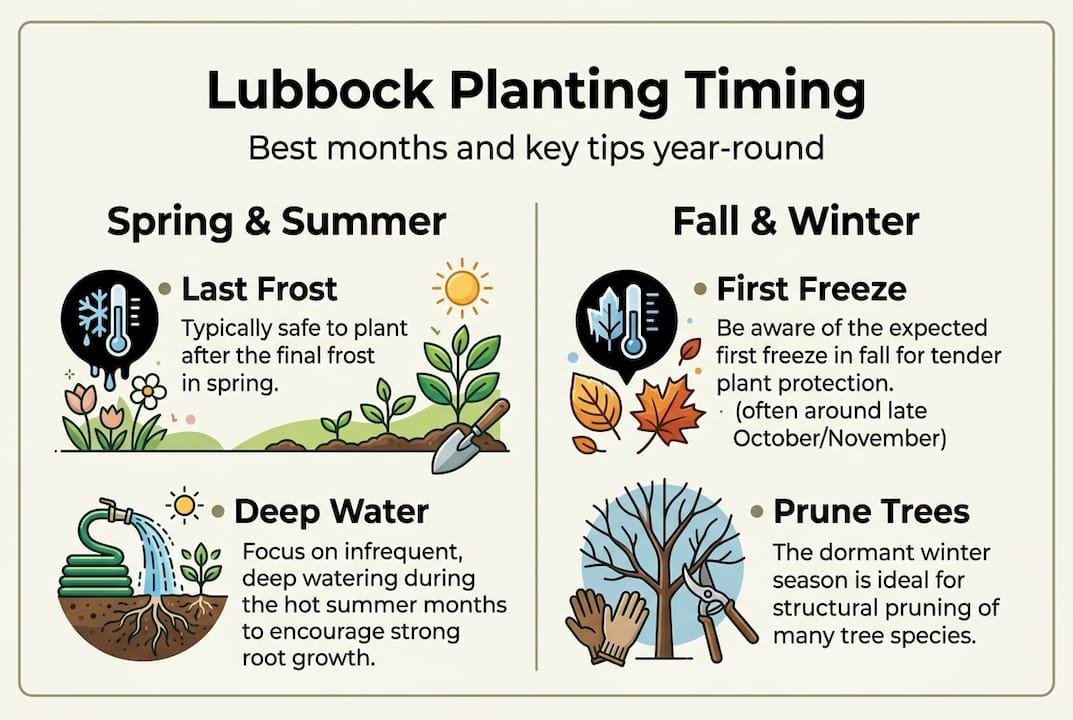
Lubbock seasonal quick-reference table
| Month | Freeze risk | Key tasks |
|---|---|---|
| Jan–Feb | High | Prune dormant trees, plan garden beds |
| Mar–Apr | Moderate (last freeze ~April) | Start cool-season plants, prep soil |
| May–Jun | Low | Plant warm-season crops, fertilize lawn |
| Jul–Aug | None | Water deeply, manage weeds, minimal pruning |
| Sep–Oct | Low to Moderate | Overseed, mulch, winterize irrigation |
| Nov–Dec | High (first freeze ~Oct 30) | Final cleanup, tool storage, bed protection |
Pro Tip: Mark April 1 and October 30 on your calendar right now as your personal "safe planting window" boundaries. Everything you plant should go in or come out with those dates in mind.
Lubbock also sits in a semi-arid zone, meaning rainfall averages just 18 inches per year. That low moisture, combined with intense summer heat and occasional late-season cold snaps, means you need a plan that works with the climate, not against it.
Winter tasks: Pruning, prep, and cold-season planting
With your seasonal calendar set, it's time to start where the gardening year does in Lubbock: winter.
Winter might feel like the off-season, but it's actually one of the most productive times to set your yard up for success. Most landscape plants are dormant, which makes this the ideal window for structural pruning. Pruning during dormancy reduces plant stress by 60% compared to cutting during active growth, and it gives wounds time to seal before spring.
"Proper winter pruning reduces plant stress by 60% when timed correctly, giving plants a stronger, healthier start when growth resumes in spring."
What to prune in winter:
- Deciduous trees and shrubs (oaks, elms, crape myrtles)
- Ornamental grasses (cut back hard before new growth emerges)
- Dead or crossing branches on fruit trees
What to skip:
- Spring-blooming shrubs like forsythia or spirea (prune these right after they bloom)
- Evergreens that are actively growing in mild spells
Other essential winter tasks:
- Apply a 3-inch layer of mulch around garden beds to protect roots from freeze-thaw cycles
- Clear leaves and debris to prevent mold and pest habitat (check out these winter cleanup tips for a full breakdown)
- Sharpen and sanitize all pruning tools before use
Pro Tip: Wipe pruner blades with rubbing alcohol between cuts, especially when trimming multiple plants. This stops fungal and bacterial diseases from spreading from one plant to the next.
If you want to grow vegetables in winter, cool-season crops like kale, spinach, and Swiss chard can survive Lubbock winters with a little protection. Use row covers or cold frames to shield them from hard freezes and you'll have fresh greens well before spring.
Spring into action: Planting, prep, and early growth
With winter chores behind you, get ready for the busiest and most rewarding phase: spring.
Spring in Lubbock moves fast. Temperatures swing wildly in March, and by May the heat is already building. Your job is to move quickly once conditions are right, without jumping the gun before the last freeze clears.
Step-by-step spring prep:
- Test your soil pH and amend with compost or fertilizer as needed
- Clear winter mulch from garden beds once nighttime temps stay above 40°F
- Overseed bare lawn patches once soil temperature reaches 55°F
- Wait until after April 1 to plant warm-season vegetables and annuals
- Apply pre-emergent weed control before soil temperatures hit 55°F consistently
After the last frost, plant tomatoes, peppers, beans, and cucumbers for a productive summer garden. The Texas A&M vegetable planting guide is a solid resource for timing specifics by crop.
Spring planting comparison table
| Crop/plant | Best planting time | Expected result |
|---|---|---|
| Tomatoes | Late April to early May | Harvest by July |
| Peppers | Early May | Harvest August onward |
| Bermuda grass seed | Mid-April | Full coverage by June |
| Marigolds/zinnias | Late April | Color through fall |
| Cucumbers | Early May | Quick 60-day harvest |
Pro Tip: Don't rush planting because of a warm week in March. One late freeze can kill tender transplants overnight. Patience here saves you money and frustration.
For a full breakdown of what to do before and after the last freeze, the spring lawn care tips guide and lawn care checklist are worth bookmarking.
Surviving the heat: Summer maintenance and drought strategies
After a successful spring, it's time to tackle the most demanding season: summer.
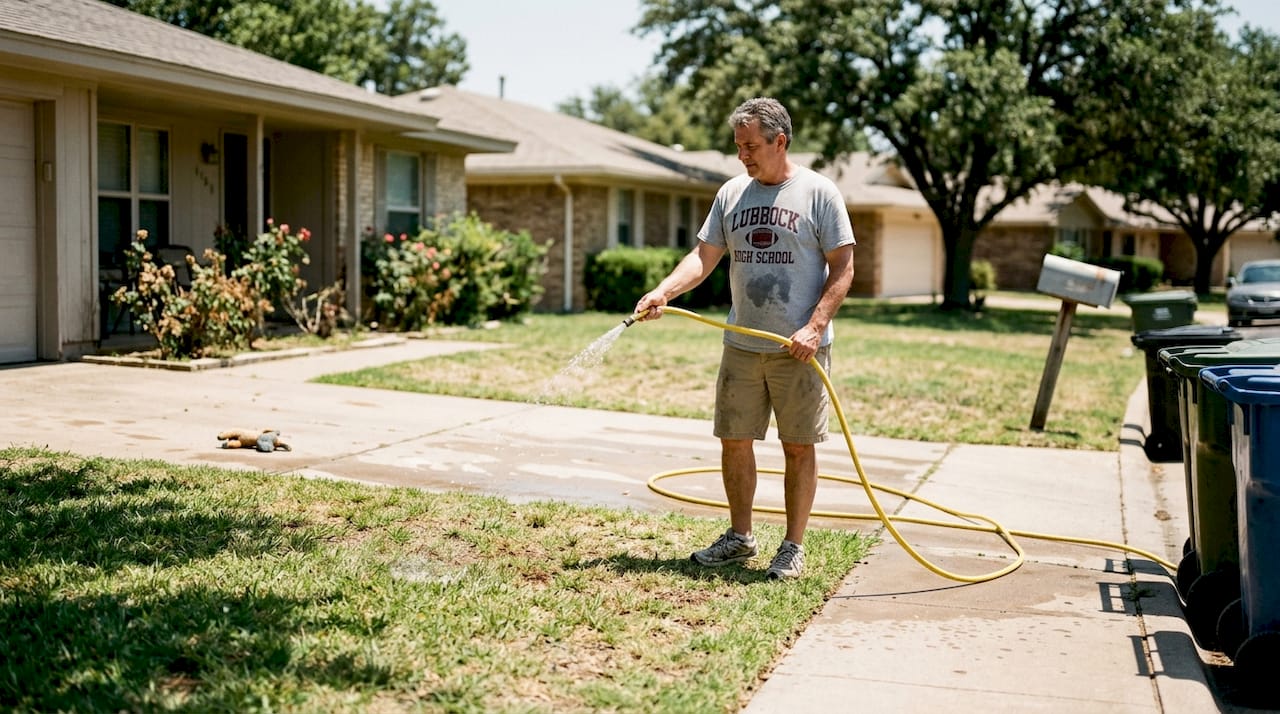
Lubbock summers are relentless. Triple-digit heat, drying winds, and stretches without rain can stress even established plants. The goal shifts from growing to protecting, and smart water management becomes your most important tool.
Drought-tolerant plants that thrive in Lubbock summers:
- Texas Sage (also called Cenizo): blooms after rain, needs almost no water
- Autumn Sage: low water, hummingbird magnet, blooms all season
- Yaupon Holly: tough, evergreen, handles both heat and occasional cold
- Vitex: fast-growing, fragrant purple blooms, extremely drought tolerant
- Cedar Elm: one of the best drought-tolerant trees for West Texas
- Texas Red Oak: stunning fall color, deep roots that handle dry summers
For vegetables, heat-tolerant crops like okra, sweet potatoes, and black-eyed peas are your best summer options. They actually perform better in heat than most other crops.
Watering and mulch strategy:
Water deeply 1 to 2 times per week rather than lightly every day. Deep watering encourages roots to grow down where soil stays cooler and moister. Early morning watering, before 9 a.m., reduces evaporation significantly. Drip irrigation is the most efficient option for garden beds. And mulch is your secret weapon: a 3-inch layer of organic mulch conserves soil moisture, lowers soil temperature, and prevents erosion all at once. Learn more about sustainable summer lawn care to stretch every drop of water further.
Avoid major pruning during summer heat. Focus instead on regular mowing at the right height (3 to 3.5 inches for Bermuda grass), consistent weed control, and keeping irrigation equipment working properly. For more plant selection tips, lean toward native and adapted species that won't need constant babysitting.
Fall: Prepping for dormant months and planning ahead
After enduring the summer heat, autumn is your window to wrap up the season and plan for success next year.
Fall is underrated in Lubbock landscaping. Temperatures cool, plants recover from summer stress, and the soil is still warm enough to support root growth. It's also your last real chance to set up your yard before the ground hardens and Lubbock's first freeze arrives around late October.
Fall landscaping checklist:
- Rake and remove leaves before they mat down and smother grass
- Overseed thin or bare lawn areas in September while soil is still warm
- Apply a final round of mulch to garden beds before the first freeze
- Cut back spent perennials and remove dead annuals
- Winterize your irrigation system before temperatures drop below freezing
- Repair any irrigation leaks or broken heads while conditions are still comfortable
- Store and clean all tools, sharpen blades, and oil moving parts
Fall is also the best time to plant trees and shrubs. The cooler air reduces transplant stress while warm soil encourages root establishment before winter. A tree planted in October has a serious head start over one planted in spring.
Pro Tip: Keep a simple garden log this fall. Write down what worked, what died, and what surprised you. Even a few notes on your phone will help you make smarter decisions next year. Check the fall lawn clean-up guide for a detailed task list.
A West Texas landscaping truth: It's about working with nature, not against it
Here's something most landscaping guides won't tell you: the homeowners with the best-looking yards in Lubbock are not the ones spending the most money or the most hours outside. They're the ones who stopped fighting the climate and started designing around it.
We've seen it play out over and over. Someone spends hundreds on lush, water-hungry plants that look amazing in May and are dead by August. Then a neighbor with Texas Sage, native grasses, and cedar mulch barely lifts a finger and their yard looks better in September than it did in spring.
The truth is that a flexible plan beats a perfect plan every time. Some years the last freeze comes in mid-April. Some summers bring unexpected rain. Some falls are warm enough to plant well into November. Rigid schedules fail when the weather doesn't cooperate. Adaptable ones don't.
Embracing eco-friendly strategies and native plants is not about settling for less. It's about building a landscape that recovers quickly, requires less input, and still looks great. Celebrate small wins. A healthier lawn this October than last October is progress worth recognizing.
"The most resilient landscape is one that respects the natural rhythm and climate of West Texas."
Get expert help for hands-off seasonal perfection
Staying on top of all four seasons is a real commitment, and life gets busy. Whether you want to handle most tasks yourself but need backup at the hard parts, or you'd rather hand the whole thing off to someone who knows Lubbock's landscape inside and out, Only Mow is here for it.

As the official vendor for the City of Lubbock, Only Mow brings professional-grade lawn care and seasonal services to residential yards across the area. From Lubbock lawn services like mowing, clean-ups, and flower planting to full yard restoration and pre-emergent weed control, the team handles the heavy lifting so you don't have to. Want to grow your services over time or bring in a local pro for a specific season? You can easily find a landscaper who fits your needs and schedule. Your best yard yet is closer than you think.
Frequently asked questions
When is the best time to start planting in Lubbock?
Begin planting most vegetables and annuals after the last spring freeze in early April, and always check soil temperature before starting to make sure conditions are right.
Which drought-tolerant plants work best in Lubbock, TX?
Texas Sage, Yaupon Holly, Autumn Sage, Cedar Elm, Vitex, and Texas Red Oak are excellent choices that handle Lubbock's hot, dry summers without constant watering.
How do I protect plants from Lubbock's early or late freezes?
Use mulch and fabric covers as insulation, and plan all planting around the average freeze dates in early April and late October to avoid damage.
Can I grow vegetables in winter in Lubbock?
Yes, cool-season vegetables like kale and spinach can survive Lubbock winters when protected with row covers or cold frames during hard freezes.
How often should I water my lawn in summer?
Water deeply 1 to 2 times per week early in the morning, and use mulch or drip irrigation to conserve soil moisture and reduce evaporation during peak heat.
Recommended
- Seasonal lawn clean-up for healthier Lubbock yards
- Outdoor maintenance guide for Lubbock homeowners 2026
- Streamline landscaping workflow for Lubbock managers
- What is landscape maintenance? A 2026 guide for Lubbock
- Stop the Seasonal Slowdown: Keep Your Lawn Care Business Busy Year-Round - Aim Set Win