
Managing multiple properties means juggling dozens of landscaping tasks that directly impact tenant satisfaction and property value. Without efficient workflows, you risk inconsistent maintenance, surprise repair costs, and vendor accountability issues. This guide delivers practical systems for planning, executing, and verifying landscaping operations tailored to Lubbock's climate, helping you maintain beautiful properties while controlling costs and ensuring reliable vendor performance.
Table of Contents
- Key Takeaways
- Preparing your landscaping workflow: tools, schedules, and budgeting
- Executing landscaping tasks efficiently with digital workflows and checklists
- Managing seasonal challenges: drought, winter damage, and sustainable practices in Lubbock
- Verifying results and optimizing your landscaping workflow continuously
- Discover expert landscaping services tailored for Lubbock property managers
- Frequently asked questions
Key Takeaways
| Point | Details |
|---|---|
| Standardized schedules | Clear weekly monthly quarterly and annual tasks assign responsibilities and enable consistent upkeep across properties. |
| Digital workflow platforms | Centralize scheduling, vendor communication, and photo verified task completion to improve accountability and reduce back and forth. |
| Budgeting with contingencies | Plan for baseline costs plus a ten to fifteen percent contingency to cover repairs and weather related surprises. |
| Seasonal contract timing | Seasonal pricing in Lubbock favors November through February, and securing annual contracts then can save fifteen to twenty percent. |
Preparing your landscaping workflow: tools, schedules, and budgeting
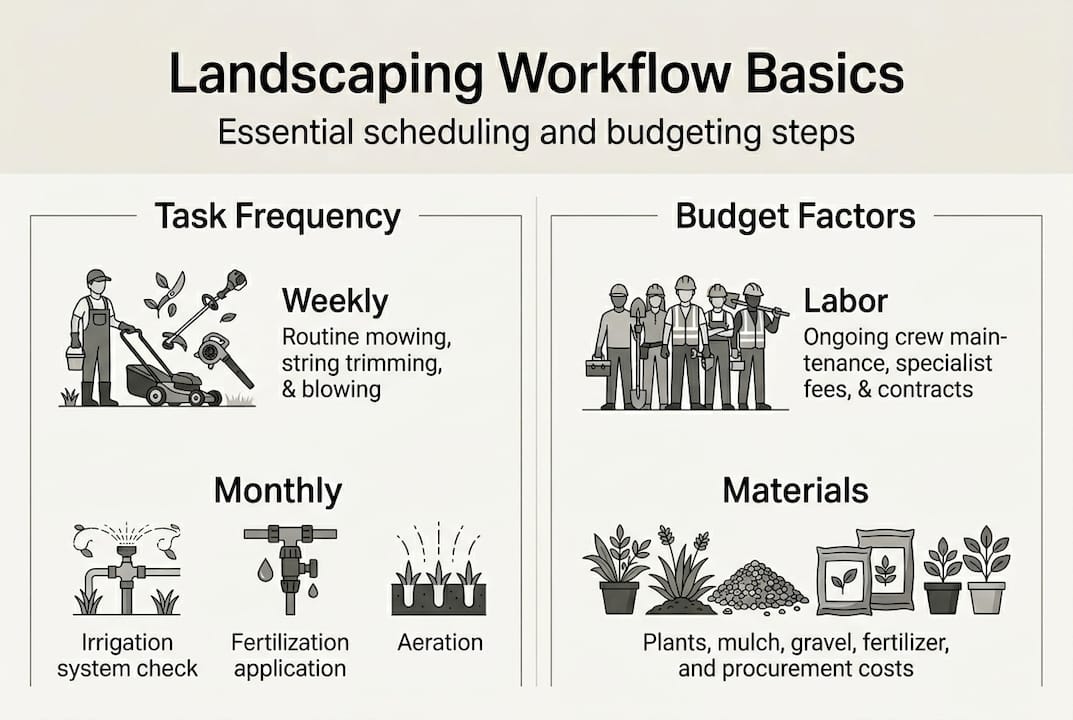
Successful landscaping management starts with clear schedules and the right digital infrastructure. Standard landscaping workflow involves weekly mowing, monthly irrigation checks, quarterly fertilization, and annual repairs. Breaking tasks into frequency categories helps you assign responsibilities and track completion systematically.
Weekly tasks include mowing, edging, debris removal, and visual inspections for irrigation leaks or pest damage. Monthly activities cover detailed irrigation system checks, shrub pruning, and weed control application. Quarterly work involves fertilization, mulch replenishment, and seasonal planting updates. Annual projects include tree trimming, hardscape repairs, irrigation system upgrades, and comprehensive landscape assessments.
Digital tools transform how you coordinate these activities. Property management platforms like Pro Contractor Studio centralize scheduling, vendor communication, and task verification. You can assign specific tasks to vendors, set completion deadlines, and require photo documentation before approval. This creates accountability and eliminates the back-and-forth of phone calls and emails.
Budgeting requires understanding both baseline costs and contingency planning. Texas commercial landscaping costs typically range from $3,000 to $16,000 annually per property depending on size and complexity. Installation projects like new planting beds or irrigation zones add $2,000 to $8,000. Always include a 10-15% contingency for unexpected repairs, storm damage cleanup, or equipment failures.
| Task frequency | Example activities | Estimated annual cost per property |
|---|---|---|
| Weekly | Mowing, edging, debris removal | $1,200 - $3,600 |
| Monthly | Irrigation checks, pruning, weed control | $800 - $2,400 |
| Quarterly | Fertilization, mulch, seasonal planting | $600 - $1,800 |
| Annual | Tree care, hardscape repair, system upgrades | $400 - $8,200 |
Seasonal pricing varies significantly in Lubbock. Vendors often offer better rates during November through February when demand drops. Securing annual contracts during this window can save 15-20% compared to peak season pricing.
Pro Tip: Schedule vendor contract negotiations in late fall when landscaping companies actively seek winter commitments, giving you leverage to negotiate better rates and priority scheduling for the busy spring season.
For comprehensive guidance on maintaining properties year-round, explore our landscape maintenance guide for Lubbock and learn about different types of landscaping services available for commercial properties.
Executing landscaping tasks efficiently with digital workflows and checklists
Once your infrastructure is ready, execution becomes systematic. Digital property inspection software enables daily workflow management by standardizing how you document and approve vendor work. This eliminates disputes and creates clear performance records.
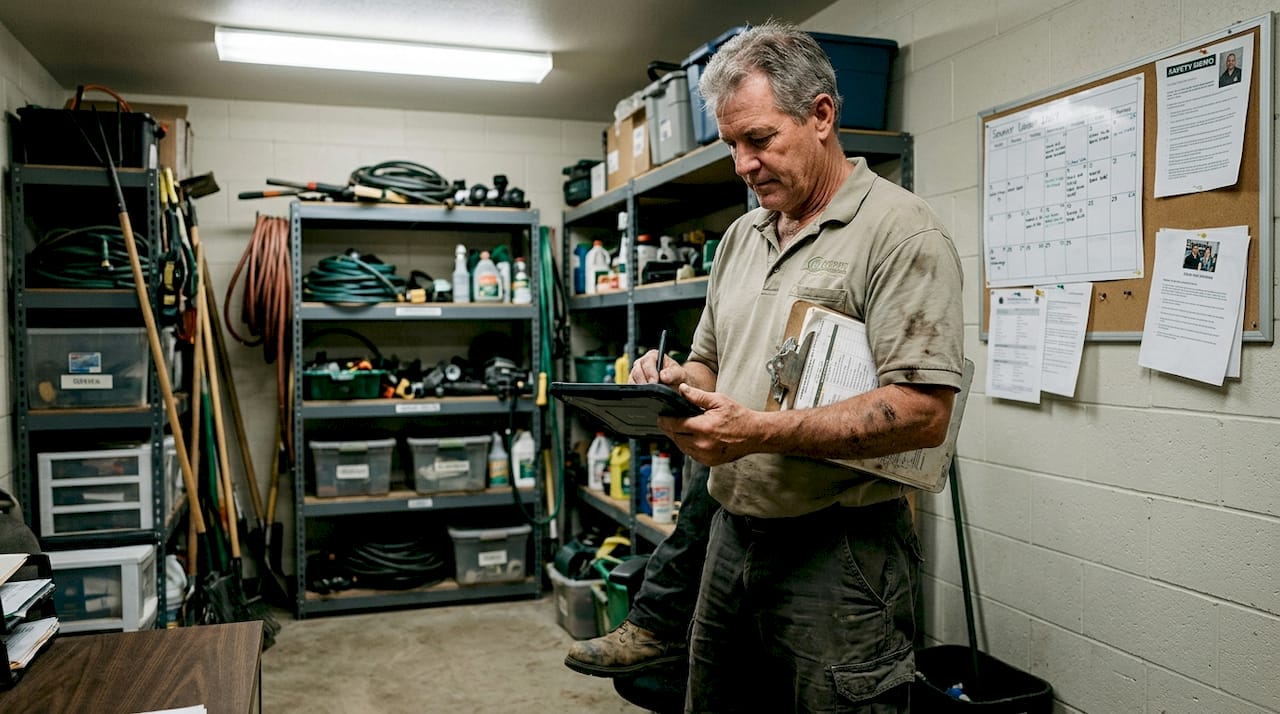
Start each week by reviewing scheduled tasks across all properties. Assign specific jobs to vendors through your digital platform, including detailed instructions and completion deadlines. For mowing services, specify blade height, edging requirements, and debris disposal expectations. For irrigation checks, list zones to inspect and leak detection protocols.
Follow this execution sequence for weekly maintenance:
- Vendor receives digital work order with property address, task list, and photo requirements
- Vendor completes tasks and uploads timestamped photos showing before and after conditions
- You review submissions through your platform, checking quality against standards
- Approve completed work or request corrections with specific notes
- System logs completion date and updates maintenance history automatically
Checklists ensure consistency across multiple properties and vendors. Create standardized checklists for each task type that vendors must complete during service visits. Include items like checking sprinkler head alignment, removing weeds from beds, inspecting tree stakes, and clearing drainage areas.
Best practices for coordinating multiple vendors:
- Assign primary responsibility for each property to one lead vendor who coordinates with specialists
- Schedule different vendor types on separate days to avoid conflicts and parking issues
- Require 24-hour advance notice before any vendor arrives on site
- Maintain a shared calendar showing all scheduled landscaping activities across your portfolio
- Establish clear communication protocols for urgent issues requiring immediate attention
- Review vendor performance monthly using completion rates and quality scores from your digital system
Digital workflows shine during seasonal transitions. When drought conditions emerge, you can instantly message all vendors to adjust mowing height and suspend fertilization. When winter damage occurs, you document issues with photos and create repair work orders that track progress until completion.
Pro Tip: Align your digital inspection schedule with seasonal workflow changes by setting automated reminders for drought preparation in May and winter damage assessment in February, ensuring you never miss critical adjustment windows.
For rental properties requiring specialized attention, review our lawn maintenance guide for Lubbock rentals to understand tenant-landlord maintenance responsibilities.
Managing seasonal challenges: drought, winter damage, and sustainable practices in Lubbock
Lubbock's climate demands proactive seasonal adjustments to prevent damage and control costs. Winter damage assessment and early February pruning are critical for identifying freeze damage before spring growth begins. Waiting until March means wasting resources on dead plant material that should have been removed earlier.
Winter preparation starts in November with final fertilization, deep watering before freeze events, and mulch application to insulate root zones. Prune trees and shrubs in late January or early February while they remain dormant. Inspect irrigation systems for cracked pipes or damaged valves that occurred during freezes. Document all damage with photos and cost estimates for budget planning.
Drought preparation requires different strategies. Aerate lawns in April before heat stress begins, allowing water to penetrate deeper into soil. Raise mowing height to 3-3.5 inches during summer months, which shades roots and reduces water evaporation. Apply mulch 3-4 inches deep around trees and shrubs to retain moisture.
Drought management essentials:
- Aerate high-traffic areas twice annually to improve water absorption
- Adjust irrigation schedules based on rainfall, reducing frequency during wet periods
- Group plants by water needs, concentrating irrigation on high-value ornamentals
- Monitor soil moisture rather than following fixed watering schedules
- Postpone fertilization during extreme heat to avoid stressing plants
Sustainable landscaping offers long-term cost advantages. Sustainable xeriscape and native plants reduce water consumption by 50-75% compared to traditional turf while requiring less mowing and fertilization. Buffalo grass, blue grama, and native wildflowers thrive in Lubbock's conditions with minimal intervention.
| Approach | Water requirements | Annual maintenance cost | Aesthetic appeal | Establishment time |
|---|---|---|---|---|
| Traditional turf | High (1.5-2 inches weekly) | $2,800-$4,200 | Uniform green lawn | 6-8 weeks |
| Xeriscape/native plants | Low (0.5 inches weekly) | $1,200-$2,000 | Natural, textured | 12-16 weeks |
Transitioning to sustainable landscaping requires upfront investment but pays dividends within two years through reduced water bills and maintenance frequency. Start by converting low-visibility areas or problem zones where turf struggles. Expand gradually as budgets allow and tenant acceptance grows.
Pro Tip: Schedule your seasonal planning meetings in October and January, during natural workflow lulls, to review damage patterns, adjust budgets, and secure vendor commitments before emergency situations force reactive decisions.
Explore our spring lawn care tips for Lubbock and comprehensive Lubbock lawn care checklist for detailed seasonal guidance.
Verifying results and optimizing your landscaping workflow continuously
Quality verification closes the loop between task assignment and actual results. Checklists and digital workflows ensure vendor accountability by creating objective standards for work completion. Without verification systems, you rely on vendor self-reporting, which often masks quality issues until tenants complain.
Implement a structured inspection process:
- Review vendor-submitted photos within 24 hours of task completion
- Conduct random on-site inspections covering 20% of completed work weekly
- Document any deficiencies with photos and specific correction requirements
- Require vendors to re-complete substandard work within 48 hours at no additional cost
- Track quality scores for each vendor using a standardized rubric
- Hold quarterly performance reviews discussing trends and improvement opportunities
Your digital platform should generate reports showing completion rates, quality scores, and cost trends across properties and vendors. Review these monthly to identify patterns. If one property consistently requires extra visits, investigate whether landscape design issues create maintenance challenges. If one vendor's quality scores decline, address it before switching providers becomes necessary.
Key metrics to track:
- Irrigation system efficiency measured by water consumption per square foot
- Frequency of emergency repair calls indicating preventive maintenance gaps
- Seasonal maintenance costs compared to budget projections
- Tenant satisfaction scores related to landscape appearance
- Vendor response time for urgent issues
- Percentage of tasks completed on first attempt without corrections
Continuous improvement requires acting on data insights. If irrigation costs spike during summer, investigate whether system upgrades or schedule adjustments would reduce consumption. If winter damage costs increase year over year, evaluate whether better fall preparation or more cold-hardy plant selections would help.
Solicit feedback from property staff and tenants quarterly. They notice issues you might miss during periodic inspections. Create simple feedback forms asking about landscape appearance, maintenance disruptions, and specific concerns. Address recurring themes in your workflow planning.
Pro Tip: Use your documentation system to support budget increase requests by showing historical cost trends, damage patterns, and maintenance needs with photos and data that justify additional spending to ownership or boards.
Document everything. When disputes arise with vendors about work quality or billing, your digital records provide objective evidence. When owners question maintenance costs, you show exactly what was done and why. When planning next year's budget, you have actual cost data rather than estimates.
For insights on how quality landscaping impacts property value, read our guide on lawn care and property retention in Lubbock. Consider partnering with professional landscape services in Lubbock for specialized expertise.
Discover expert landscaping services tailored for Lubbock property managers
Implementing efficient landscaping workflows requires reliable vendor partners who understand commercial property needs. Only Mow specializes in serving Lubbock property managers with comprehensive lawn care and landscaping services designed around your operational requirements.

Our team delivers consistent, high-quality maintenance that aligns with digital workflow systems, providing the documentation and accountability you need. Whether you manage residential complexes, commercial properties, or mixed-use developments, we tailor service plans to your specific scheduling and budgeting requirements. As the official vendor for the City of Lubbock, we bring proven reliability to every property we serve.
Explore our Lubbock lawn care services to see how we support property managers. If you're a landscaping professional interested in partnership opportunities, learn about becoming a landscaper near Lubbock through our contractor network. Ready to join our team? Visit our contractor sign up page to get started.
Frequently asked questions
What is the ideal frequency for landscaping maintenance tasks?
Weekly tasks include mowing, edging, and debris removal to maintain appearance. Monthly activities cover irrigation system inspections and targeted pruning. Quarterly work involves fertilization and mulch replenishment, while annual projects address tree care and hardscape repairs.
How can digital tools improve landscaping workflow management?
Digital platforms standardize inspections by requiring photo documentation and completion checklists before approval. They centralize vendor communication, track task history, and generate performance reports. This creates accountability while reducing administrative time spent coordinating multiple properties and vendors.
What seasonal adjustments should Lubbock property managers make to landscaping workflows?
Winter requires damage assessment and dormant pruning in February. Spring demands aeration before heat arrives. Summer needs adjusted mowing heights and irrigation monitoring. Fall involves final fertilization and freeze preparation. Native plant installations reduce maintenance demands year-round.
How much should property managers budget annually for landscaping maintenance in Texas?
Expect $3,000 to $16,000 per property annually for routine maintenance depending on size and complexity. Include a 10-15% contingency for unexpected repairs and storm damage. Irrigation system upgrades costing $2,000 to $8,000 can reduce water expenses by 30% within two years.