
TL;DR:
- Professional landscaping in Lubbock boosts property value and provides high ROI through expert design.
- Choosing native, drought-tolerant plants and materials aligns with the region’s climate, saving water and maintenance costs.
- A structured planning process ensures compliance, efficiency, and a landscape that enhances long-term property worth.
Professional landscaping is one of the smartest moves a Lubbock property owner can make. When outdoor spaces are neglected, you're leaving real money on the table. Professional sodding alone can deliver a 150% ROI and boost home value by 5.5 to 12.7%. But raw curb appeal doesn't happen by accident. Lubbock's climate, soil conditions, and city codes make planning critical before a single plant goes in the ground. This guide walks you through every stage, from setting goals and choosing drought-tolerant species to working with professionals who know this region inside and out.
Table of Contents
- Assessing landscaping goals and requirements
- Choosing plants and materials for Lubbock's climate
- The step-by-step process to planning city landscaping services
- Maximizing ROI and curb appeal with professional help
- Why drought-first, native designs are the smartest investment in Lubbock
- Enhance your property with trusted Lubbock landscaping experts
- Frequently asked questions
Key Takeaways
| Point | Details |
|---|---|
| Define clear goals | Knowing your landscape needs and restrictions up front ensures a successful project. |
| Use native, drought-tolerant plants | Selecting the right plants minimizes maintenance and withstands Lubbock's dry climate. |
| Follow a structured planning process | Systematic steps from consultation to installation prevent costly mistakes. |
| Professional services maximize ROI | Investing in expert help can increase property value and market appeal. |
| Prioritize sustainability | Eco-friendly designs future-proof your investment and reduce water bills. |
Assessing landscaping goals and requirements
Before anything else, you need a clear picture of what you want your property to do. Are you aiming for pure visual impact? Low-maintenance ground cover? A family-friendly backyard with room for kids and pets? Your answer shapes every decision that follows, from plant selection to hardscape layout.
Professional landscaping services typically begin with a detailed consultation that covers your site, goals, and budget. That approach exists for good reason. Skipping this step leads to costly plant replacements, drainage problems, and designs that fight your property instead of working with it. You can explore types of landscaping services available locally to understand your options before you commit.
Here are the key site factors to evaluate before you start planning:
- Sun exposure: Which areas get full sun versus shade throughout the day?
- Soil type: Lubbock's alkaline, sandy-loam soil affects drainage and plant health.
- Irrigation access: Do you have an existing system, or will you need one?
- HOA and city codes: Restrictions on plant height, fence placement, and hardscape materials vary by neighborhood.
- Usage needs: Pets, kids, high foot traffic, or outdoor entertaining all change your material choices.
| Goal | Key requirement | Lubbock consideration |
|---|---|---|
| Curb appeal boost | Colorful plants, clean edges | Choose heat-tolerant bloomers |
| Low maintenance | Native plants, mulch beds | Reduce mowing and watering |
| Privacy screening | Tall shrubs or fencing | Check HOA height rules |
| Outdoor living space | Patios, paths, shade structures | Allow for wind and heat exposure |
| Water efficiency | Drip irrigation, xeriscaping | Critical in drought-prone West Texas |
Pro Tip: Address water efficiency and local ordinance compliance first. Retrofitting irrigation or removing non-compliant plants after installation is expensive and time-consuming. Check public property landscaping basics if your project involves shared or city-adjacent spaces.
Taking time to map out your goals before spending a dollar saves headaches down the road. Think of it as your blueprint. The more specific you are upfront, the better your contractor can deliver what you actually want. For visual inspiration tailored to this region, landscaping ideas for curb appeal can give you a solid starting point.
Choosing plants and materials for Lubbock's climate
Lubbock sits in a semi-arid zone with hot summers, unpredictable rainfall, and winds that dry out soil fast. Choosing plants that fight those conditions is a losing battle. The smarter move is selecting species that are built for this environment from the start.
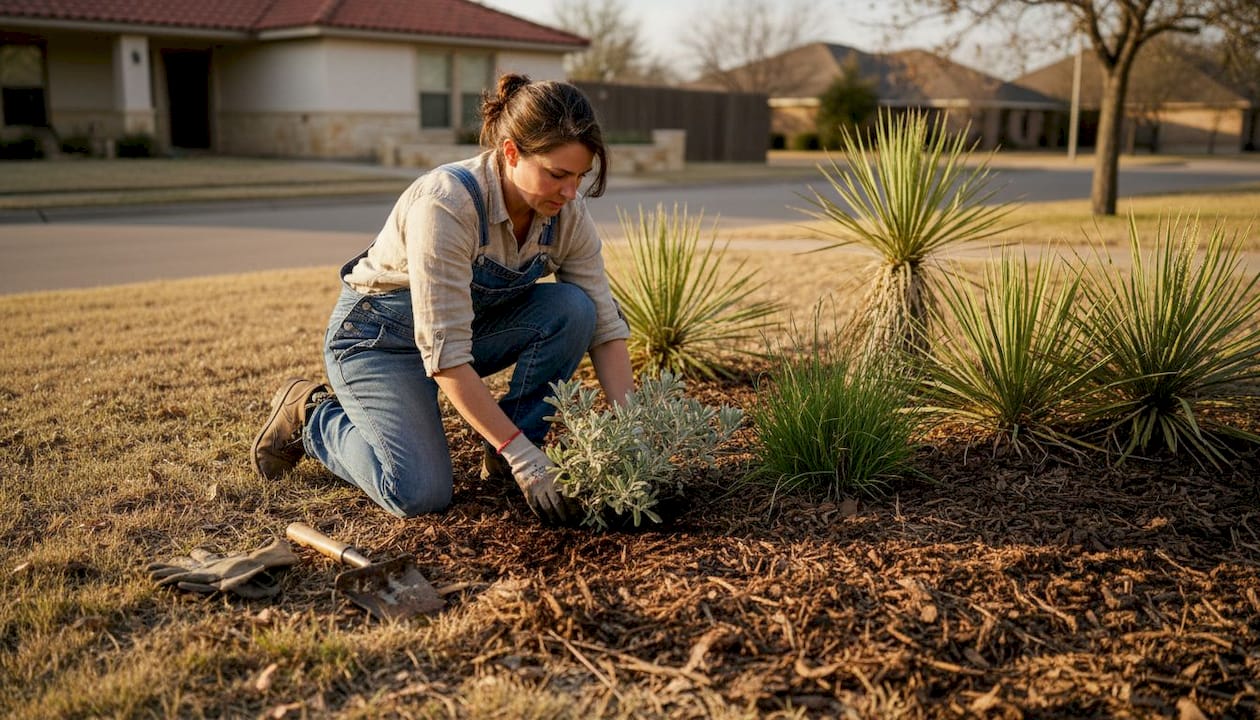
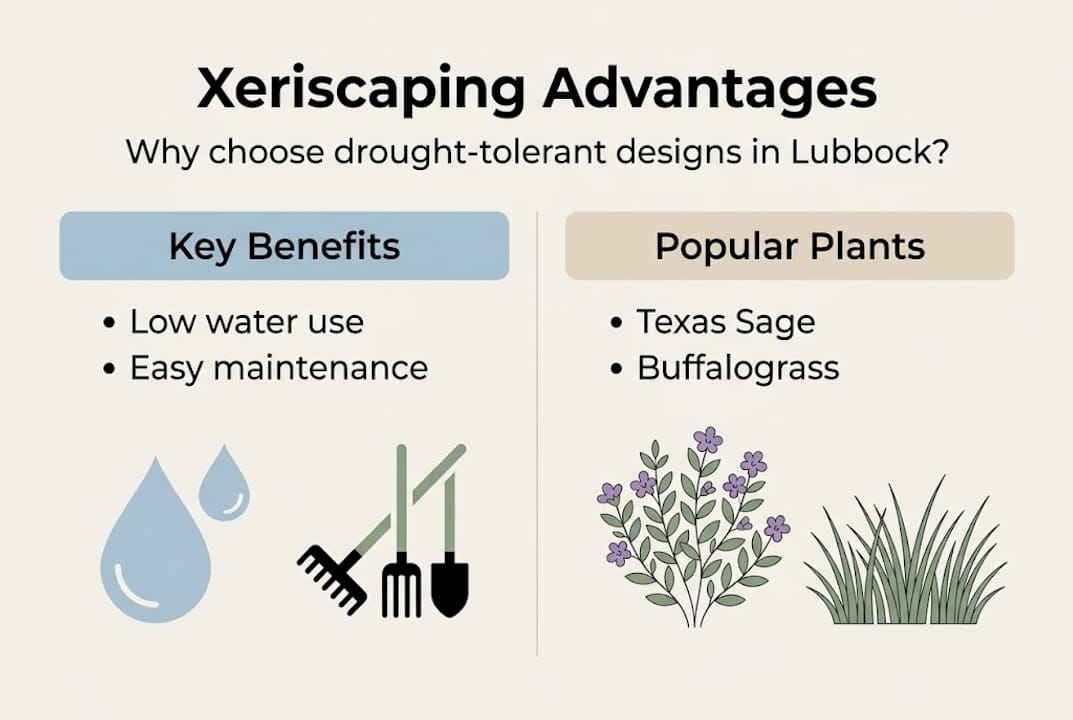
Native and adaptive plants like Texas Sage, Yucca, Buffalograss, Desert Willow, and Cedar Elm are resilient, require less maintenance, and conserve water naturally. They've adapted to Lubbock's alkaline soil and temperature swings over generations. You won't be fighting the environment every season.
Native plants vs. traditional landscaping materials
| Factor | Native/adaptive plants | Traditional turf and plants |
|---|---|---|
| Water use | Low, 30%+ less than turf | High, requires regular irrigation |
| Maintenance cost | Low after establishment | Ongoing mowing, feeding, treatment |
| Weed pressure | Naturally competitive | High without chemical control |
| Pest resistance | Strong in local conditions | Moderate, may need pesticides |
| Long-term durability | Excellent | Prone to drought stress |
Designs built around native plants can cut water use and landscaping costs by over 30% compared to traditional turf-heavy setups. That matters a lot in West Texas, where summer water bills spike hard. You can find eco-friendly lawn care tips that align with this low-water approach.
Beyond plants, your material choices make a big difference in long-term results. Here are the top options that work well in Lubbock:
- Decomposed granite or crushed rock: Excellent for paths and plant beds, drains well, and stays cool underfoot.
- Organic mulch: Retains soil moisture, moderates root temperature, and breaks down to feed plants.
- Compost-amended soil: Improves Lubbock's naturally lean soil and supports plant establishment.
- Concrete or flagstone: Durable patio and path material that handles heat without cracking.
Xeriscaping, which is a design approach centered on drought-tolerant plants and minimal irrigation, is the fastest-growing trend in Lubbock landscaping. It's not just about saving water. Done right, xeriscaped properties look stunning year-round without the seasonal die-off that plagues traditional grass lawns during summer heat.
Pro Tip: Group plants by water need, a practice called hydrozoning. This keeps high-water plants close to irrigation sources and lets your native beds thrive without overwatering.
The step-by-step process to planning city landscaping services
A great landscape doesn't just happen. It follows a structured process that keeps the project on time, on budget, and compliant with local requirements. Here's how a professional planning workflow typically looks:
- Site walkthrough: Walk the full property and photograph existing conditions, drainage patterns, sun exposure, and problem areas.
- Wish list and priorities: Write down every goal, even the big ones. Rank them by importance so decisions stay focused when trade-offs come up.
- Concept sketches: A rough layout showing plant zones, hardscape areas, irrigation runs, and traffic flow helps everyone get on the same page.
- Material selection: Choose plants, ground cover, edging, and hardscape materials that match your goals, budget, and climate needs.
- Budget and pricing: Get itemized estimates. Know what's included: labor, materials, soil prep, and removal of existing plants if needed.
- Permit and approval check: Some Lubbock projects require city permits for fencing, irrigation systems, or retaining walls. HOA approvals may also apply.
- Timeline and phasing: Larger projects often roll out in phases. Know your start date, milestone checkpoints, and expected completion.
- Installation and walkthrough: Professional crews handle installation, and a final walkthrough confirms everything matches the plan.
Landscaping professionals follow this multi-step process to keep projects from going sideways. Skipping steps, especially the permit check or site assessment, creates expensive problems later. You can also learn how to streamline landscaping workflow if you're managing multiple properties.
Pro Tip: Before any digging starts, document your property boundaries and have utility lines marked. Lubbock's 811 call-before-you-dig service is free and protects you from liability.
Regulatory and safety compliance isn't optional. Unpermitted structures, improper grading, or irrigation systems that violate city codes can result in fines, forced removal, and delays that cost far more than the permit would have.
Maximizing ROI and curb appeal with professional help
Hiring a professional landscaper isn't just about getting a nicer yard. It's a financial decision backed by real data. Homes with professional landscaping sell for 5.5 to 12.7% more and spend 20% less time on the market. That's a meaningful return on what most people spend on a landscaping project.
Professional input also eliminates the guesswork that makes DIY projects go wrong. Poor plant placement, incorrect grading, and drainage mistakes are the three most common problems that end up costing property owners twice. A skilled contractor catches those issues at the design stage, not after installation.
Here are the most common mistakes that professional landscapers prevent:
- Wrong plant choice for the zone: Exotic or non-adapted species look great at the nursery and fail within a season.
- Drainage errors: Water that pools near foundations or sidewalks causes structural and safety problems.
- Code non-compliance: Plants or structures that violate HOA or city codes require removal at your expense.
- Overcrowding: Plants placed too close together compete for water and nutrients, shortening their lifespan.
- Skipping soil prep: Installing plants in unprepared Lubbock soil is one of the biggest causes of early plant loss.
Understanding how landscaping connects to lawn care and property value helps you see the full financial picture. If your yard has been neglected or needs a reset, lawn restoration benefits are worth reviewing before you start any new planting.
Pro Tip: Schedule seasonal checkups in spring and fall. Catching irrigation issues, dead patches, or weed pressure early keeps your landscape in top shape year-round and protects the value you've built. A solid landscape maintenance guide can help you set a realistic care schedule.
Why drought-first, native designs are the smartest investment in Lubbock
Here's an uncomfortable truth most landscaping guides won't say directly: traditional turf lawns are a bad investment in Lubbock. They look great for a few weeks in spring, then struggle through summer heat, drain your water budget, and need constant chemical support to stay green. The math doesn't work here.
We've seen property after property in this area spend more on maintaining a struggling lawn than they would have spent installing a native, drought-first design from the start. The rework costs alone, replacing dead turf, fixing irrigation overruns, treating persistent weeds, are avoidable.
At least 90% of landscape designs in the Lubbock area should be drought-compliant or xeriscaped, according to regional experts. That's not a restriction. That's a design opportunity. Native-centric landscapes consistently outperform imported species in cost, resilience, and visual ratings over a three to five year window.
"90% of future-ready landscapes will be drought-compliant."
The shift in mindset matters too. When you stop fighting Lubbock's climate and start designing with it, everything gets easier. Lower bills, less rework, and a yard that looks intentional rather than like it's barely surviving. Explore Lubbock landscape service insights if you're ready to see what a forward-thinking design can look like for your specific property.
Enhance your property with trusted Lubbock landscaping experts
If you've been putting off a landscaping upgrade because you weren't sure where to start, now you have a clear roadmap. The right plan, the right plants, and the right team make all the difference between a yard that drains your time and one that adds genuine value to your property.
Only Mow is Lubbock's trusted local lawn care and landscaping service, and the official vendor for the City of Lubbock. From consultations and flower planting to full yard restoration and pre-emergent weed control, we handle every stage of the process. Visit Only Mow to schedule your service or request a quote. If you're interested in long-term support, check out our contractor and franchisee options for ongoing partnership opportunities in the Lubbock area.
Frequently asked questions
What are the best low-maintenance plants for Lubbock landscaping?
[Texas Sage, Yucca, Buffalograss](https://agrilifeextension.tamu.edu/asset-extern al/xeriscape-landscape-water-conservation/), Desert Willow, and Cedar Elm thrive in Lubbock's climate with minimal water and care, making them ideal first choices for any property owner looking to reduce maintenance.
How much does professional landscaping increase home value?
Homes with professional landscaping can sell for 5.5 to 12.7% more than comparable properties without it, and they typically spend about 20% less time on the market.
What is xeriscaping and why is it important in Lubbock?
Xeriscaping uses drought-tolerant and native plant designs to cut water use and maintenance costs significantly, which makes it especially practical in Lubbock's semi-arid West Texas climate.
How do I choose between professional and DIY landscaping?
Professional services offer design expertise, proper plant selection, and permit handling that prevent costly mistakes, while DIY may work for small, straightforward projects where budget is the primary concern.