TL;DR:
- Poor soil health, compaction, and drainage issues necessitate full lawn restoration in Lubbock.
- Persistent weeds, dead patches, and improper soil conditions indicate DIY fixes are unlikely to succeed.
- Professional services focus on soil testing, aeration, and native grass selection for long-term lawn recovery.
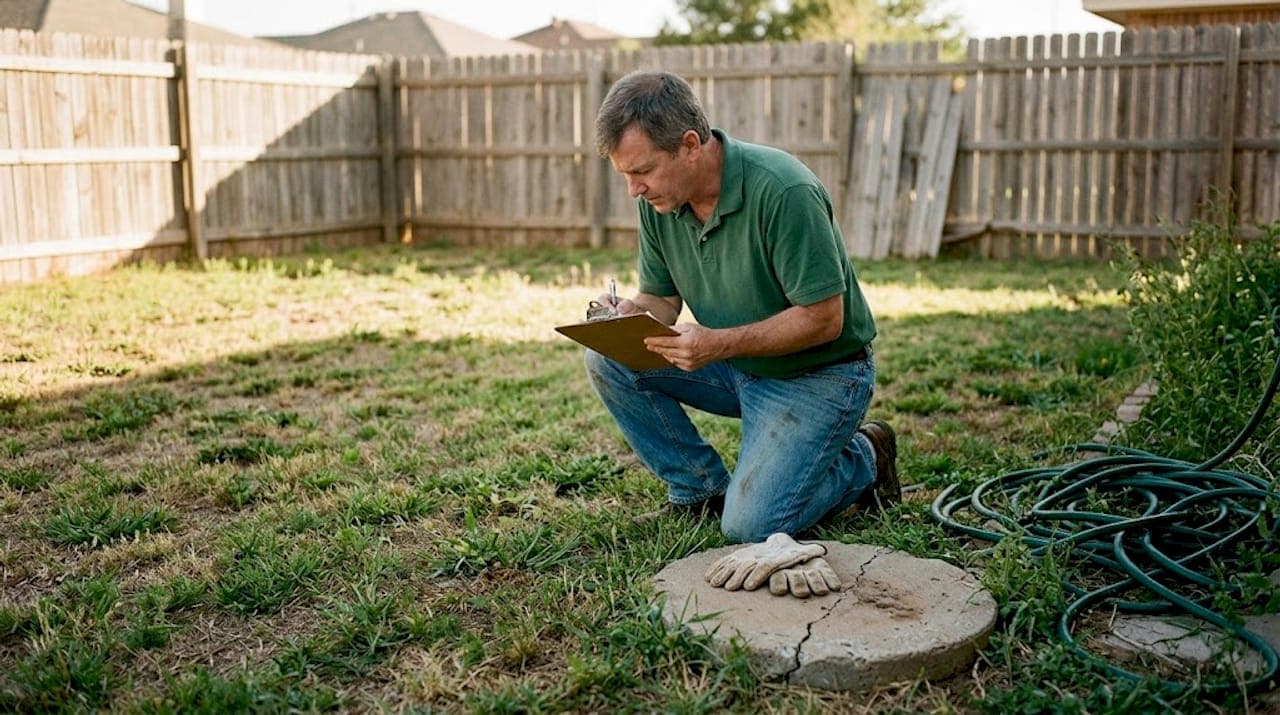
Your Lubbock lawn might look rough every summer, and that's normal. But some signs go beyond seasonal stress and point to something deeper that mowing and fertilizing simply won't fix. Many homeowners spend months trying the same quick fixes, only to watch bare patches grow and weeds take over. Knowing the difference between a lawn that needs a little attention and one that needs full restoration can save you time, money, and real frustration. This guide walks you through the clear criteria experts use, the local factors that shape every decision in Lubbock, and what your best next step looks like.
Table of Contents
- Key criteria: How to tell if your lawn needs full restoration
- Top signs your lawn can't recover with DIY fixes
- How Lubbock's climate and soil impact restoration decisions
- DIY vs. professional restoration: What's best for persistent lawn problems?
- Why most Lubbock lawns fail: Hard truths and proven strategies
- Ready to restore your Lubbock lawn? How Only Mow can help
- Frequently asked questions
Key Takeaways
| Point | Details |
|---|---|
| Measure before you repair | If over 40% of your lawn is bare or weedy, it's time for restoration, not just patch fixes. |
| Soil issues are common | Persistent patchiness usually indicates underlying soil problems, especially in Lubbock's clay soils. |
| Local climate matters | Lubbock's weather and soils require timing and techniques that differ from other regions. |
| Know when to call pros | Severe, recurring problems often require professional soil prep and turf renewal for long-term results. |
Key criteria: How to tell if your lawn needs full restoration
Not every struggling lawn needs to be torn out and started over. The key is knowing where your yard falls on the damage scale. Experts use a straightforward benchmark to make that call.
When more than 40 to 50% of your lawn is bare or dominated by weeds, spot repair stops being practical. At that point, full renovation, including sod installation or sprigging after proper soil preparation, delivers far better results than patching. If damage covers less than that, targeted overseeding and aeration can still work.
Beyond the percentage rule, certain persistent problems signal deep issues that surface treatments can't reach. Bare patches that keep coming back after reseeding are a strong indicator of underlying soil compaction or drainage failure, both of which are common in Lubbock's clay-heavy soils. Water pooling after rain, soil that feels rock-hard underfoot, and grass that thins out year after year despite care all point in the same direction.
Here are the warning signs that consistently signal full restoration is needed:
- Widespread weeds covering large sections of the yard
- Compacted clay soil that resists water penetration
- Bare areas that return season after season despite reseeding
- Persistent drainage problems causing standing water
- Repeated failure of fertilizer and overseeding treatments
"A lawn that fails to respond to standard care over multiple seasons is rarely a surface problem. It almost always traces back to soil structure, drainage, or compaction that must be addressed before any seed or sod will thrive."
If you want to prioritize lawn restoration and avoid wasting another season, getting a professional turf assessment early is the smartest move you can make.
Pro Tip: When you're unsure whether your lawn qualifies for spot repair or full renovation, a local turf professional can walk your yard and give you a clear, honest answer in under an hour.
Top signs your lawn can't recover with DIY fixes
Once you've grasped the criteria for full restoration, it's critical to recognize the actual signs on your own lawn. Some of these are easy to spot. Others are subtle enough that homeowners mistake them for normal seasonal stress.
The most obvious signal is large dead areas that don't green up in spring. If you're seeing consistent dead zones in the same spots every year, that's not drought stress. That's a structural problem. Widespread weed takeover is another clear sign. When weeds outpace your grass by a wide margin, the turf has already lost its competitive edge and won't recover through fertilizing alone.
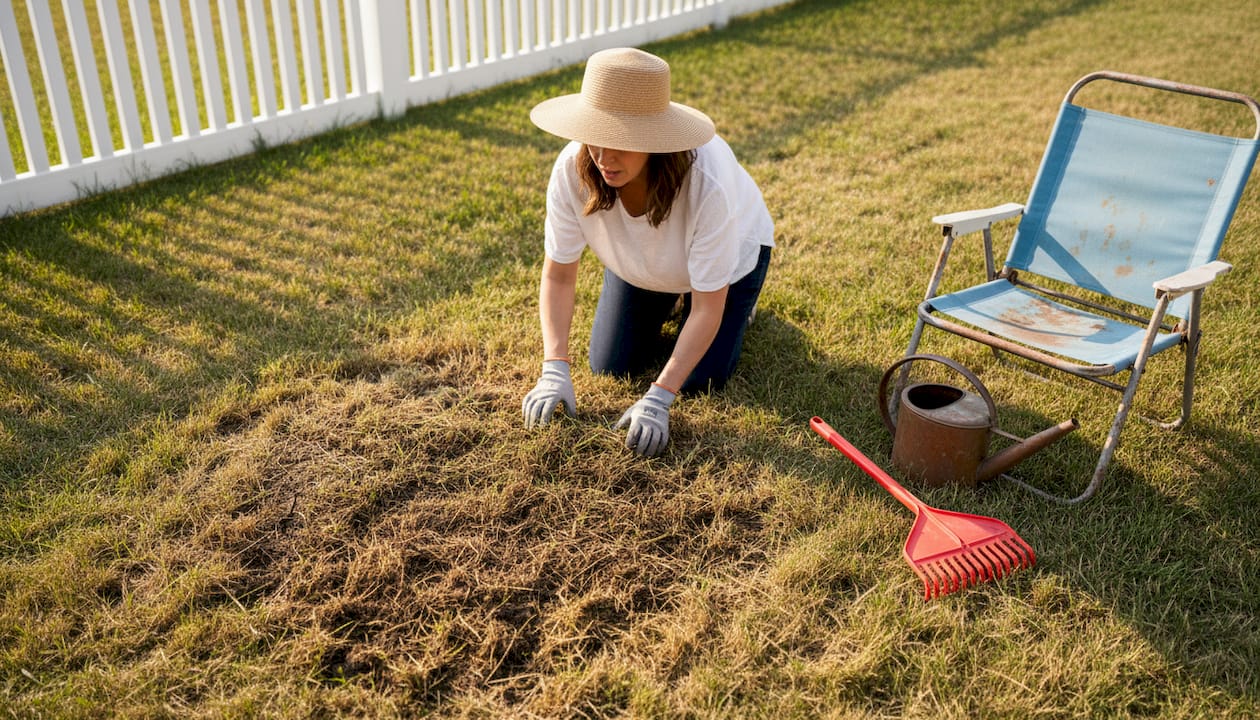
Common fixes like overseeding and fertilizing fail in these situations because they treat the grass, not the ground beneath it. If the soil is compacted or draining poorly, new seed simply won't establish. You're essentially planting into a surface that rejects growth.
Watch for these additional red flags:
- Heavy thatch buildup (over half an inch thick) blocking water and nutrients
- Recurring pest or disease problems that return every season
- Water running off the lawn instead of soaking in after irrigation
- Soil that cracks visibly during dry spells
"Testing your soil before any restoration effort is non-negotiable. Without knowing your pH, compaction level, and nutrient profile, you're guessing. And guessing in Lubbock's clay soil almost always leads to wasted money."
If you want a structured plan to evaluate where your yard stands right now, the Lubbock lawn care checklist for 2026 is a solid starting point. It walks through the exact conditions to look for before committing to any treatment.
The bottom line is this: if your lawn has been struggling for more than one full growing season despite consistent care, DIY fixes are unlikely to turn things around.
How Lubbock's climate and soil impact restoration decisions
Understanding the symptoms is important, but Lubbock's climate and soil bring unique factors into every restoration decision. What works in Houston or Dallas often fails here because the conditions are genuinely different.
Lubbock sits on the South Plains with clay-heavy soils, intense summer heat, and unpredictable rainfall. Clay compacts easily, drains poorly, and makes it hard for grass roots to penetrate deeply. Add drought cycles and high wind, and you have conditions that stress even well-established turf. Restoration here requires more than just throwing down seed.
Core aeration and soil testing through the AgriLife Extension for pH and nutrient levels are foundational steps in any Lubbock restoration. Deep, infrequent watering of about one inch every two to four weeks encourages roots to grow downward rather than staying shallow and vulnerable.
| Factor | Effect on restoration |
|---|---|
| Clay soil | Compacts easily, limits root depth and drainage |
| Summer heat | Stresses cool-season grasses, favors warm-season types |
| Drought cycles | Demands deep watering strategy, not frequent shallow watering |
| Wind and low humidity | Accelerates moisture loss from soil and turf |
| Seasonal temperature swings | Affects seeding windows and establishment rates |
For grass selection, warm-season varieties perform best in Lubbock's conditions:
- Bermudagrass: Drought-tolerant, heat-loving, ideal for full-sun yards
- Buffalograss: Native to the region, low water needs, great for lower-maintenance lawns
- Zoysiagrass: Slower to establish but handles heat and moderate drought well
Timing matters enormously. Late spring and early fall offer the best windows for seeding or sodding because soil temperatures support germination without the extreme heat stress of midsummer.
Pro Tip: Get a soil test before you buy a single bag of seed or fertilizer. Lubbock's clay soils often have pH imbalances that block nutrient uptake, meaning fertilizer you apply simply won't work until the pH is corrected. For more on feeding your lawn correctly, the Lubbock fertilizing tips guide covers exactly what to apply and when.
DIY vs. professional restoration: What's best for persistent lawn problems?
With local factors in mind, the next decision is whether to tackle your restoration yourself or turn to a Lubbock specialist. Both paths have merit, but they're not equally suited to every situation.
| Factor | DIY restoration | Professional restoration |
|---|---|---|
| Upfront cost | Lower | Higher |
| Equipment needed | Rented aerator, spreader | Full commercial equipment |
| Time investment | High (weekends over months) | Low (pros handle it) |
| Risk of error | Higher without soil knowledge | Lower with expert guidance |
| Long-term success rate | Variable | Consistently higher |
If you decide to go the DIY route, here's the realistic sequence:
- Test your soil for pH, compaction, and nutrient levels
- Address drainage issues before any seeding or sodding
- Aerate the lawn thoroughly to break up compaction
- Apply amendments based on your soil test results
- Seed or sod during the correct seasonal window
- Water deeply and infrequently to encourage root depth
For professional restoration, the process is similar but more precise. Pros use verticutting equipment, commercial-grade topdressing, and have the experience to read your specific soil conditions accurately.
The honest truth is that AgriLife research consistently emphasizes proper soil preparation and establishment timing over quick fixes. Homeowners who skip soil prep and go straight to seeding rarely see lasting results, regardless of how much effort they put in.
For lawns with less than 40% damage, a confident DIYer with the right tools can absolutely succeed. For anything more severe, or for lawns that have already failed multiple DIY attempts, the smarter investment is professional help. Explore your choosing lawn services options to understand what local providers offer. You can also compare lawn service alternatives to find the right fit for your budget and goals.
Why most Lubbock lawns fail: Hard truths and proven strategies
Having weighed your options, here's a perspective that most lawn care articles skip entirely. The number one reason Lubbock lawns never fully recover isn't drought, weeds, or even pests. It's that homeowners treat the grass when the real problem is the ground it's growing in.
Conventional wisdom says fertilize more, water more, overseed in fall. That advice works fine for a lawn with healthy soil structure. In Lubbock's clay, it often makes things worse. Fertilizing compacted soil pushes surface growth without fixing the root environment. You end up with grass that looks okay for a few weeks and then crashes again.
What actually works is committing to soil health first. Aerate before you seed. Test before you fertilize. Choose grass varieties that are native or adapted to West Texas conditions rather than what looks good at the garden center. Bermudagrass and Buffalograss aren't just suggestions. They're the varieties that survive here long-term.
The Lubbock lawn experts who see the most successful restorations share one thing in common: they start underground and work their way up. Seasonal timing and native grass selection aren't optional extras. They're the foundation everything else depends on.
Ready to restore your Lubbock lawn? How Only Mow can help
If the signs in this guide sound familiar, you don't have to figure out the next step alone. Only Mow is Lubbock's trusted local lawn care provider and the official vendor for the City of Lubbock, with hands-on experience diagnosing and restoring exactly the kinds of problems described here.
From soil assessment and aeration to full yard restoration and ongoing maintenance, the team at Only Mow's Lubbock services is ready to put a real plan together for your property. Browse the full range of lawn maintenance options or connect with a local lawn specialist to get started. The sooner you address the root causes, the sooner your yard becomes the curb appeal asset it should be.
Frequently asked questions
How do I know if my lawn needs full renovation versus spot repairs?
If more than 40% of your lawn is bare or weed-dominated, full renovation is the recommended path. Smaller, isolated patches usually respond well to targeted overseeding and aeration.
Why does my Lubbock lawn stay patchy after reseeding and fertilizing?
Persistent bare spots almost always point to soil compaction or drainage problems beneath the surface, not a lack of nutrients. In Lubbock's clay soils, new seed won't establish until those underlying issues are corrected.
When is the best time to restore my lawn in Lubbock?
Late spring and early fall are the most effective windows for Bermuda and Buffalograss seeding in Lubbock, when soil temperatures support germination and heat stress is lower.
What services do professionals offer for lawn restoration in Lubbock?
Professional restoration typically includes core aeration, verticutting, topdressing, reseeding, and soil preparation, all designed to build deeper root health and longer-lasting results than surface treatments alone.