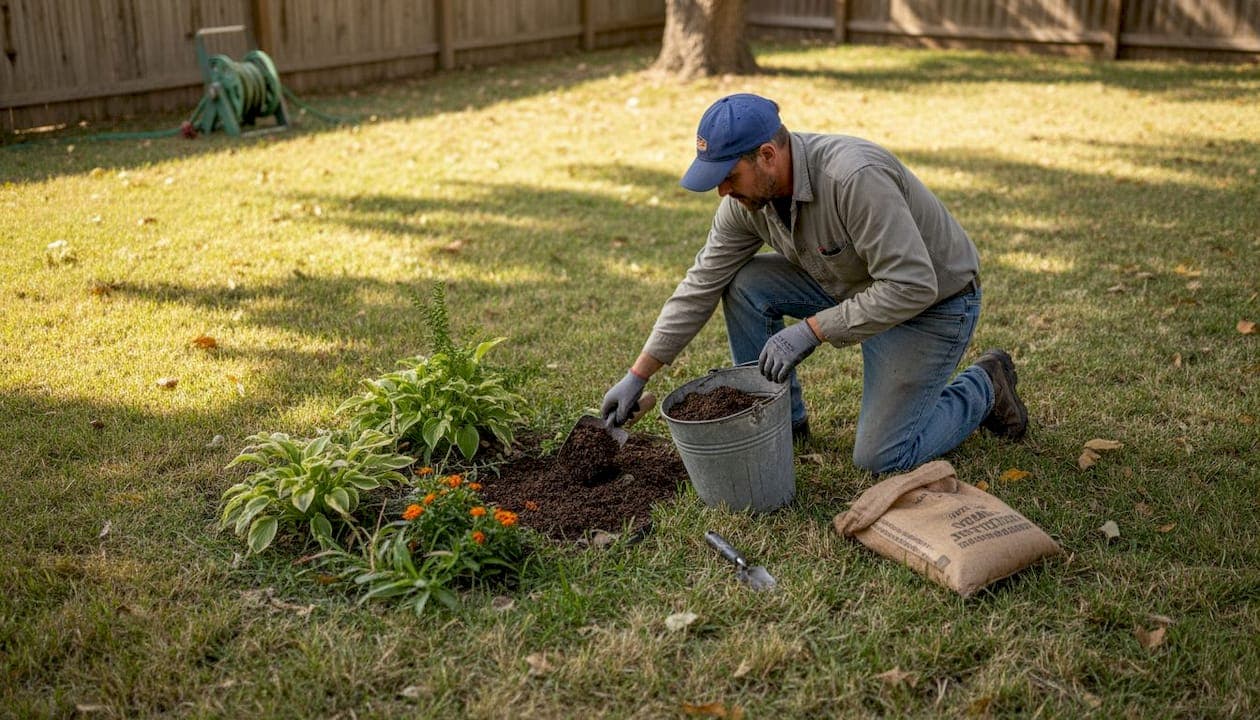
Many homeowners believe synthetic chemicals are essential for a lush, green lawn. This misconception keeps yards dependent on products that can harm soil health and local water sources. Organic lawn care offers a healthier alternative by working with nature rather than against it. For Lubbock residents facing arid conditions and alkaline soils, organic methods build resilience while reducing environmental impact. This guide explains what organic lawn care involves, why it matters in West Texas, and how you can transition your lawn to sustainable practices that save money and protect the High Plains ecosystem.
Table of Contents
- Key Takeaways
- Understanding organic lawn care: principles and core techniques
- Why organic lawn care matters in Lubbock's climate and local soil conditions
- Practical steps and considerations to transition to organic lawn care
- Maintenance tips for sustaining a healthy organic lawn year-round in Lubbock
- Discover professional organic lawn care services in Lubbock
- Frequently asked questions
Key Takeaways
| Point | Details |
|---|---|
| Soil health focus | Organic lawn care avoids synthetic pesticides and fertilizers by prioritizing soil health to build a resilient lawn. |
| Drought and water savings | In Lubbock's arid climate organic methods improve soil structure and water retention, reducing irrigation needs and lowering bills. |
| Core practices | Core practices include composting, mowing at three to four inches, leaving clippings, overseeding, and natural pest control. |
| Annual soil testing | Regular soil testing helps tailor organic amendments to local issues such as alkalinity. |
Understanding organic lawn care: principles and core techniques
Organic lawn care represents a fundamental shift in how you approach yard maintenance. Rather than forcing rapid grass growth with synthetic inputs, this method nurtures the soil ecosystem that supports healthy turf naturally. The practice emphasizes building a living, breathing foundation beneath your grass rather than treating symptoms with quick chemical fixes.
At its core, organic lawn management is the practice of maintaining lawns using natural methods without synthetic pesticides or artificial fertilizers, focusing on soil health through compost, proper mowing, and natural pest control. This approach recognizes that healthy soil creates healthy grass, which naturally resists pests and disease without chemical intervention. When you feed the soil instead of just the grass blades, you create a self-sustaining system that becomes more resilient over time.
Several core techniques form the foundation of organic lawn care:
- Apply compost or compost tea twice yearly to introduce beneficial microorganisms and organic matter that improve soil structure
- Mow grass to 3 to 4 inches height, which encourages deeper root growth and shades out weeds naturally
- Leave grass clippings on the lawn as natural fertilizer, returning nitrogen and nutrients to the soil
- Fertilize in fall with organic products like bone meal or fish emulsion when grass actively stores nutrients for winter
- Overseed in cooler months to fill bare patches and increase turf density without chemical stimulants
- Use natural pest control methods such as beneficial insects, neem oil, or manual removal instead of synthetic pesticides
These techniques work together synergistically. Taller grass develops deeper roots that access water and nutrients more efficiently. Clippings decompose quickly, feeding soil microbes that break down organic matter into plant-available nutrients. When choosing lawn services in Lubbock, look for providers who understand these interconnected principles rather than those who rely solely on chemical applications.
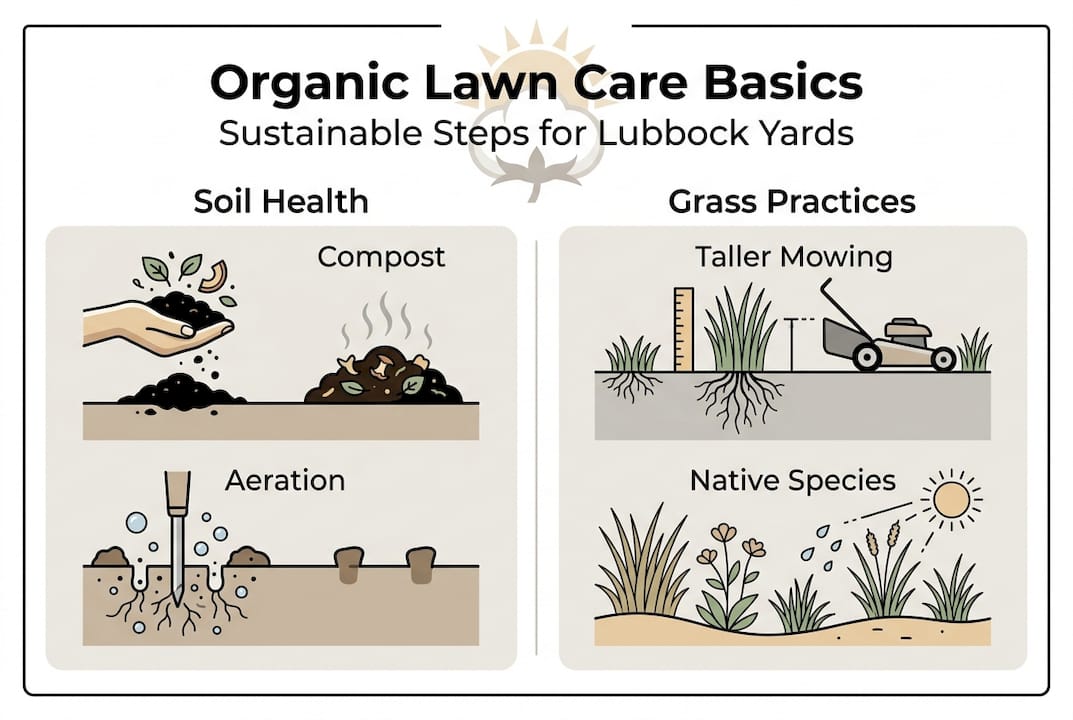
Pro Tip: Regularly aerate your lawn each spring to improve soil oxygen levels and encourage microbial activity. Core aeration creates channels for air, water, and nutrients to penetrate compacted soil, dramatically improving the effectiveness of organic amendments.
Why organic lawn care matters in Lubbock's climate and local soil conditions
Lubbock's unique environmental conditions make organic lawn care particularly valuable for local homeowners. The region's arid climate, with average annual rainfall around 19 inches, demands water-efficient landscaping strategies. Organic methods directly address this challenge by improving soil structure and water retention capacity.
When you build soil organic matter through composting and natural amendments, you increase the soil's ability to hold moisture between watering sessions. Each percentage point increase in organic matter allows soil to retain approximately 20,000 additional gallons of water per acre. For Lubbock homeowners, this translates to less frequent irrigation and lower water bills while maintaining healthy turf.
Native and drought-tolerant grass varieties complement organic care practices perfectly. Buffalo grass and blue grama, both native to the High Plains, thrive with minimal water once established. These grasses evolved to survive Lubbock's climate naturally, requiring far less intervention than non-native varieties. When you combine adapted grass species with organic soil building, you create a lawn that works with local conditions rather than fighting them.
Reducing chemical pesticide and fertilizer applications protects the Ogallala Aquifer, which supplies 95% of Lubbock's water. Chemical runoff from lawns eventually reaches groundwater, contaminating the very resource that makes life in West Texas possible. Organic methods eliminate this pollution source while maintaining attractive, functional landscapes.
The long-term benefits extend beyond water conservation:
- Improved soil biodiversity creates a complex ecosystem of beneficial bacteria, fungi, and microorganisms that naturally suppress disease
- Enhanced resilience under drought and heat stress as deep-rooted grass accesses moisture unavailable to shallow-rooted, chemically dependent turf
- Lower fertilizer costs after the initial transition period, as healthy soil recycles nutrients efficiently
- Safer outdoor spaces for children and pets without pesticide residue concerns
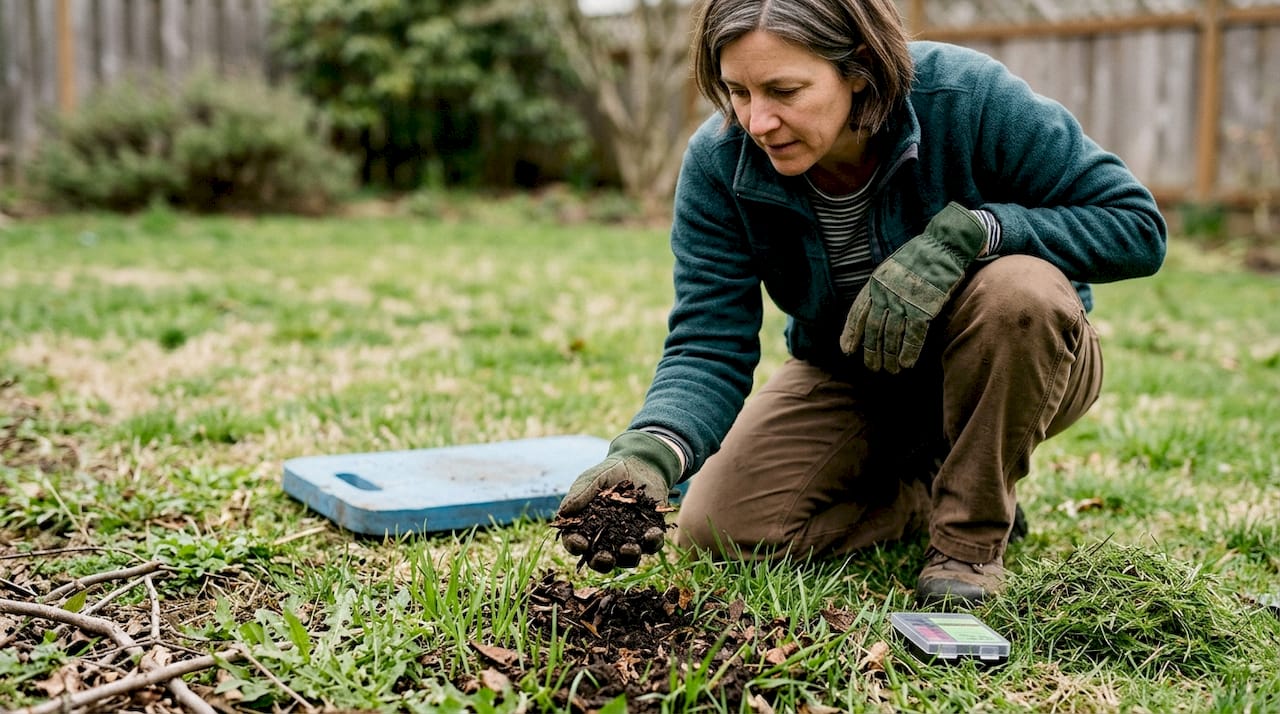
Local soil challenges require specific attention in Lubbock. The region's caliche layer, a cement-like calcium carbonate deposit, creates alkaline conditions with pH levels often exceeding 8.0. Most grass species prefer slightly acidic to neutral soil between 6.0 and 7.0. Monitoring soil pH and organic matter levels through annual testing helps you adjust amendments appropriately. Sulfur-based products can gradually lower pH, while compost additions buffer extreme alkalinity naturally.
"For Lubbock homeowners, organic care enhances sustainability in arid climate by building soil organic matter for water retention, using native low-water grasses, reducing chemical runoff into High Plains aquifers; pros outweigh cons long-term."
This approach aligns perfectly with Lubbock lawn care advantages that protect both property value and environmental health. Sustainable landscaping practices increasingly influence home buyer decisions, making organic lawn care an investment in both ecology and economics.
Practical steps and considerations to transition to organic lawn care
Transitioning to organic lawn care requires a strategic approach rather than an overnight switch. Abruptly stopping all synthetic inputs can shock your lawn, causing temporary decline. A gradual, hybrid approach yields better results while giving soil biology time to develop.
Follow these steps to transition effectively:
- Test your soil through a local extension service or professional lab to establish baseline pH, nutrient levels, and organic matter content
- Aerate compacted areas in spring or fall using a core aerator that removes soil plugs, creating channels for air and water movement
- Apply a half-inch layer of quality compost across the lawn, spreading it evenly and working it into aeration holes
- Reduce synthetic fertilizer applications by 50% in the first season while introducing organic alternatives like compost tea or fish emulsion
- Adjust mowing height to 3 to 4 inches and sharpen mower blades to create clean cuts that heal quickly
- Overseed thin areas with appropriate grass varieties in early fall when soil temperatures favor germination
- Eliminate synthetic pesticides immediately, replacing them with targeted natural controls only when pest pressure exceeds acceptable thresholds
- Phase out remaining synthetic fertilizers in the second season as soil biology strengthens
Patience becomes essential during this transition period. Organic lawn care can be slower initially, around 4 to 8 weeks for growth, with 35% lower initial yields but superior resilience and cost-effectiveness long-term. Your lawn may look less vibrant for the first growing season as grass adjusts from chemical dependency to natural nutrient cycling. This temporary appearance change represents healing rather than decline.
| Factor | Organic Approach | Synthetic Approach |
|---|---|---|
| Initial Cost | Moderate to high | Low to moderate |
| Growth Rate | Slower, steady | Rapid, flush growth |
| Environmental Impact | Minimal runoff, builds soil | Chemical runoff, depletes soil |
| Long-term Resilience | High drought and stress tolerance | Dependent on continued inputs |
| Ongoing Maintenance Cost | Lower after establishment | Consistently higher |
| Soil Health | Improves continuously | Degrades over time |
This comparison illustrates why short-term thinking favors synthetic methods while long-term planning supports organic approaches. The initial investment in compost, aeration, and quality seed pays dividends through reduced water use, lower fertilizer costs, and improved property aesthetics over subsequent years.
Pro Tip: Monitor soil pH and organic matter annually through testing to guide amendments and improve soil health. Track these metrics in a simple spreadsheet to visualize progress and adjust your organic program based on measurable results rather than guesswork.
Understanding realistic expectations helps maintain commitment during the transition. Chemical-dependent lawns have been artificially stimulated, producing excessive top growth at the expense of root development. When you stop forcing this unnatural growth, grass redirects energy toward building the root system that sustains long-term health. Surface appearance may temporarily suffer while underground infrastructure strengthens.
Preparing for organic lawn care involves accepting this natural adjustment period. Communicate with family members about the transition timeline to manage expectations. Within two growing seasons, most homeowners notice their organic lawns match or exceed the appearance of chemically maintained yards while requiring less intervention.
Maintenance tips for sustaining a healthy organic lawn year-round in Lubbock
Once established, organic lawns require consistent but straightforward maintenance aligned with seasonal patterns. Lubbock's climate creates distinct growing periods that dictate optimal timing for various practices.
Fall represents the most critical season for lawn care in West Texas. Cool-season grasses actively grow and store nutrients as temperatures moderate. Apply organic fertilizers like composted manure or alfalfa meal in September or October when grass can efficiently absorb and store nutrients for winter dormancy and spring green-up. This timing proves far more effective than spring fertilization, which can promote weak, excessive growth vulnerable to summer stress.
Fall also provides ideal conditions for overseeding. Soil temperatures remain warm enough for germination while air temperatures cool, reducing moisture stress on emerging seedlings. Spread seed over aerated, composted soil for maximum seed-to-soil contact. Water lightly but frequently until grass establishes, then transition to deeper, less frequent watering.
Mowing practices significantly impact lawn health throughout the growing season:
- Maintain grass height between 3 and 4 inches year-round, adjusting mower deck to the highest setting
- Leave clippings on the lawn as natural mulch that returns nitrogen and organic matter to soil
- Sharpen mower blades every 4 to 6 weeks to ensure clean cuts that minimize disease entry points
- Avoid mowing when grass is wet, which spreads disease and creates uneven cuts
- Never remove more than one-third of grass blade height in a single mowing session
Watering strategies must account for Lubbock's low humidity and high evaporation rates. Deep, infrequent watering encourages root growth while frequent shallow watering creates weak, surface-rooted grass. Apply 1 to 1.5 inches of water weekly during active growth, delivered in one or two sessions rather than daily sprinkling. Water early morning to minimize evaporative loss and reduce disease pressure from prolonged leaf wetness.
Organic lawns typically require 20% to 30% less water than synthetic lawns once established because improved soil structure retains moisture more effectively. Monitor soil moisture 4 to 6 inches deep rather than relying on surface appearance. Grass naturally goes dormant during extreme heat or drought, turning brown but remaining alive. This dormancy represents a survival mechanism, not lawn death.
Pest monitoring replaces scheduled pesticide applications in organic systems. Walk your lawn weekly, looking for unusual patterns, discoloration, or insect activity. Most pest populations remain below damaging thresholds when beneficial insects and soil biology maintain natural balance. When intervention becomes necessary, use targeted natural controls:
- Introduce beneficial nematodes for grub control rather than applying broad-spectrum insecticides
- Spray neem oil on specific problem areas for aphids or other soft-bodied insects
- Apply corn gluten meal in early spring as a natural pre-emergent weed control
- Hand-pull weeds when soil is moist, removing entire root systems
Experts recommend feeding the soil not the grass, with annual soil tests to monitor alkalinity and organic matter; maintaining soil pH 6.5 to 7 and organic matter 5% to 8% supports lawn health. These target ranges provide optimal conditions for nutrient availability and microbial activity. When pH drifts above 7.5, apply elemental sulfur according to test recommendations. When organic matter drops below 5%, increase compost applications.
Pro Tip: Yearly soil tests measuring pH and organic matter guide tailored organic amendments for best lawn health. Schedule testing in late summer or early fall, giving you time to adjust soil conditions before the critical fall fertilization window. Many county extension offices offer affordable testing services with recommendations specific to local conditions.
Consistent attention to these maintenance practices creates a self-reinforcing cycle. Healthy soil grows healthy grass that naturally resists pests and weeds. This resilience reduces intervention requirements over time, making organic lawn care progressively easier. Following a Lubbock lawn care checklist helps ensure you complete seasonal tasks at optimal times for maximum benefit.
Discover professional organic lawn care services in Lubbock
Transitioning to and maintaining an organic lawn requires knowledge, time, and consistent effort that many homeowners struggle to provide. Professional services bridge this gap by bringing expertise and efficiency to sustainable lawn care. Only Mow specializes in Lubbock lawn care and mowing services that align with organic principles while delivering the consistent results homeowners expect.

Our teams understand local soil conditions, native grass varieties, and seasonal timing critical for success in West Texas. We adjust mowing heights appropriately, apply organic amendments at optimal times, and monitor lawn health with trained eyes that catch problems before they become serious. As the official vendor for the City of Lubbock, we demonstrate the reliability and professionalism that makes sustainable lawn care accessible to busy homeowners.
Whether you need regular maintenance or want to become a professional landscaper in Lubbock yourself, our local expertise helps you achieve beautiful, sustainable lawns without the chemical dependency that harms soil and water resources. Consider partnering with experienced professionals who share your commitment to environmental stewardship. You can even become a landscaper with Only Mow and help other homeowners transition to sustainable practices.
Frequently asked questions
What is organic lawn care?
Organic lawn care maintains grass using only natural inputs like compost, organic fertilizers, and biological pest controls while avoiding synthetic chemicals. This approach focuses on building healthy soil that naturally supports vigorous turf growth and pest resistance.
How does organic lawn care differ from traditional chemical approaches?
Traditional methods force rapid grass growth with synthetic fertilizers and suppress problems with pesticides, creating chemical dependency. Organic care builds soil health gradually, developing self-sustaining systems that require less intervention over time while protecting water quality and beneficial organisms.
How long does transitioning from synthetic to organic lawn care take?
Most lawns require one to two full growing seasons to complete the transition. Initial growth may slow by 35% during the first season as grass adjusts from chemical dependency to natural nutrient cycling, but resilience and appearance improve significantly by the second year.
What grass types work best for organic lawns in Lubbock?
Buffalo grass and blue grama, both native to the High Plains, thrive with minimal water and naturally resist local pests. Bermuda grass also performs well under organic management if you can provide adequate irrigation during establishment and summer stress periods.
How can I manage pests naturally in an organic lawn?
Healthy organic lawns rarely experience serious pest problems because balanced soil biology and beneficial insects maintain natural population controls. When intervention becomes necessary, use targeted solutions like beneficial nematodes for grubs, neem oil for insects, or corn gluten meal for weed prevention rather than broad-spectrum chemicals.